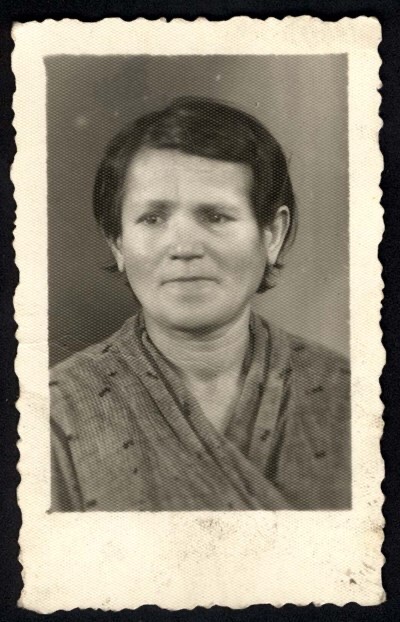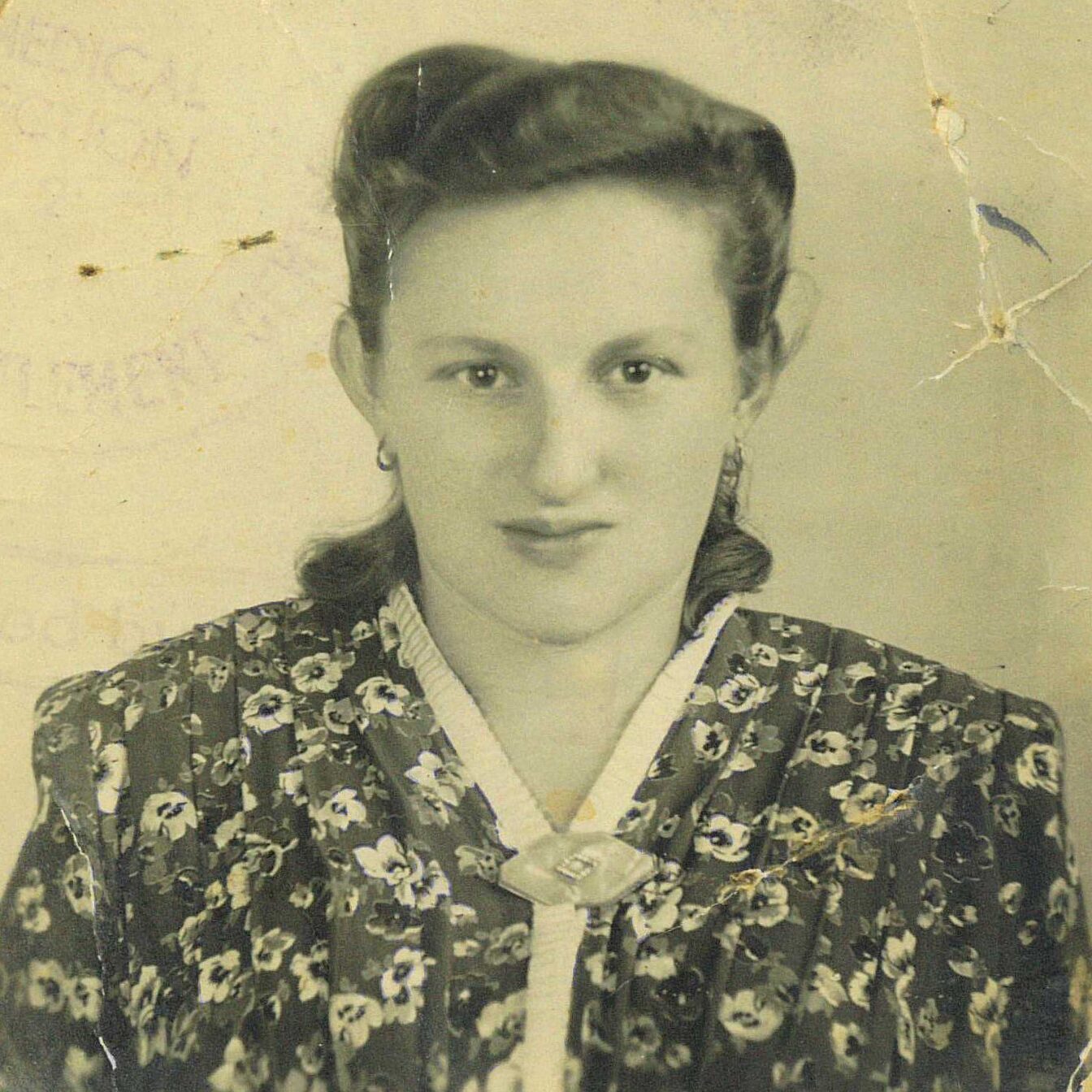
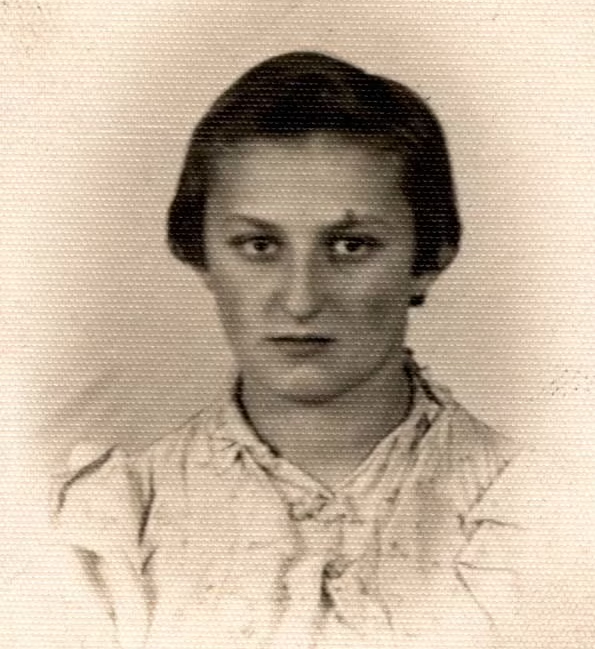
As a young girl, Esther Najmark dreamed of getting an education, getting married, and raising a family in the Jewish faith. Those dreams were shattered when the Nazis invaded her hometown of Będzin, Poland. At the young age of 16, Esther was separated from her family, never to see them again. She endured the trauma of three forced labor facilities that forever transformed her life. She never spoke of her wartime experiences; it was too painful. And so, the story of Esther Najmark Skurko has been extracted from the historical record and combined with the occasional recollections of family members.
When the Nazis invaded Poland, Będzin was one of the first communities to be occupied, and a reign of terror began for its Jewish inhabitants. Jews were randomly shot, their homes and the Great Synagogue were burned, their property was plundered, and Jews were drafted into forced labor.
After enduring several years of this brutality and marginalization, Esther’s family was forced into a sealed ghetto within their own city. Thousands of Jews from surrounding communities were also transferred into the Będzin Ghetto, creating impossible living conditions.
Based on Nazi ideology, German officials exploited the people of Eastern Europe to sustain their war effort. By August 1944, there were over seven million foreign workers, Jews and non-Jews, on employment rolls inside the Third Reich. For the Jewish workers, conditions were extremely harsh. They were at the very bottom of the Nazi racial scale and were given the worst jobs in the most dangerous conditions because they were seen as expendable.
In February 1941, Esther became part of that Jewish labor force. She was sent 250 miles away to the Grünberg I camp in Germany where she worked for Deutsche Wollenwaren Manufaktur (DWM), a private German woolen manufacturer, working 12-hour shifts under intolerable conditions.
April 1943, she was transferred to the Gross–Rosen subcamp of Ludwigsdorf, where the male and female prisoners worked at the Dyanmit AG and Mölke-Werke ammunition factory. The women made ammunition, grenades, and other explosives under extremely dangerous conditions. Depending on the type of gunpower, the dye turned their skin yellow, green, or red. You couldn’t get yourself clean.
In 1944, Esther was transferred to her third and final work camp in Legnica, Poland, from which she was liberated by the Soviet Army. Esther had survived on the hope of reuniting with her family, but when she returned to Będzin, she found no one. By 1946, she made her way to the Poking Displaced Persons (DP) Camp in the US Occupied Zone of Germany near Passau, and her life turned around.
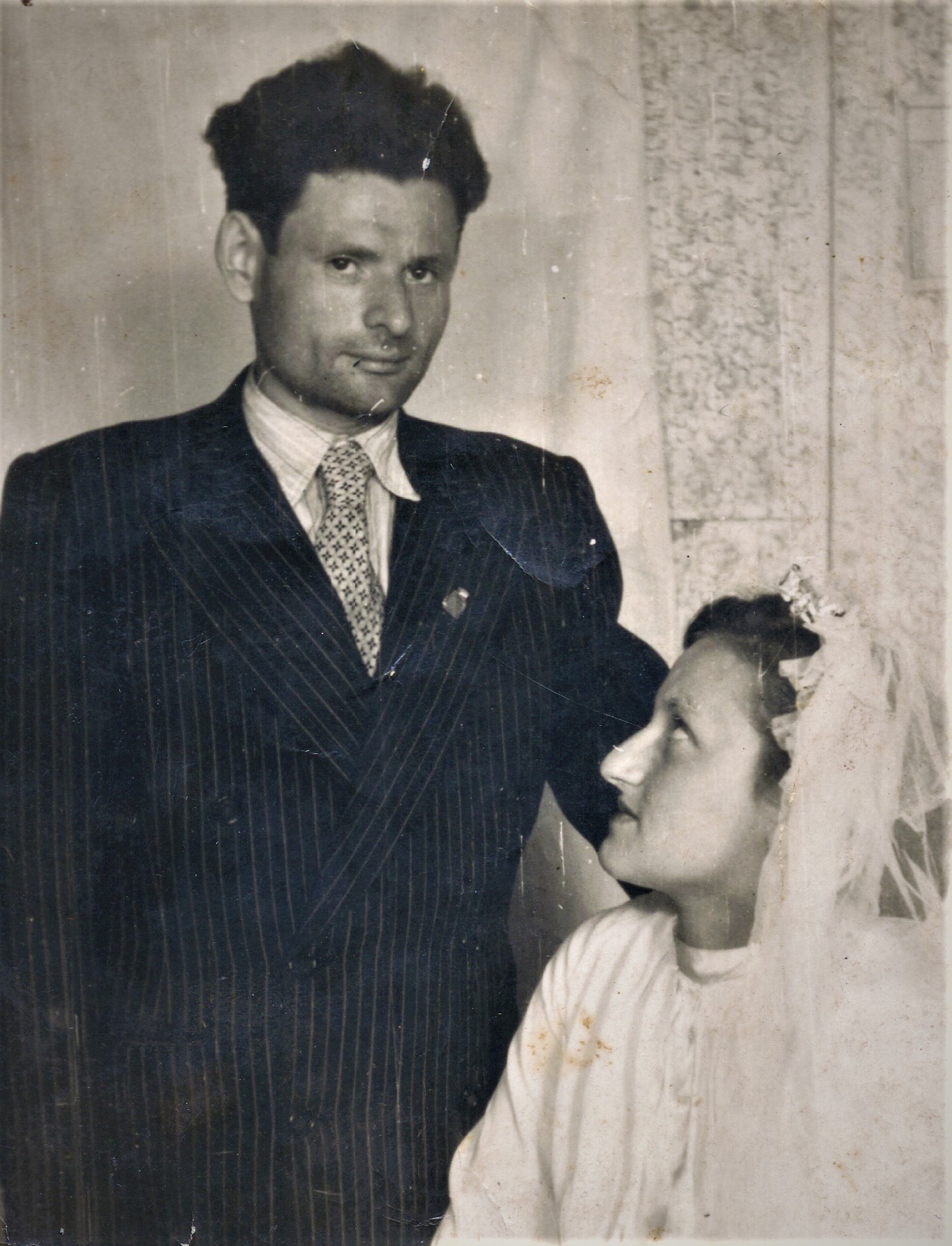
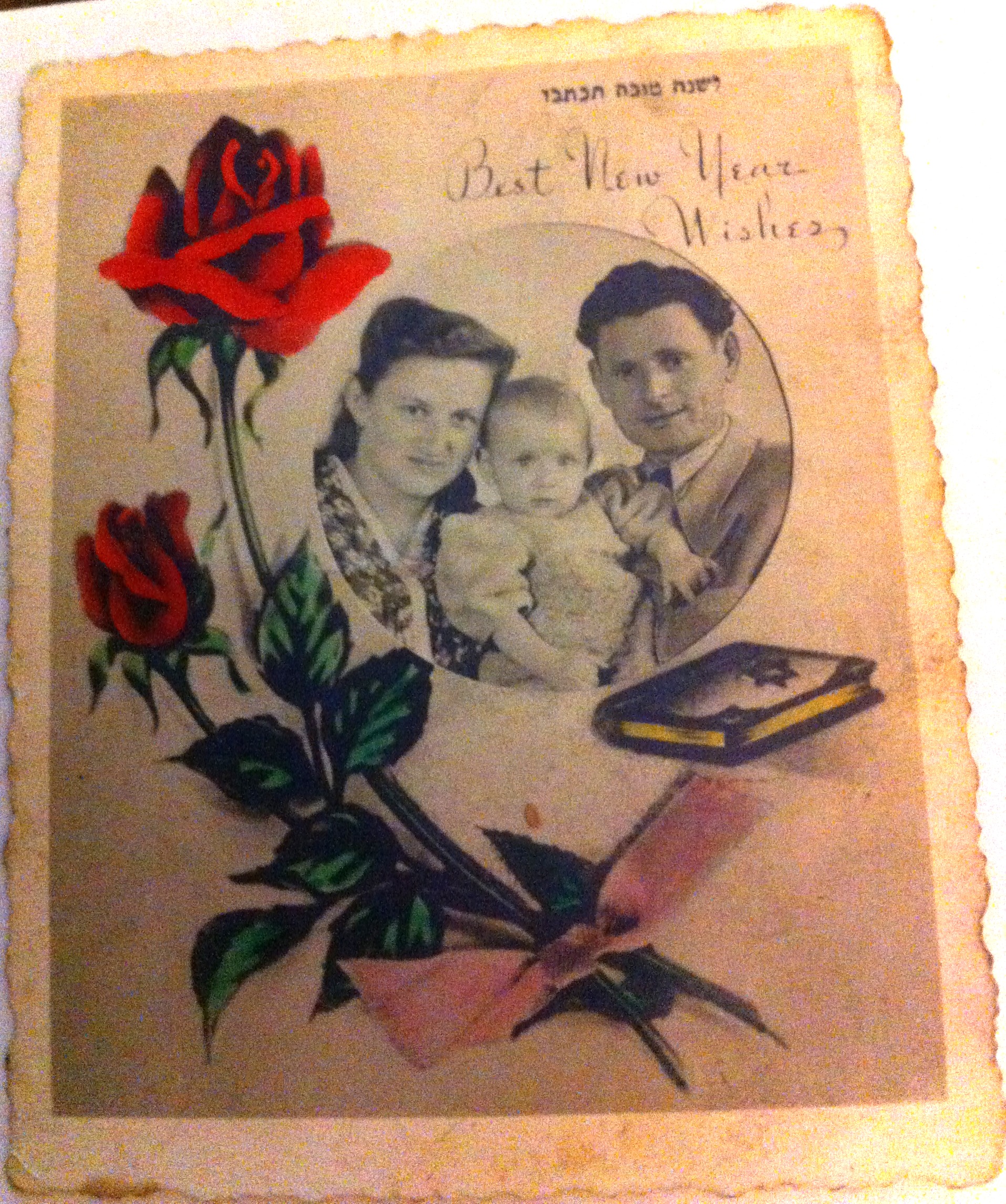
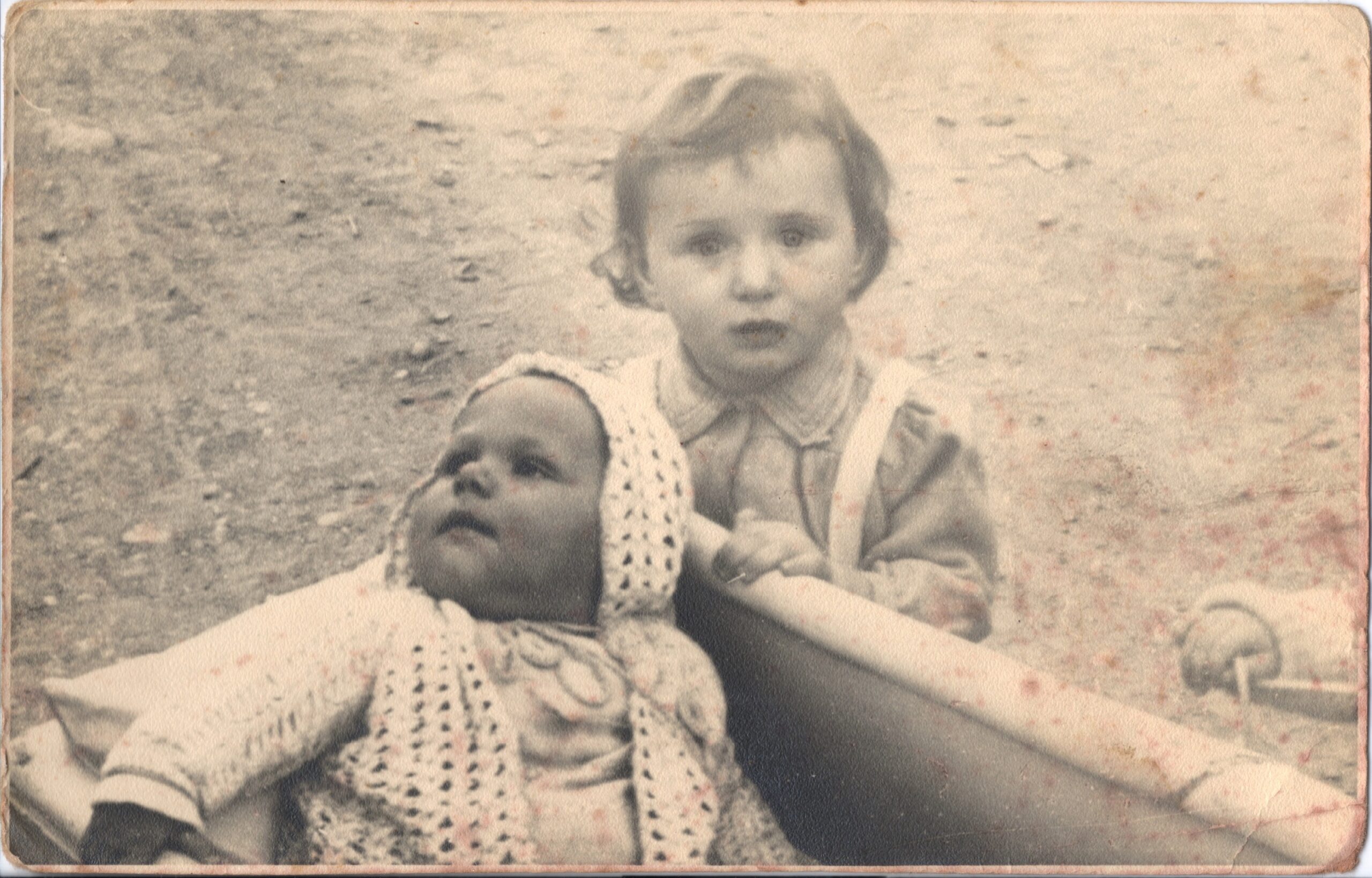
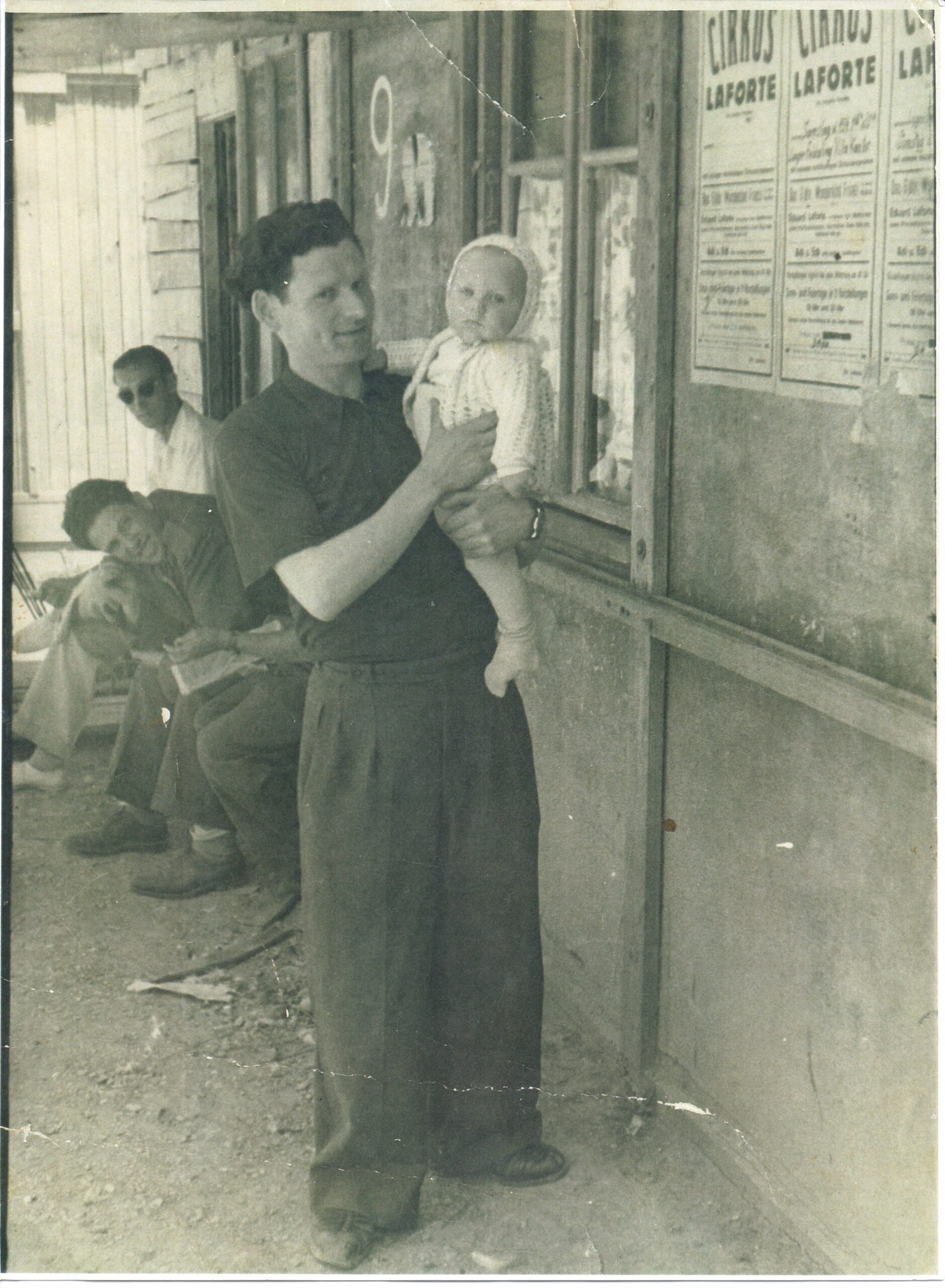
Esther met her future husband, Leon Skurka, another survivor, and they were married in 1947. Their first two children, Chana and Moses, were born in two different DP Camps. Five years later, with the help of the Joint Distribution Committee and sponsorship from the Birmingham Jewish community, the young Skurka family left for America.
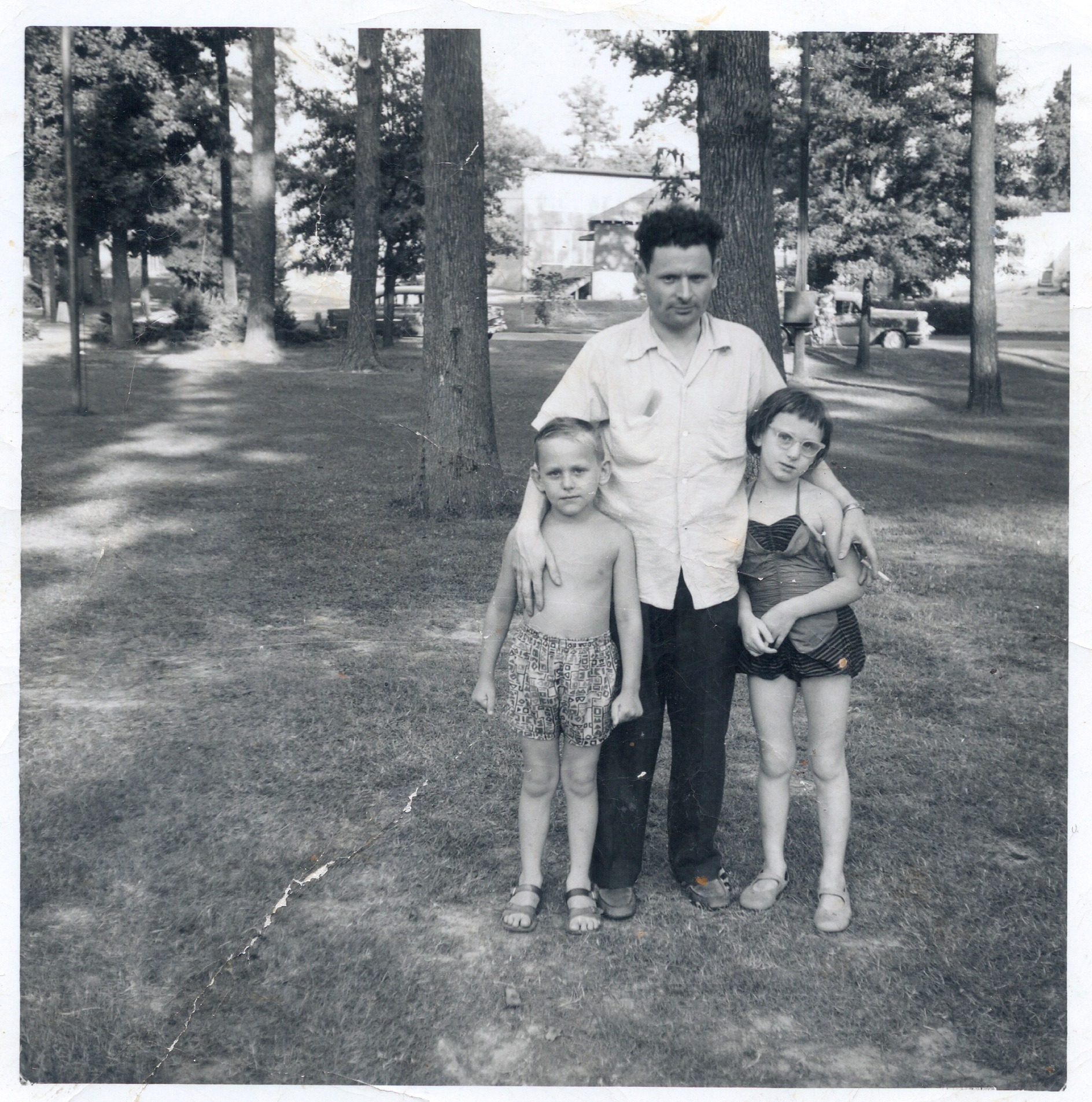
Leon became a successful tailor in Birmingham, and two additional children, Shirley and Sandy, joined the family. But for much of her life, Esther struggled with the demons of her past. She fought to live, not for herself, but for her family that she lost in the Holocaust. For her grandchildren, Esther was a symbol of hope – a promise that your fate can change if you don’t give up.
Quoting Elizabeth Kübler-Ross, one of Esther’s grandchildren shared the following during her eulogy:
When we have done all the work we were sent to Earth to do, we are allowed to shed the body… And when the time is right, we can let go of it and we will be free of pain, free of fears and worries… returning home to G-d.
Click on any image below to enlarge and view captions.
All photos on this website are the property of the Alabama Holocaust Education Center archive. Please contact us for permission before using or sharing any images.
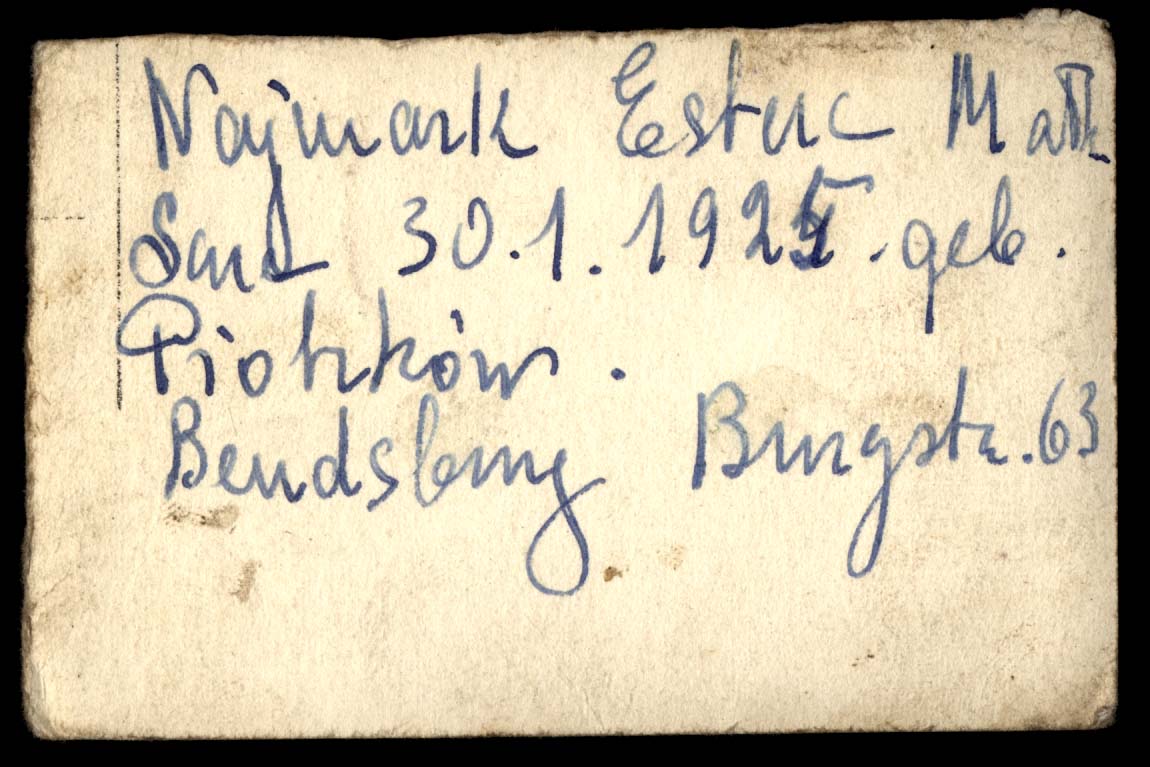
01/30/1925
Family never knew her real birthday and used 05/08/1926
Będzin
Chana Najmark
(10/17/1895 Łódź, Poland – ?)
Father, Unknown Name
Ruchla Najmark
(1931 Będzin, Poland – ?)
Leon Skurko (Skurka)
(04/16/1919 Łuków, Poland – 05/12/2008 Birmingham, AL)
Married August 10, 1947 in Pocking Germany
Chana (Hannah) Skurko (Spouse: Larry C. Wilner)
(Born 1948 in Passau, Germany)
Moses (Morris) Skurko (Spouse: Kathryn Ann Pierce)
(Born 1949 in Feldafing, Germany)
Shirley Skurko (Spouse: Steven J. Rebarber)
(Born 1953 in Birmingham, AL)
Adele Sandra “Sandy” Skurko (Ex Spouse: Gerald Salter)
(Born 1956 in Birmingham, AL)
1951-1995
Będzin Ghetto
Grünberg I (subcamp of Gross Rosen in Zielona Góra, Poland)
(February 1941-April 1943)
Ludwigsdorf (subcamp of Gross-Rosen in Poland)
(April 1943-1944)
Work Camp in Legnica, Poland
(1944-Liberation)
Soviet Army / Date Unknown / Legnica, Poland
Only surviving member of her family
Pocking, Germany
Feldafing, Germany
Sponsored by United Jewish Fund, USNA, and Birmingham JCC
1951-1995