On the last day of our journey, we visited Auschwitz-Birkenau.
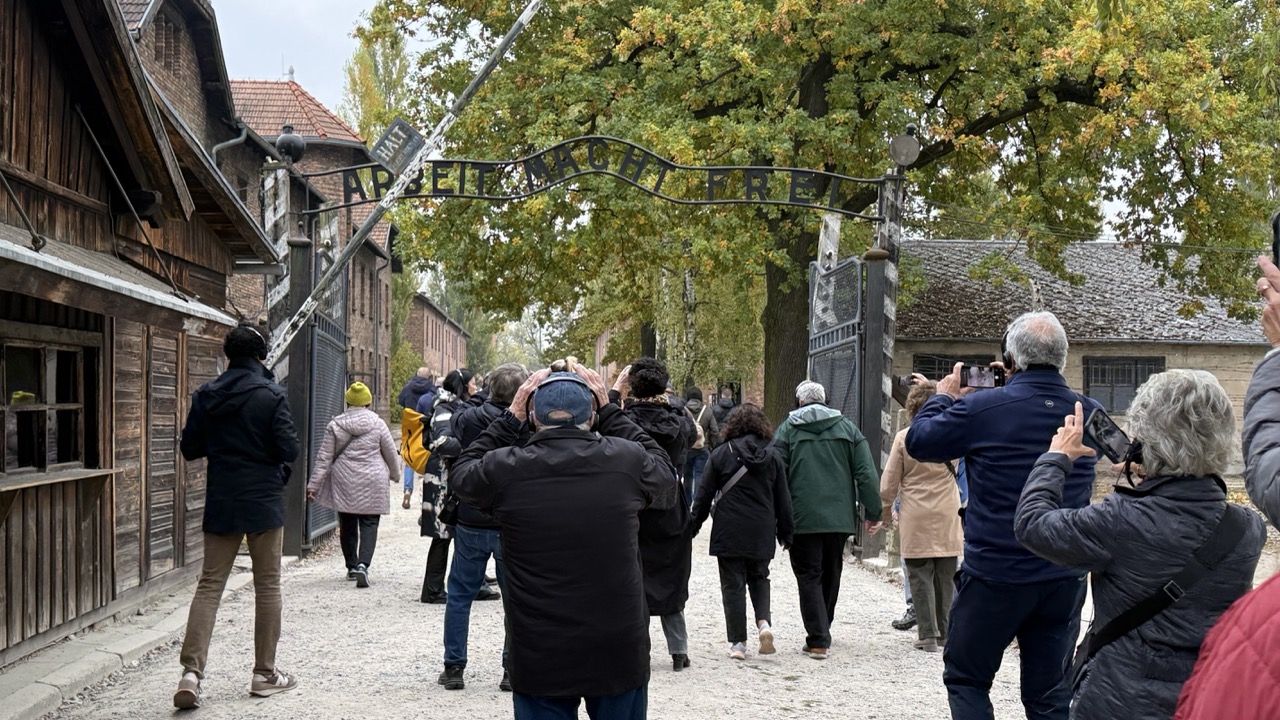
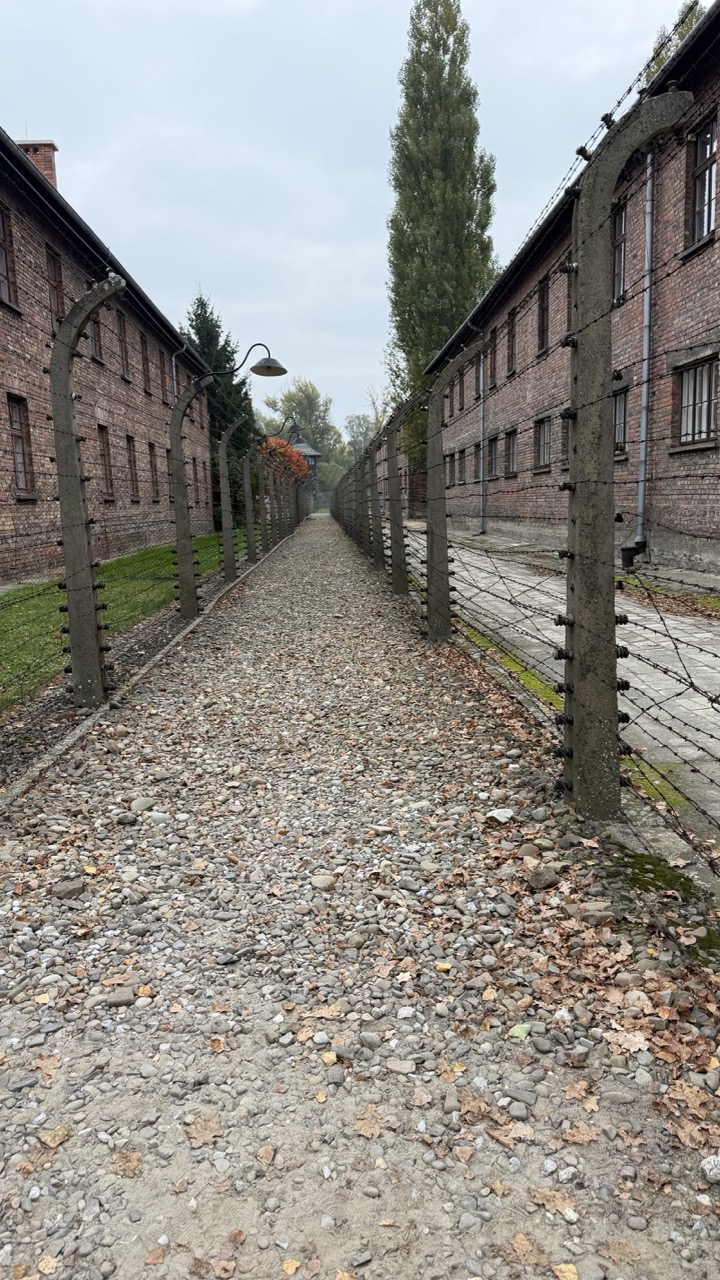
Auschwitz I and Auschwitz II, or Birkenau, were two parts of a vast concentration and extermination camp. Auschwitz I, the original camp, became a center of imprisonment, forced labor, torture, executions, and murder. Birkenau, built on a much larger scale, became the principal site of mass extermination, where the Nazis systematically murdered approximately million Jews, most in gas chambers, many immediately upon arrival.
Together, these places expose not only the depths of human cruelty, but the horrifying precision with which that cruelty was planned and executed.
I cannot remember another time in my life when I have felt such profound, consuming anger. A visceral, almost unbearable rage. The enormity of what I was witnessing became too much to articulate. I could feel the stress in my body building and at one point, looked into my husband’s eyes and simply sobbed as he held me.
I was wrecked.
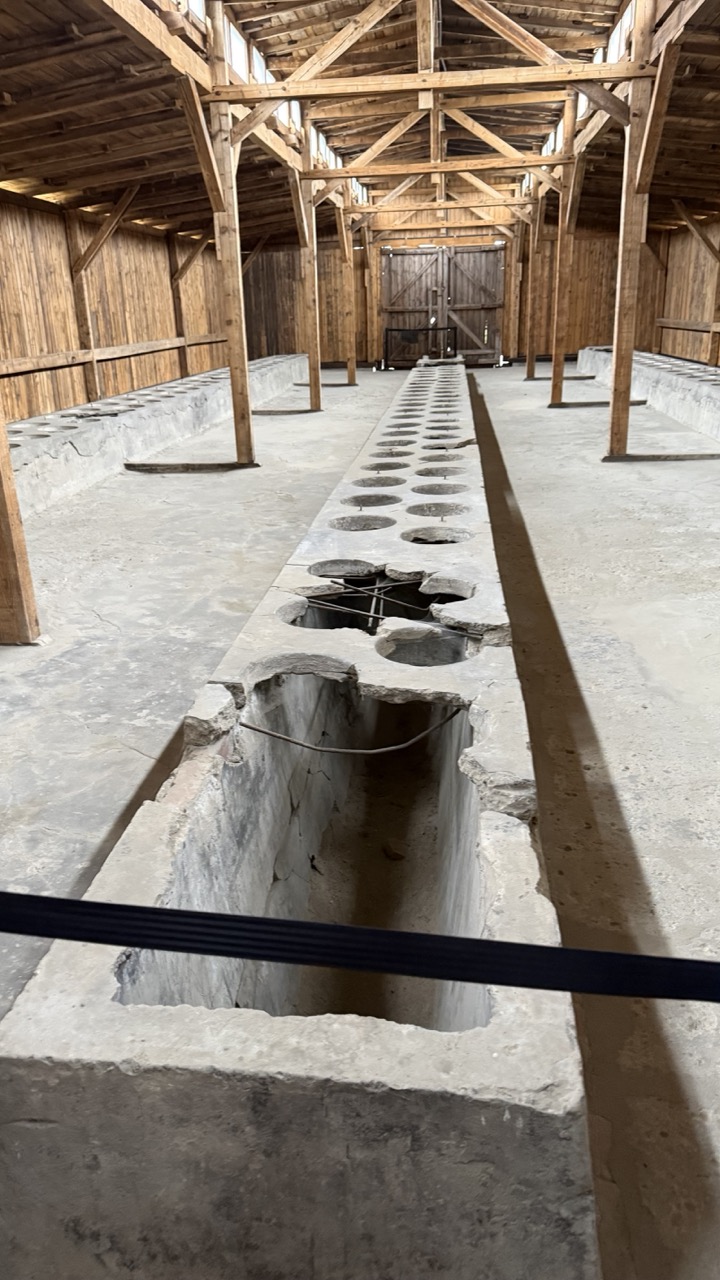
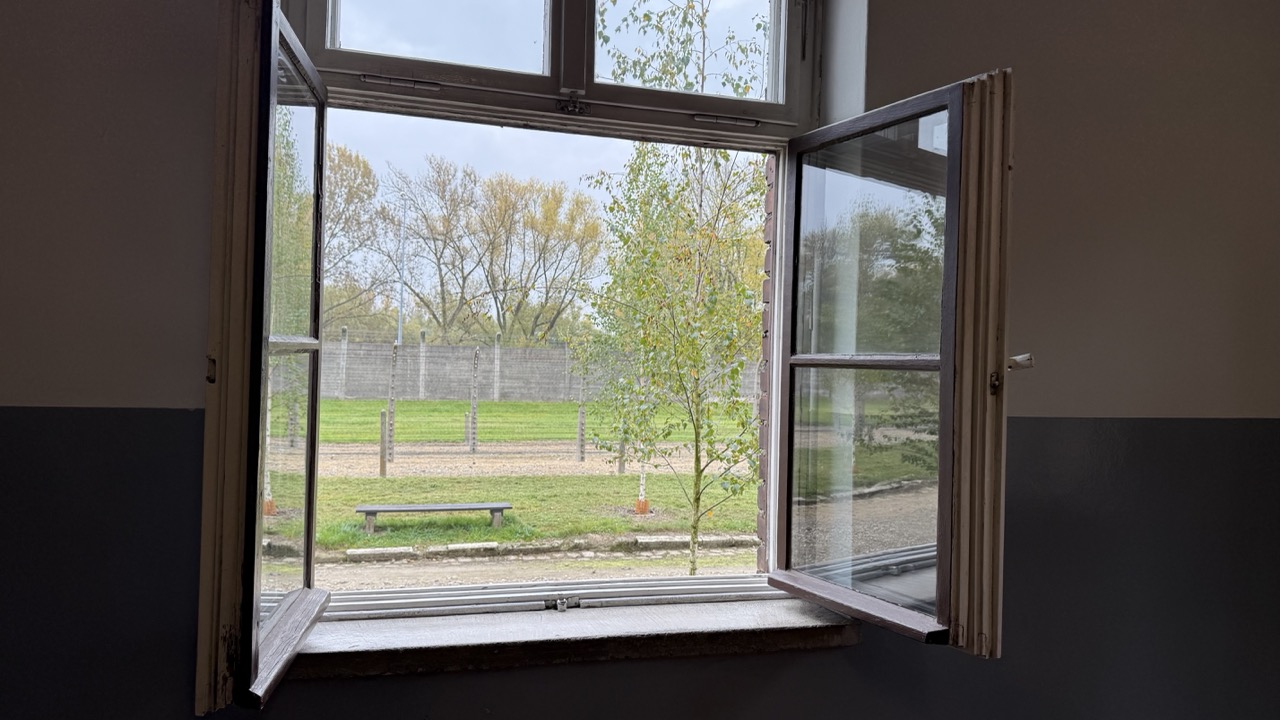
Walking through Auschwitz, standing inside the barracks and gas chambers, seeing the mountains of shoes, the human hair, and the remnants of lives so brutally stolen, I found myself struggling to comprehend the magnitude of what happened on the very ground beneath my feet.
Our guide repeated several times, “this place was designed for torture.”
To dehumanize. To humiliate. To murder. Period.
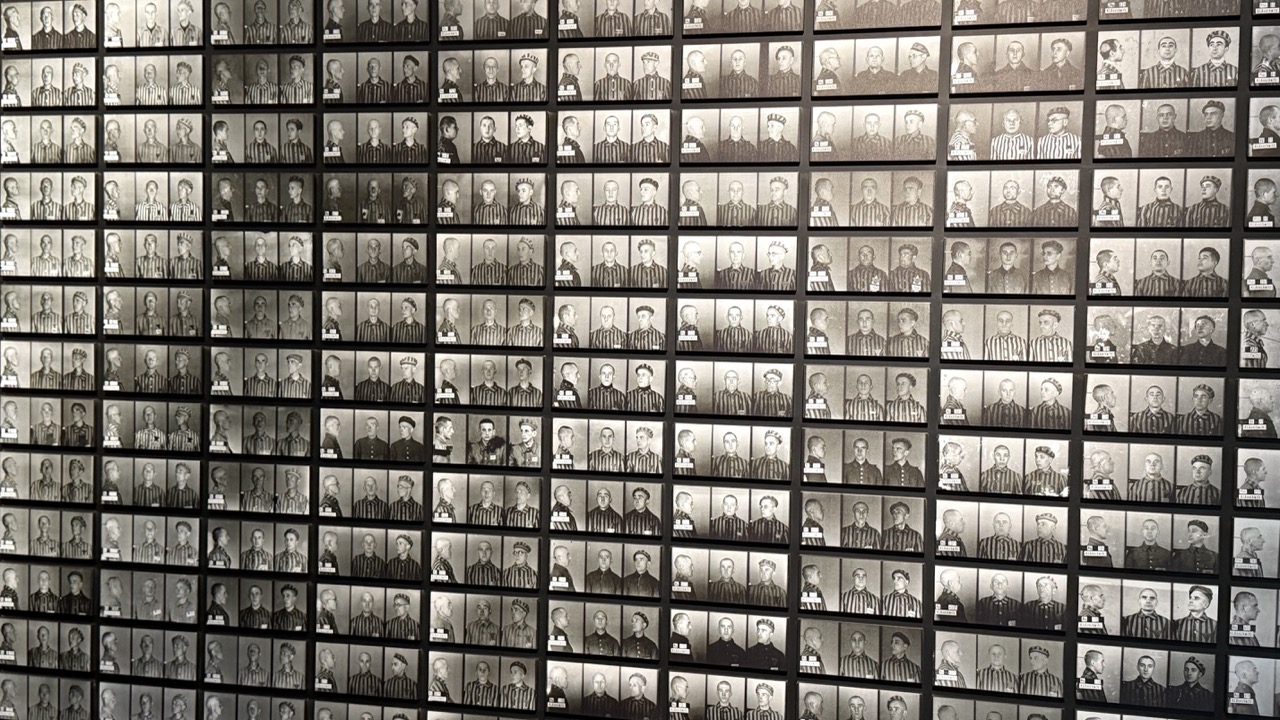
No mercy. No humanity. In fact, they didn’t refer to people by name, but by the numbers that were tattooed on their bodies.
Every detail was deliberate.
Intentional.
Every element of the system was designed to strip people of their dignity, their identity, their hope, and ultimately, their lives.
I was furious. Sick. Horrified. Disgusted.
I had no words.
I could not comprehend the calculated cruelty and unimaginable evil of what human beings were capable of inflicting upon other human beings.
People.
I could almost hear the screams. I could see the faces. I could imagine the terror, the desperation, the unimaginable suffering of mothers, fathers, and entire families whose lives were systematically extinguished.
And, the children. One room had pencil drawings on the wall done by the children. Their innocence, their realization of what was happening, their dreams and hopes for the future just gone.
Systematically.
We stood at the execution wall, where prisoners were lined up and shot. I had seen images of this and watched scenes portrayed in films. But nothing. Absolutely nothing could have prepared me for what it felt like to stand there.
There is a profound difference between witnessing history through a movie screen and standing on the ground where this actually took place. Where humanity was so violently betrayed.
The ground felt different. The air felt different. The silence was deafening.
And I seethed.
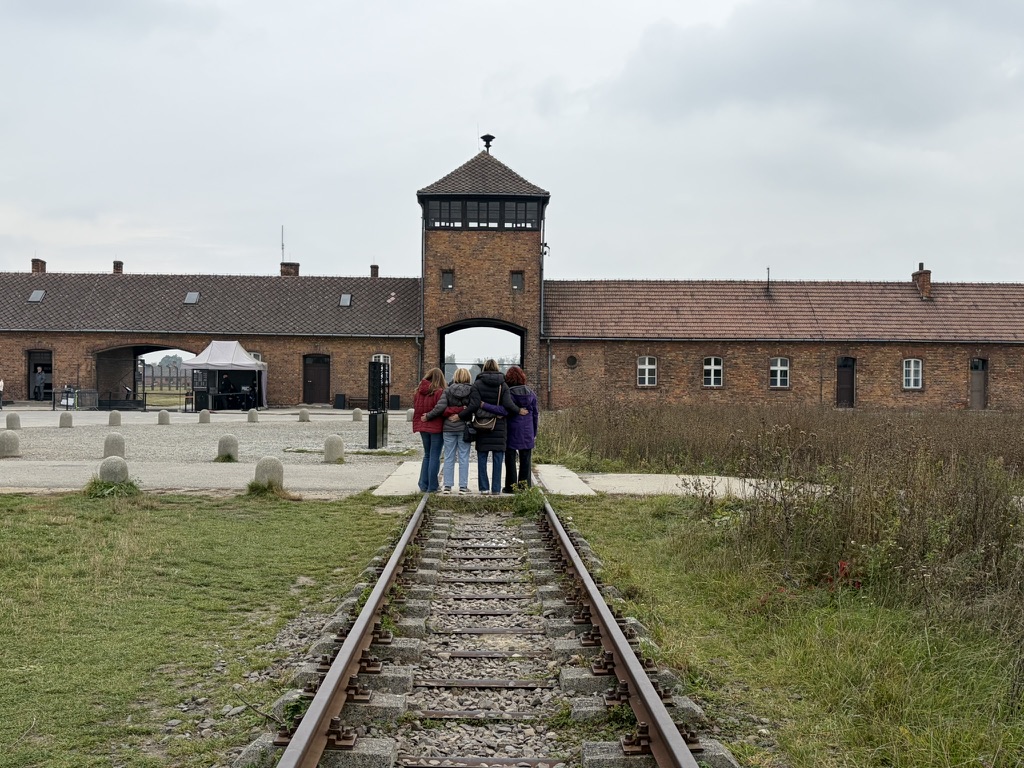
As we stood inside the gates of Birkenau, there was a silence that I recognized.
It was a similar, profound, haunting silence I had experienced at Treblinka.
But it was different.
At Treblinka, amid the overwhelming sorrow, I somehow felt a sense of peace. A sacred stillness. A moment in which grief and remembrance seemed to coexist with something spiritual that came from the souls buried there.
At Birkenau, I felt no peace.
Only anger.
An anger so deep that I could feel it in my bones. An anger at the barbarity, the indifference, the systematic destruction of innocent lives. An anger at the nazis (I refuse to capitalize the word and give them that dignity) that allowed such atrocities to unfold.
An anger at the knowledge that hatred, antisemitism, and the dehumanization of others are not merely ruins of history.
They remain with us.
And standing there, I began to understand that I was not meant to find peace in that moment.
I was meant to find resolve.
The silence here was not asking me to be still but was instead, DEMANDING that I do something.
Because anger alone changes nothing. Outrage accomplishes nothing.
Remembrance is not enough.
What I felt at Auschwitz Birkenau was not simply an emotional response to the horrors of the past. It was a profound confrontation with the responsibility we carry today.
I have always understood the importance of our work. I have never needed to be convinced that what we do matters. But standing in the shadow of such unimaginable suffering brought that responsibility into sharper, more urgent focus than I could ever have anticipated.
Our work is not simply important. It is imperative. It is a moral obligation.
We cannot be satisfied with only teaching people what happened. We must find ways to help them understand how it became possible. How ordinary people came to accept the unacceptable. How hatred was cultivated, how cruelty became policy, and how the humanity of millions was erased long before their lives were taken.
Because if we fail to recognize how a society reaches that point, how can we possibly recognize the warning signs in our own?
That is the challenge before us.
Not simply to teach history, but to make its lessons impossible to ignore. To confront antisemitism, and all forms of prejudice, and bigotry with the knowledge, conviction, and courage that understanding this history demands.
We owe those whose lives were stolen more than our remembrance. We owe them our determination.
We cannot undo what happened on that ground. We cannot give back the lives that were taken, silence the screams that once echoed there, or erase the suffering that permeates its history.
But we can refuse to look away.
We can turn anger into purpose. Grief into determination. Remembrance into action.
I left Auschwitz with a fire in my soul and an unshakable conviction that the work we do is not optional.
It is necessary.
It is urgent.
It matters immensely.
As we walked out of the camps, our team pulled together and we stood before the gates of Birkenau, and we made a promise.
Together.
We stood in silence. Still. Arm in arm.
We recognize the greatest tribute we can pay to those who perished is not simply to remember the atrocities committed.
We must ensure their suffering compels us to confront what is happening around us, and that their memory strengthens our courage to stand against hatred without hesitation, without compromise, and without silence.
That is what we carried out of Auschwitz.
A renewed purpose.