Our last two days in Berlin have been incredibly moving. I’ve been trying to process everything we saw, learned, and felt, and I keep coming back to one question: What do we do with the weight of guilt?
We stood in the spot where Hitler’s bunker once existed. Today, there is nothing there to commemorate him. Just an ordinary space, with a nearby sign explaining the history of what happened.
I found that fascinating.
Germany has made a conscious effort to remember its history without glorifying those responsible for its darkest chapters. There are no monuments celebrating Nazi leaders. Instead, there are museums, educational centers, and memorials dedicated to telling the stories of those who suffered and those whose lives were stolen.
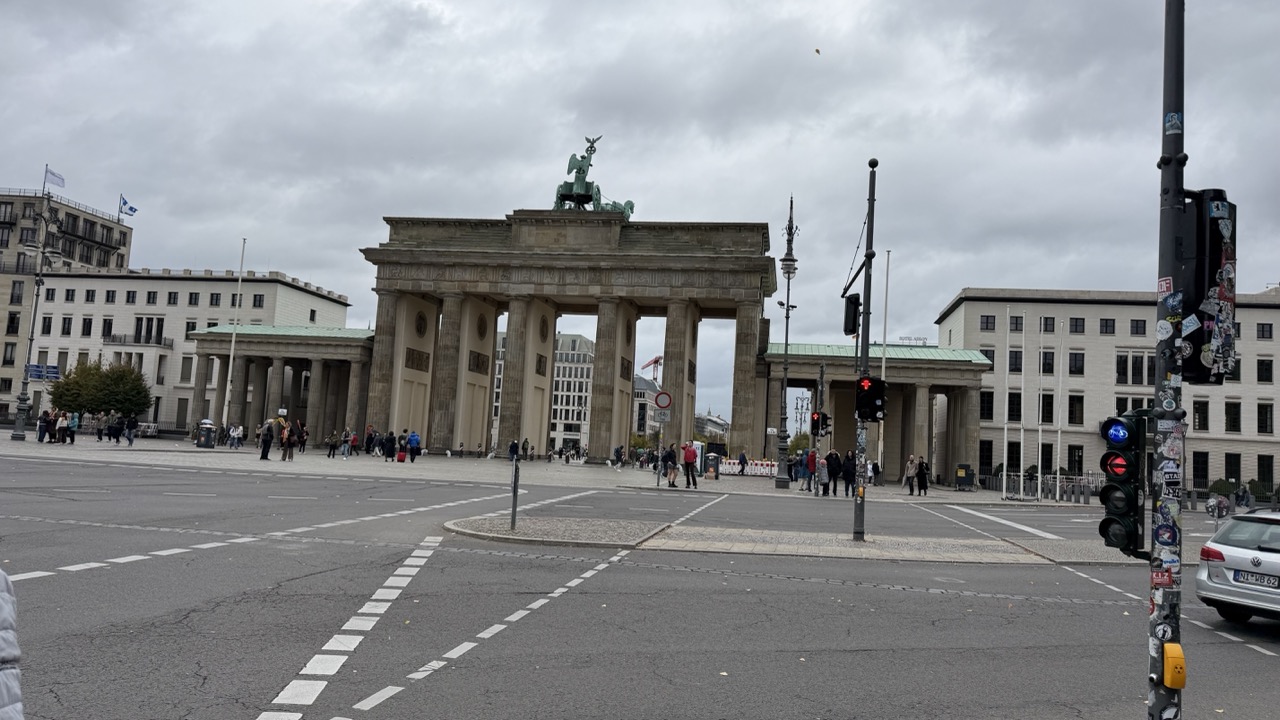
We walked through Checkpoint Charlie and crossed through the Brandenburg Gate, originally built as a symbol of peace, later becoming a symbol of division, and eventually reunification. It was remarkable how the meaning of a place changed so dramatically over a short period of time.
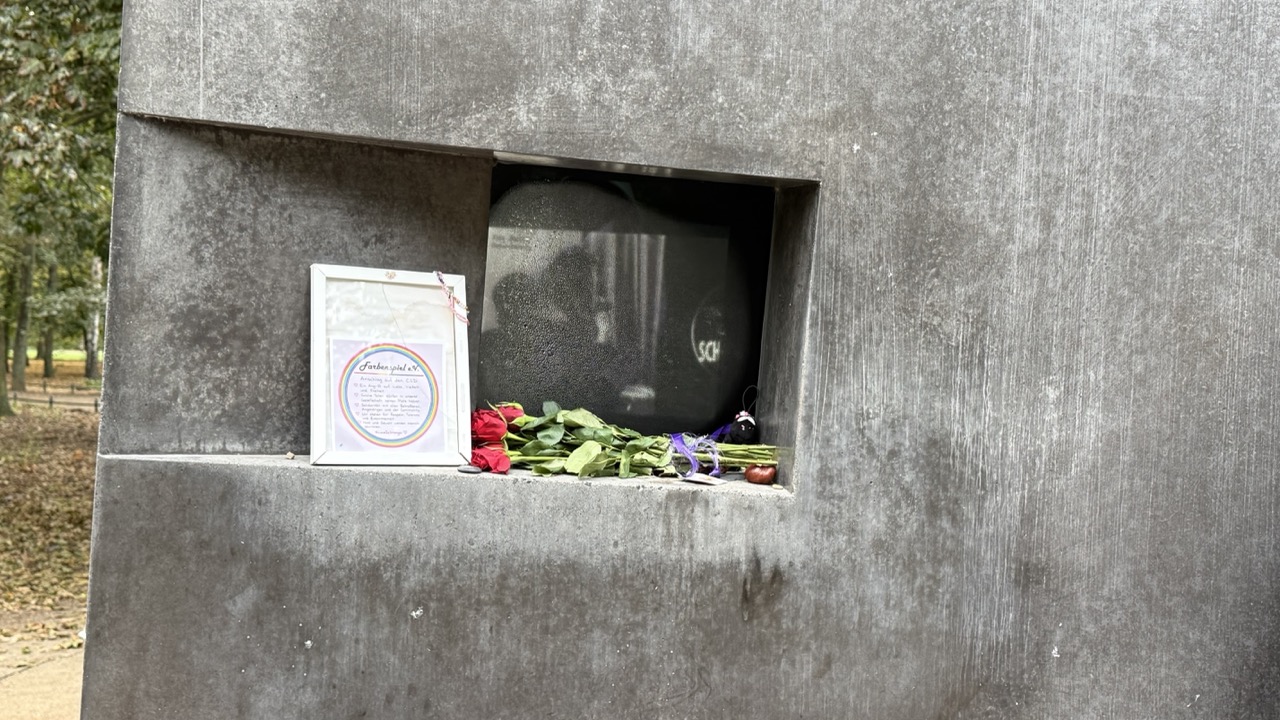
We visited beautiful and deeply moving memorials to the Roma and Sinti people murdered by the Nazis. I was particularly struck by the memorial to the Gay community designed with a small window that invites you to peer inside and see a film depicting same-sex love. There was something truly powerful about seeing love acknowledged so beautifully.
Perhaps one of the most haunting experiences was our visit to Wannsee, a beautiful, peaceful area just outside central Berlin.
The beauty was beyond stunning. It actually angered me that it was so pretty. How could that be?
We stood in the villa where, in January 1942, 15 high-ranking Nazi officials and government representatives gathered around a table for a meeting that lasted approximately 90 minutes.
They were all highly educated men, including several with doctoral degrees.
The mass murder of Jews was already underway, but this meeting was about coordinating and organizing what the Nazis called the “Final Solution to the Jewish Question” across Europe.
Think about that.
Ninety minutes. Fifteen men. Sitting in a beautiful room. Discussing the logistics of deportation and mass murder as though they were conducting ordinary government business.
The cold, bureaucratic efficiency of it is impossible to comprehend. We had no words.
I kept thinking about how education and intelligence do not necessarily lead to humanity or moral courage.
How can people be so educated and yet participate in something so profoundly inhumane?
How does something so horrific become a matter of administration, coordination, and efficiency?
Is this what happens when people stop seeing other human beings as human?
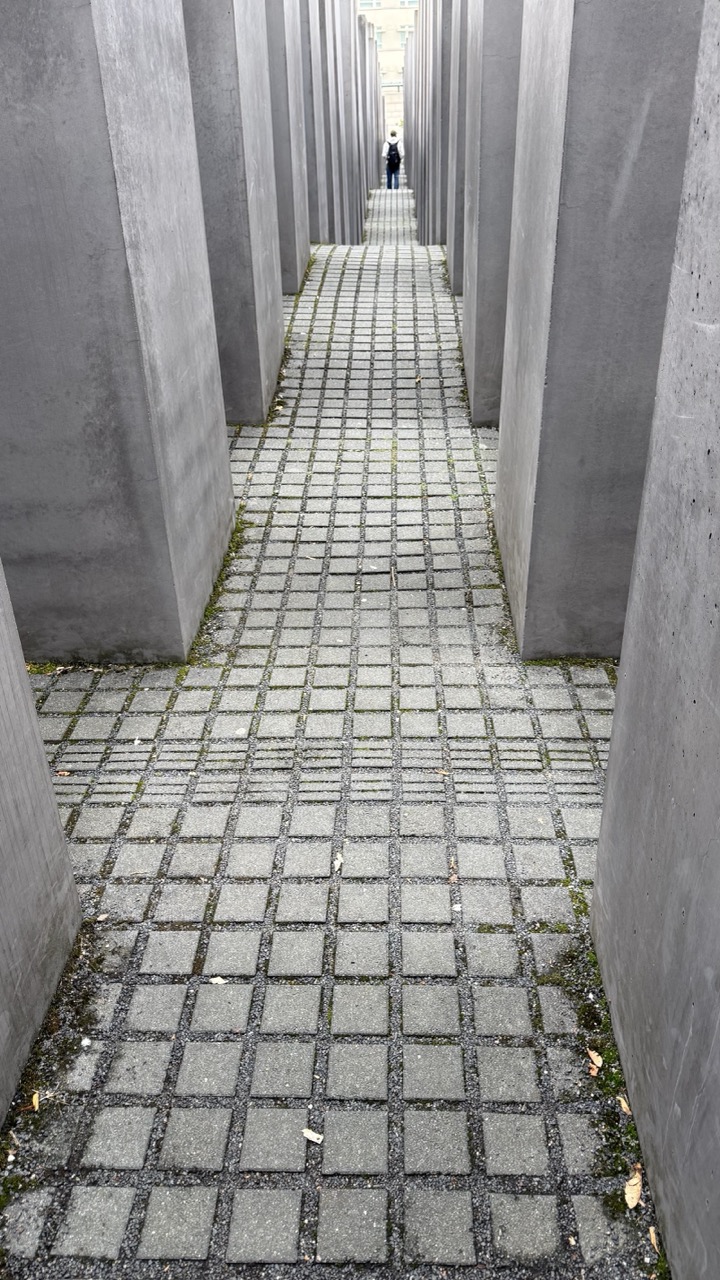
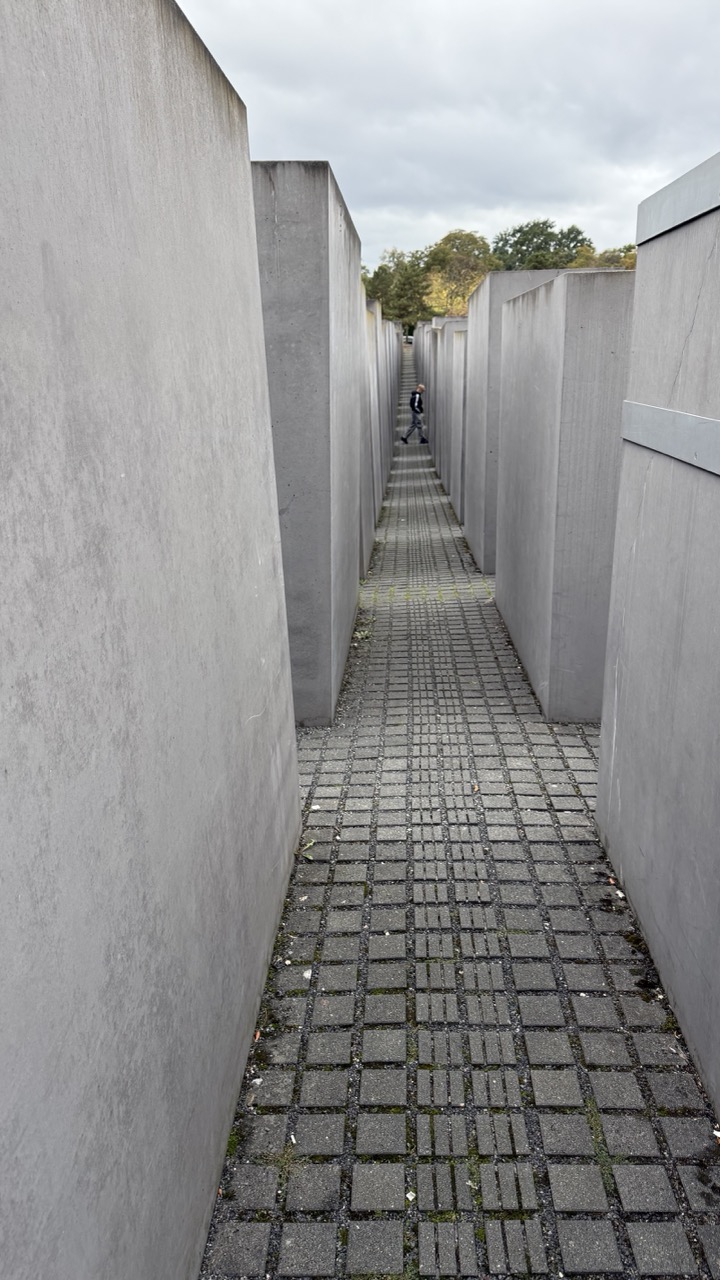
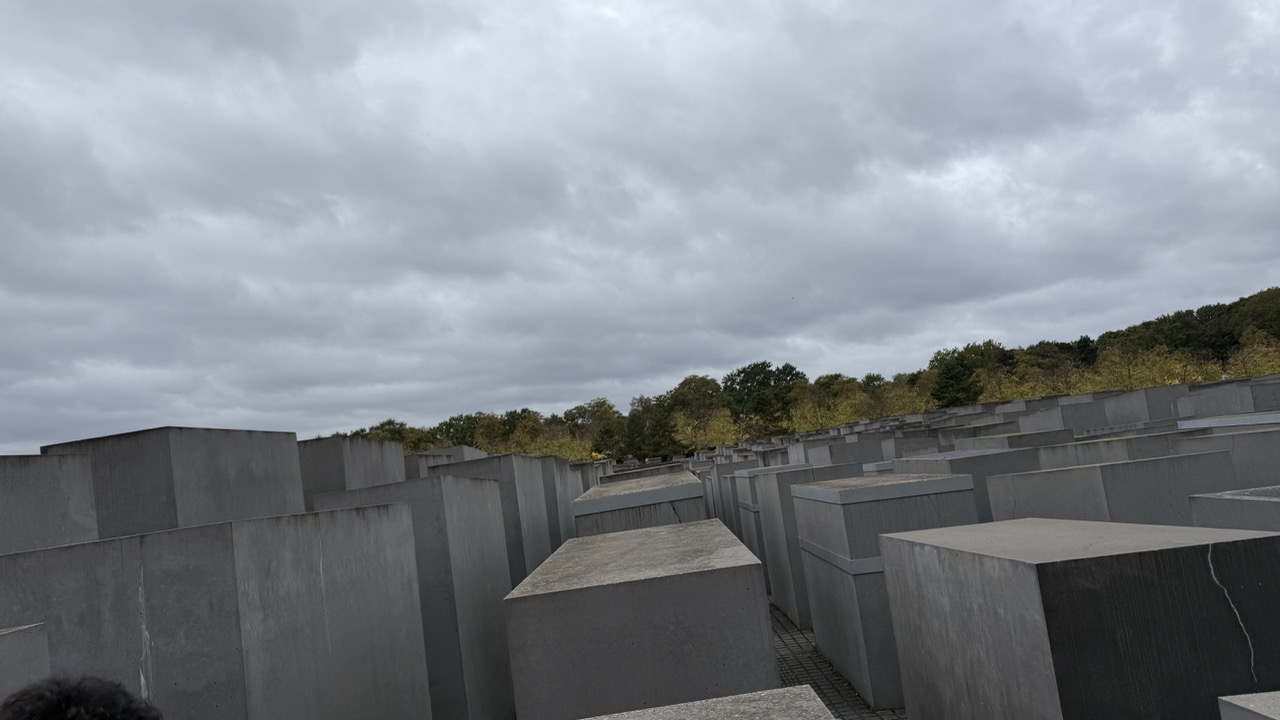
Earlier in the day, we walked through the Memorial to the Murdered Jews of Europe.
After standing in the room at Wannsee where the machinery of mass murder was coordinated, walking among those concrete stones took on an even deeper meaning.
It’s difficult to describe the experience. Rows and rows and rows of rectangular concrete stones of varying sizes and heights. As we walked deeper into the memorial, the stones rose around us, the paths became more disorienting, and the sounds of the city seemed to fade away.
It was quiet. Unsettling. Powerful. Beautiful.
There was no single explanation telling us what we were supposed to feel. And perhaps that was part of what made it so moving. Each person walks through with their own thoughts, their own emotions, and their own understanding of what it means to remember.
At Wannsee, human lives had been reduced to numbers, categories, and logistics. At the Memorial, that all changed. They became people, individuals with families, children, dreams.
Millions of lives, each one different, each one important.
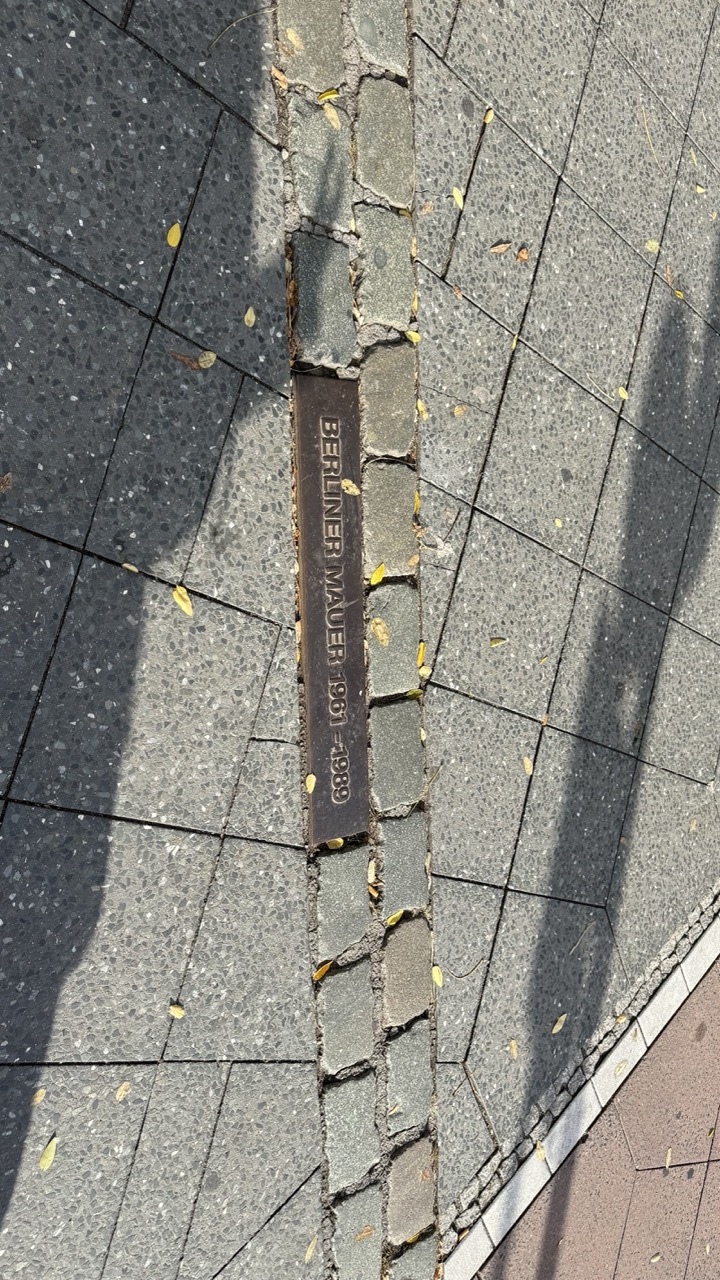
Our last set of stops were at places where the Berlin Wall once divided Germany and its people. This was a different period of German history, but somehow, it felt connected to everything else we had experienced. The consequences of division, the power of ideology, and the ways history continues to shape the present.
And then came a highly profound experience to cap off our time in Berlin.
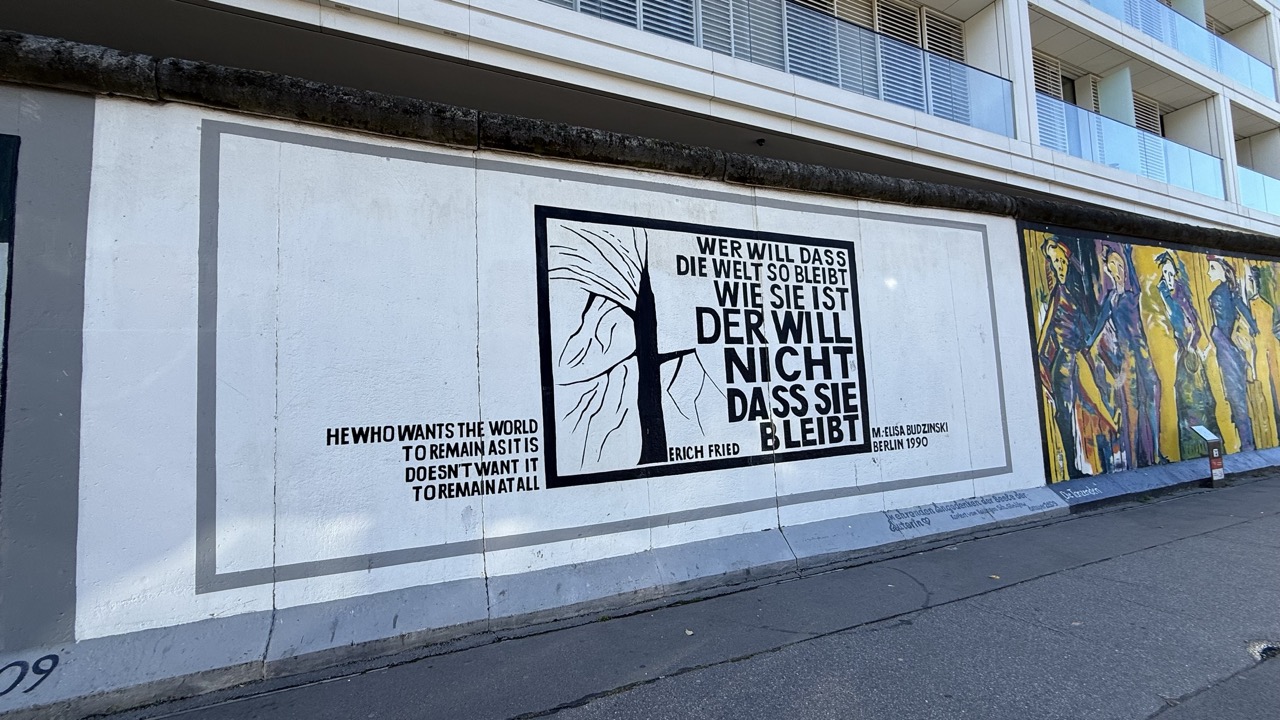
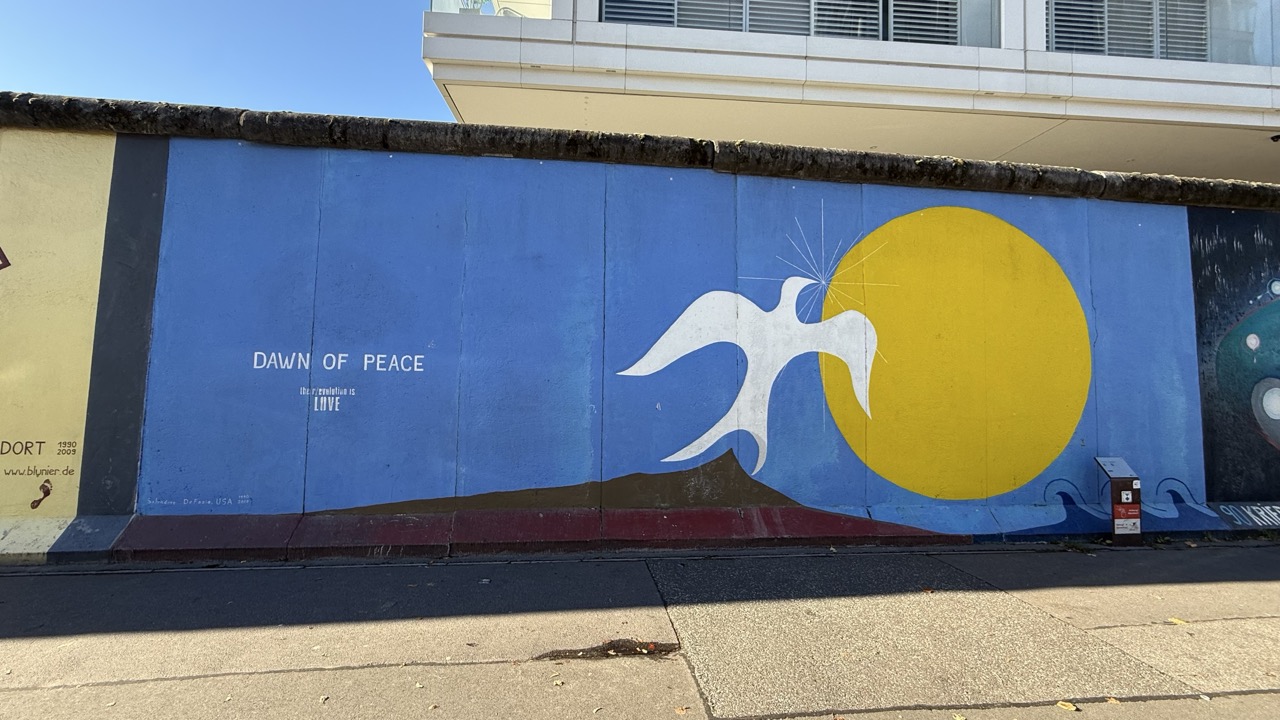
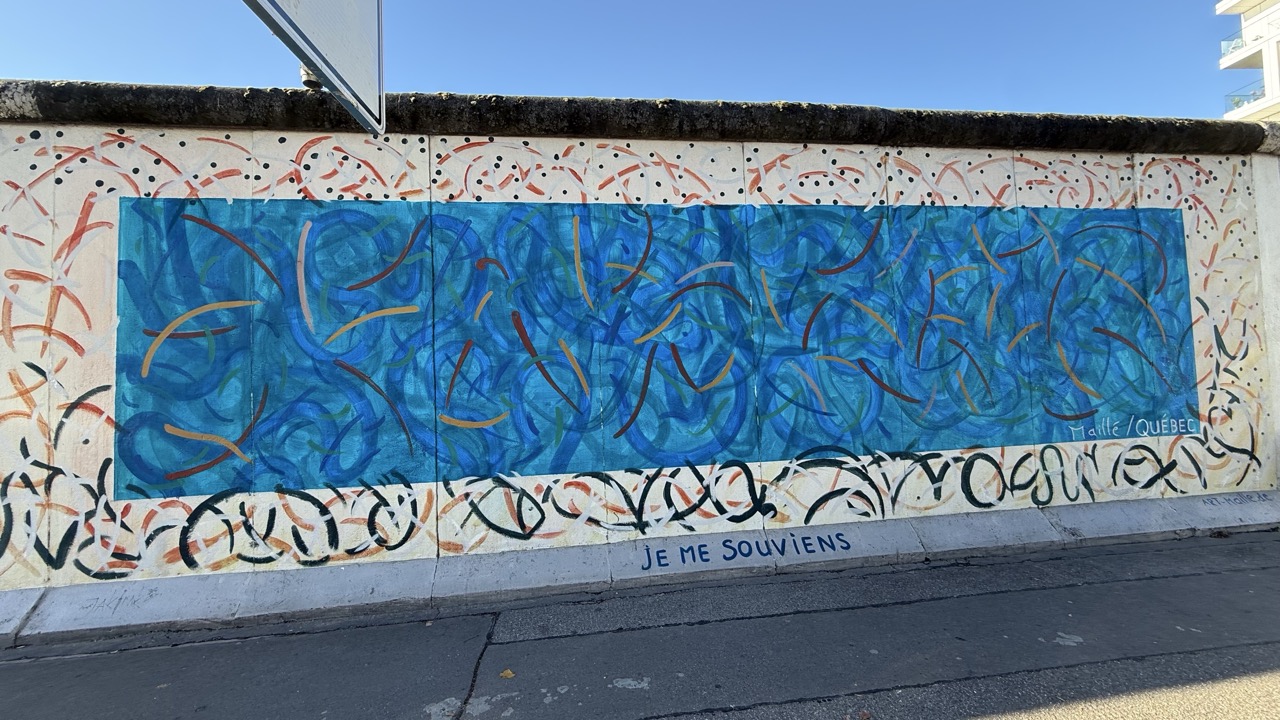
We visited the East Side Gallery, where a long stretch of the Berlin Wall still stands, but has been transformed into an outdoor art gallery filled with extraordinary murals.
The contrast touched my heart.
Something once built to keep people apart has become a place of creativity, beauty, diversity, and expression. A symbol of division transformed into something that brings people together.
One mural in particular stopped me. The words on its plaque were so simple:
“We have more walls to tear down.”
I’ve thought about those words a lot.
After everything we have seen in over our 4 days in Berlin, they seemed to capture something I had been struggling to put into words.
How do we move forward from a difficult past without forgetting it?
What do we do with guilt, whether it belongs to us personally or is part of the history we inherit?
How do we honor the past without being trapped by it?
How do we accept responsibility for the future without carrying guilt for things we did not personally do?
And what are the walls that still exist? Do we even see them?
I don’t have answers to all of these questions. As I wrote earlier, Berlin has left me with more questions than answers.
One thing I found deeply meaningful was seeing how much effort Germany has put into confronting its history. Not erasing it. Not celebrating it. But creating spaces to learn, remember, reflect, and grow.
Of course, no country, or person for that matter, ever gets everything right, and I imagine this is work that never really ends.
Perhaps that’s what makes the message on that mural so profound.
The Berlin Wall came down decades ago. What remains of it has, in places, become a beautiful expression of the very freedom and diversity it once denied.
And yet, we have more walls to tear down.