“I didn’t have time to reminisce or feel sorry for myself. I had to worry about educating my children and making a living.”
Prague, 1896: A Girl of Ambition
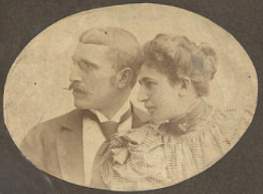
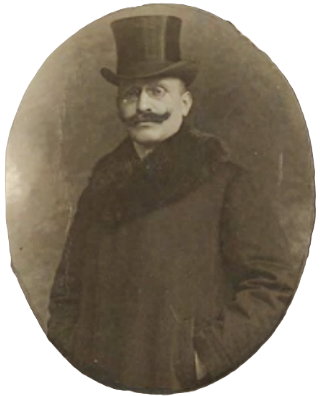
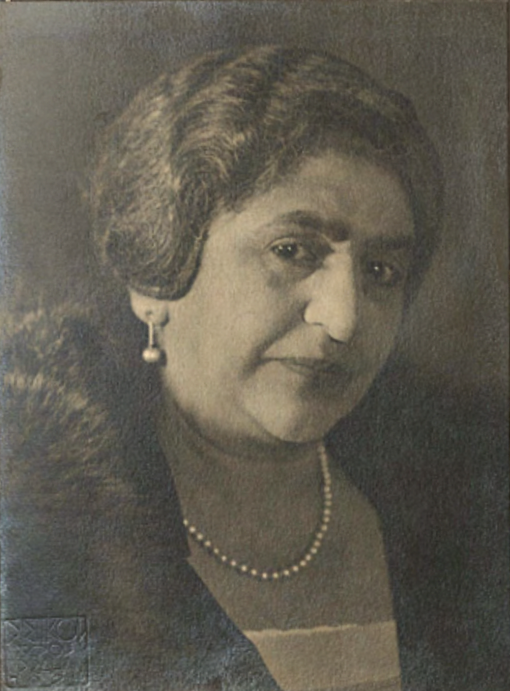
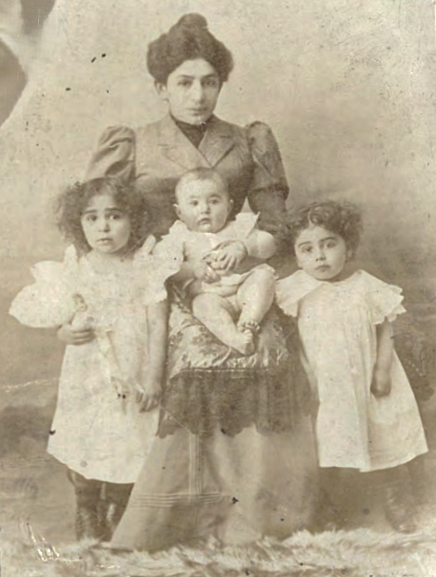
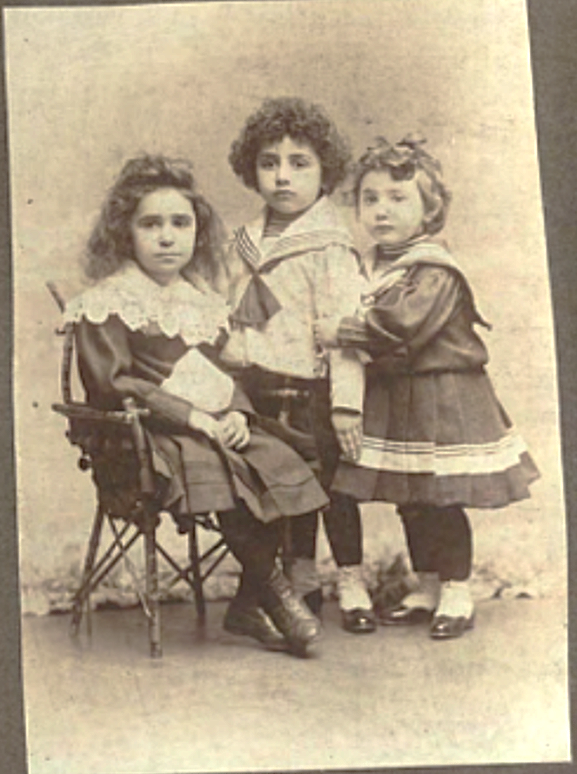
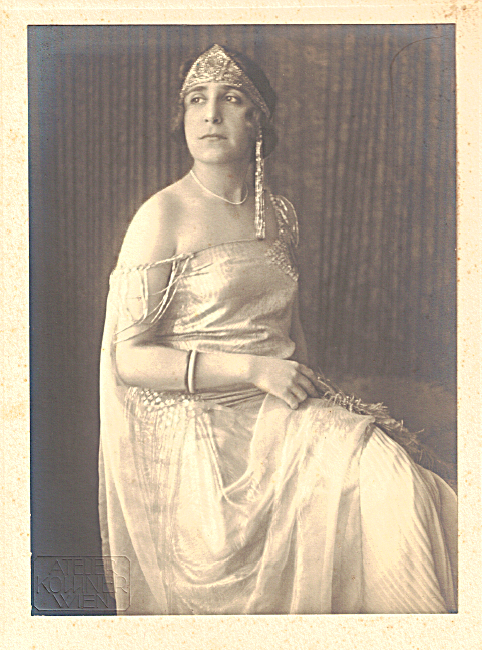
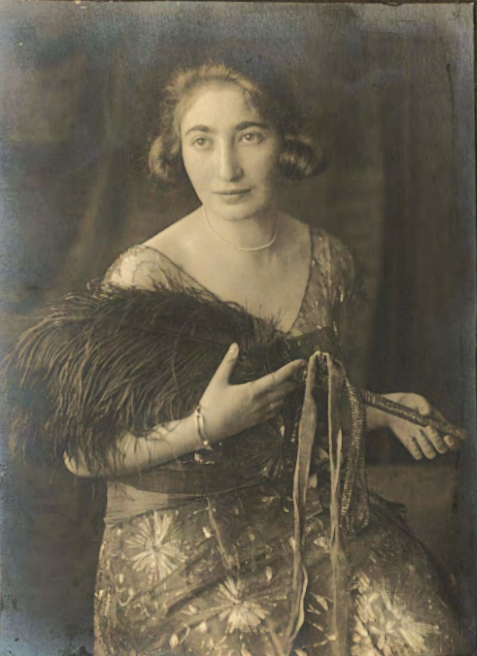
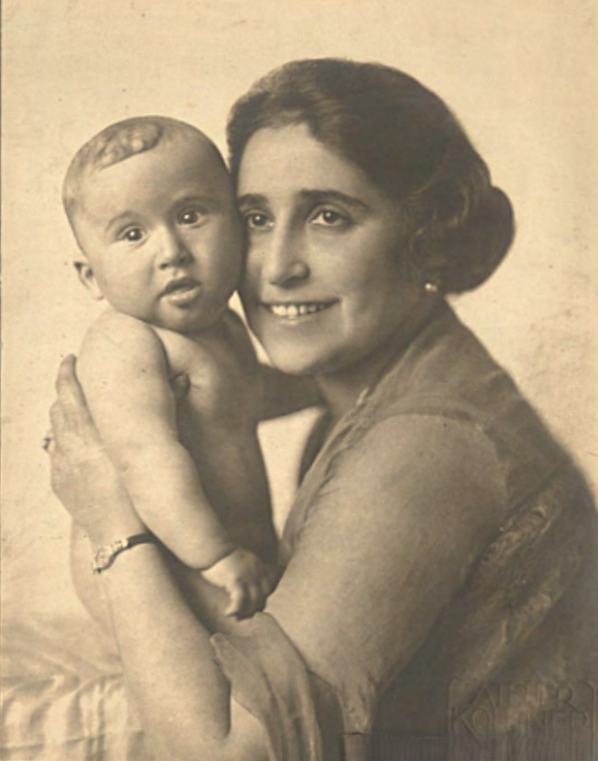
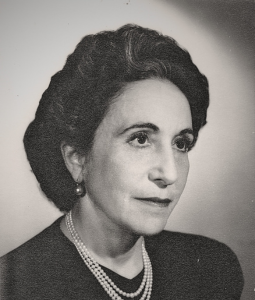
Hella Mautner entered the world as Helena Roubičková, but history would know her as Hella. Born in 1896 into a prosperous Prague family, she was the eldest of three—older sister to Josef (”Roby”), and the youngest, Adéla (”Ada”). Hella’s parents divorced when she was 15, but her father’s absence left little wound. The woman who shaped Hella was her mother.
Hella’s mother was extraordinary. A visionary couturière, she was widely regarded as one of the most gifted in all of Austria-Hungary. She ran her salon, Roubíčková Fashion Salon (founded 1909) with discipline and flair, and she raised her eldest daughter with the same exacting standard. Through her mother’s example, Hella learned what it meant to work hard, to adapt, and never to be idle.
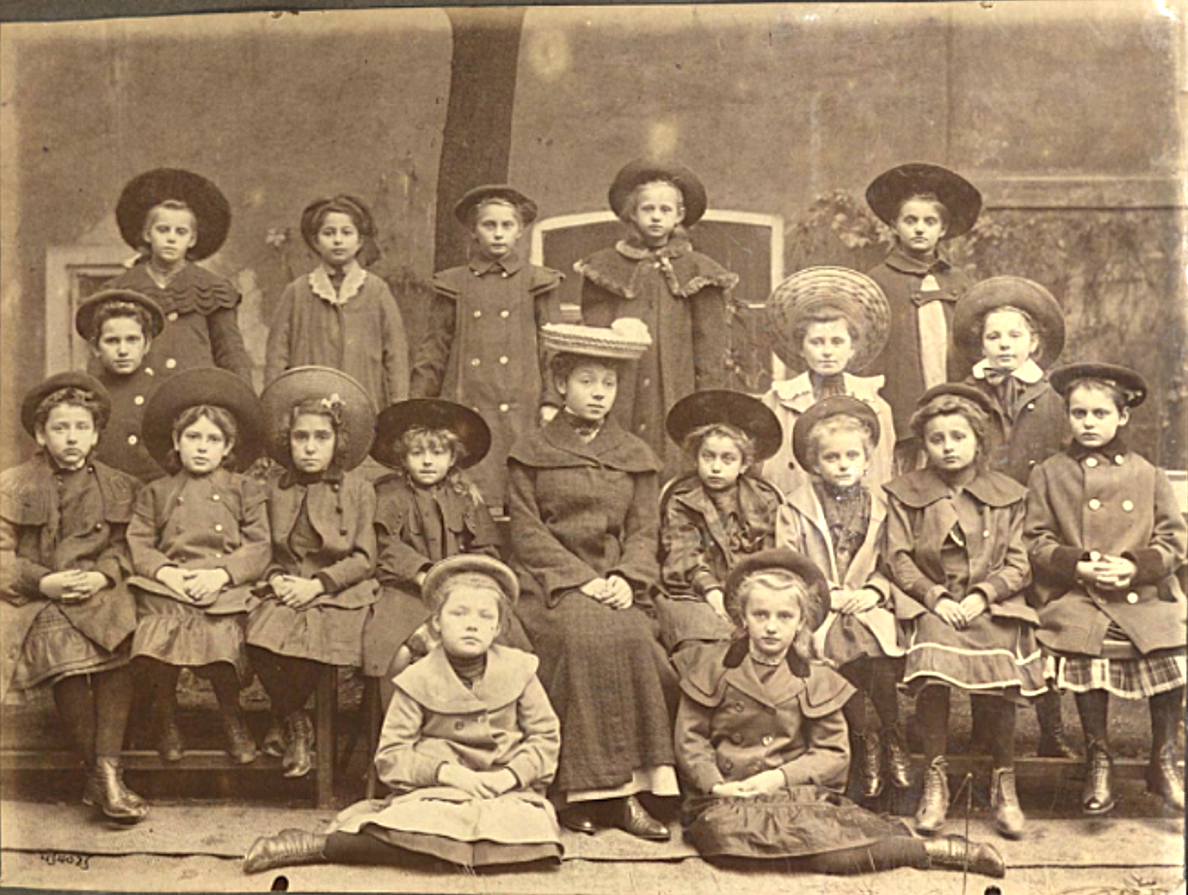
Hella’s first language was Czech, but languages came to her as naturally as breathing. In school, she absorbed German, French, and English. She did not think of herself as beautiful; that was a vanity left to others. But she noticed, not without some private amusement, that men seemed to notice her all the same.
The Boy Who Paid a Fine for Her
One of her earliest suitors was an older university student named Willi Brüssel. He was dashing and devoted to 15-year-old Hella—and a member of the most antisemitic fraternity at Charles University. Every contact with Hella cost him a fraternity fine, which he paid without hesitation. In Willi’s eyes, she was worth every křona.
But their romance was cut short by Hella’s mother. Ever purposeful, she enrolled Hella in a prestigious Swiss finishing school in Avenches. Hella had her complaints about the place, but she emerged from it fluent in French and polished in table manners.
Upon returning home, Hella was tutored in English, and at the age of 18, she was sent to a boarding school on the Isle of Wight—under chaperone, naturally—to put a fine point on her new language.
She might have stayed in England longer, but in June 1914, the assassination of Archduke Franz Ferdinand sent shockwaves throughout Europe and sparked the First World War. Hella’s chaperone panicked. Hella wanted to stay—but she was not yet a woman who defied her elders. They were on the last boat to cross the English Channel.
Back in Prague, Hella would never see Willi again. He died in combat, fighting for the German Army during WWI. Her son, Willy, became his namesake.
Between the Wars: A Golden Interlude
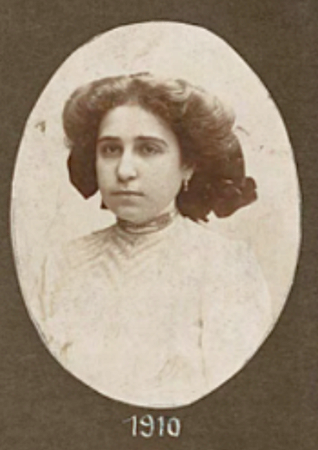
Despite the carnage beyond its borders, Prague in wartime was, for the Roubičková household, strangely livable. Hella’s mother had the shrewdness to stockpile materials before the shortages arrived, so her salon hummed along. Hella, in her twenties, was living with an almost defiant fullness: reading the classics, accepting the attention of suitors, soaking in the culture of one of Europe’s great cities.
After the Armistice, Hella traveled the continent with her mother. She would later call these years among the finest of her life.
For her brother Roby, the German inflation of the early 1920s made it difficult to find a job in his profession, engineering. His mother insisted that there would be more opportunities in the US. So in 1923, Roby immigrated to Boston, and eventually to Birmingham to work as an electrical engineer with Alabama Power Company. Roby would become the family’s lifeline to America.
The Husband Who Came With the House
When Hella reached her mid-twenties, her mother insisted it was time to marry. Hella was dispatched to Vienna to stay with an aunt and uncle who had already selected a candidate.
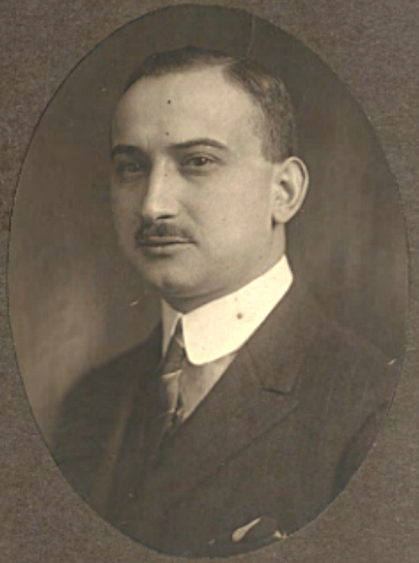
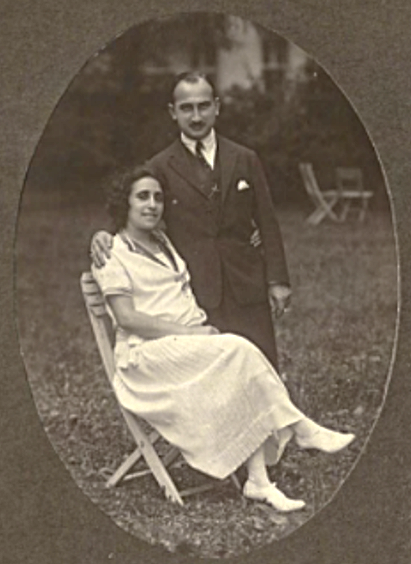
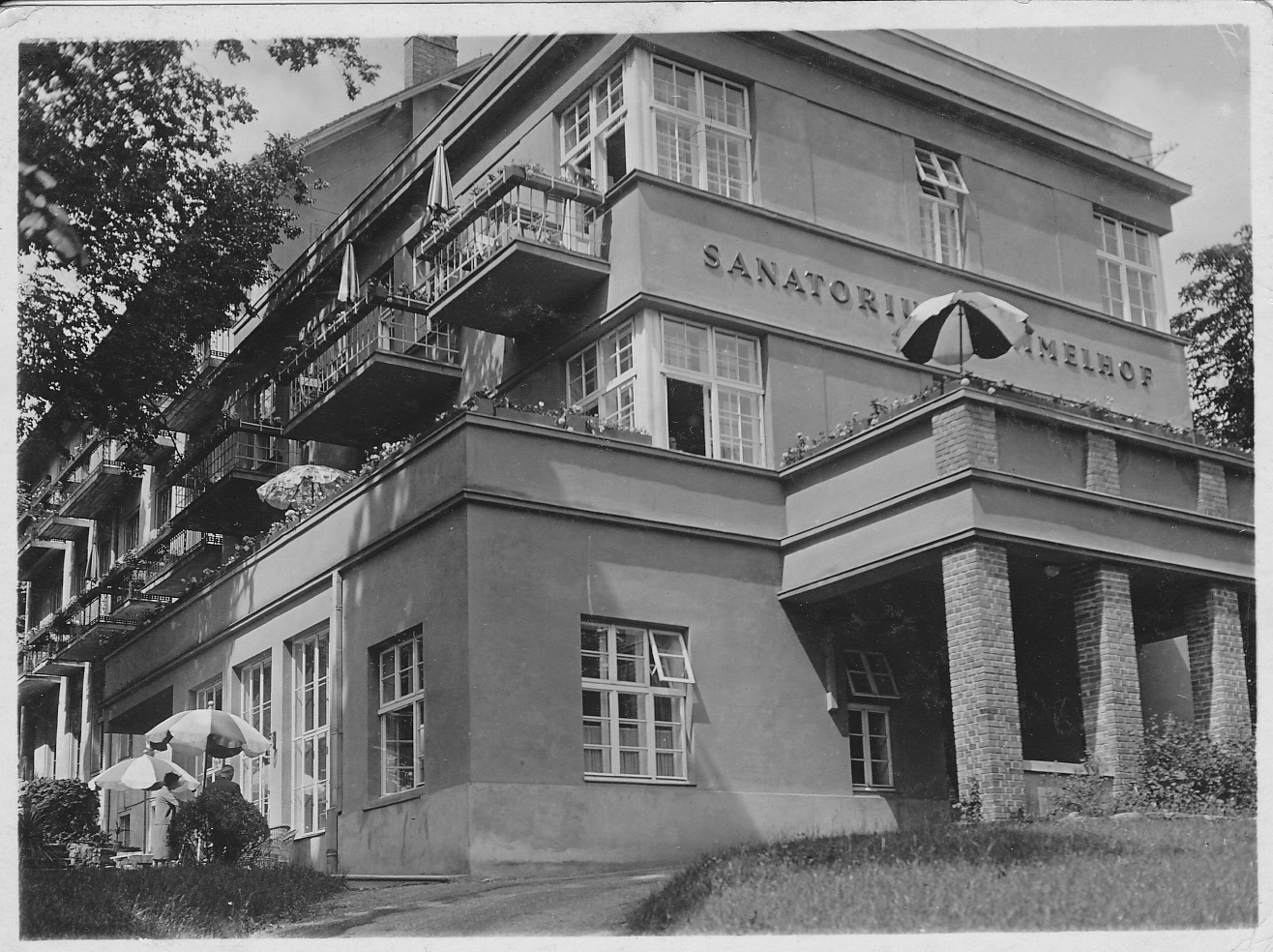
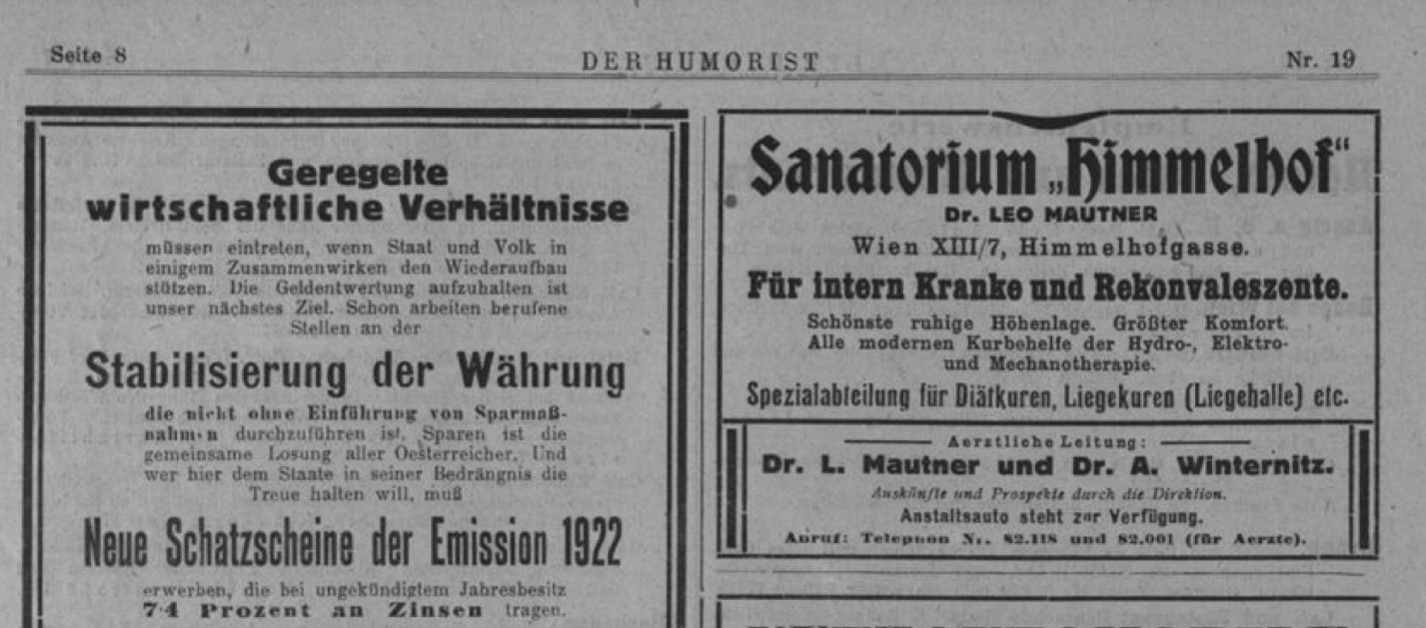
The candidate was Dr. Leo Mautner, a Jewish physician who owned a sanatorium called the Himmelhof, nestled in the countryside a few miles outside of Vienna. Hella found Leo most unattractive and refused to marry him, at first.
Then she visited the Himmelhof.
It was beautiful—serene and stately, its gardens stretching toward the hills. And the patients who came from across Europe meant she could practice every language she had worked so hard to learn. Hella made her calculation. She accepted the proposal.
“I loved the Himmelhof. All I had to do was buy the husband that came with it,” recalled Hella. It was not a romantic beginning. But it would become, in its way, a life.
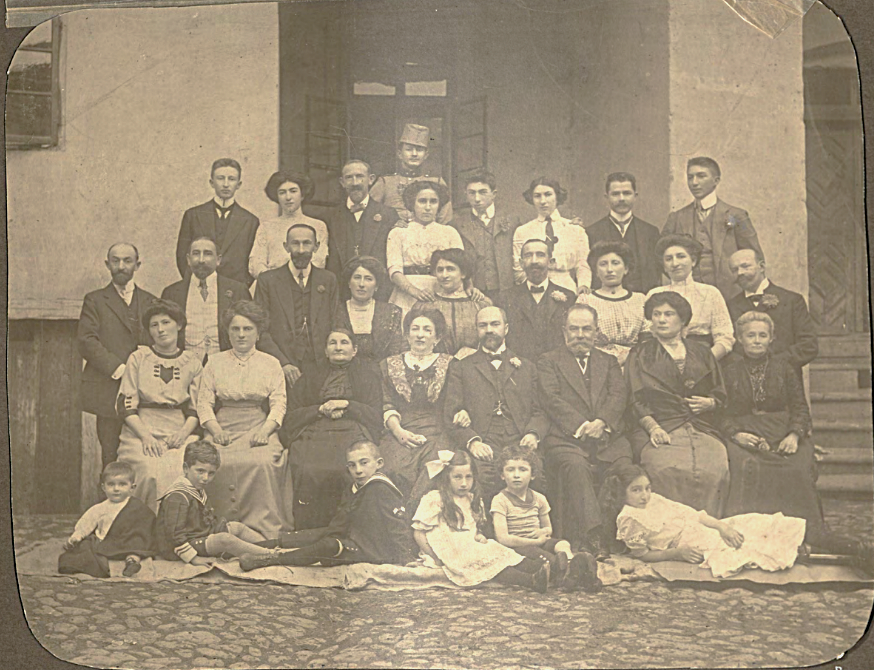
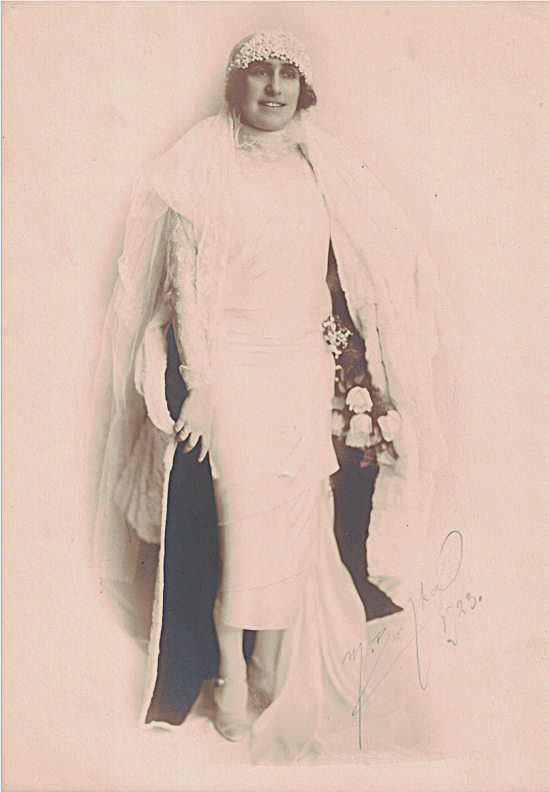
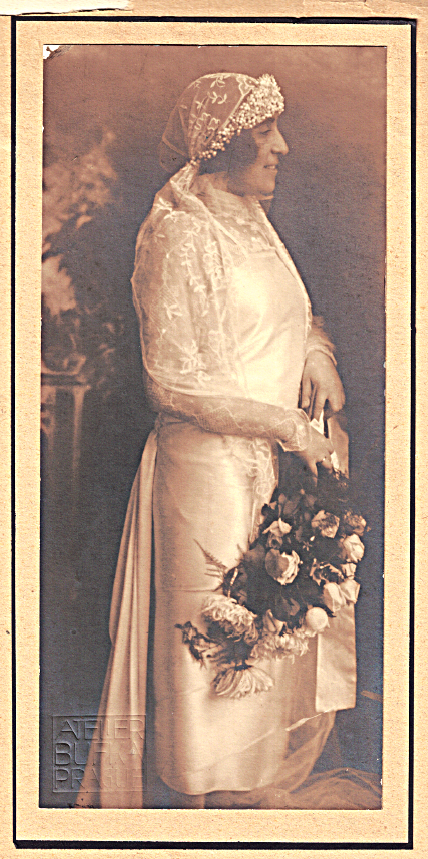
Hella and Leo were married in her mother’s house in Prague in 1923 with Hella wearing a magnificent creation made by her mother.
The Himmelhof Years: Joy and Grief
Hella thrived at the Himmelhof. She called her patients a “kaleidoscope of people”—each one carrying a story, each one offering a glimpse of a world wider than any one person could otherwise see. She was in her element: curious, social, managing a household and a staff and a ceaseless flow of guests from across the continent.
Hella soon found out that Leo didn’t actually own the Himmelhof—he only rented it. He was also a poor businessman who loved to gamble and speculate on stocks, running up an enormous debt that Hella paid back with her dowry. Upon learning of her daughter’s financial situation, Hella’s mother bought the Himmelhof outright and put half in Hella’s name and a quarter each in her and Ada’s name.
In 1925, Hella and Leo welcomed a son. Before he turned two, Hella noticed bruises covering his small body. The diagnosis was leukemia. Bobby died at four years old. Hella was devastated. She did not speak of it easily, even decades later. She carried the grief as she carried most things, by continuing.
In 1927, Willy was born and four years later, Nelly arrived.
Aside from the health of the children and the financial worries, Hella’s marriage was “not too bad,” but she felt no need to be loyal to her husband and had several affairs, none long-lasting or very serious.
1938: When the World Changed
The Mautners had not paid much attention to what was happening in Germany. They felt Hitler was just an upstart. “How could the Germans be taken in by a man like that?” they thought.
In the spring of 1938, Hitler annexed Austria; the Wehrmacht marched in, and Austria disappeared. For the Jews who lived there, the world transformed overnight.
On March 11, 1938, the concierge downstairs at the Himmelhof heard the cars. Nazis entered the lobby demanding the keys to the cash box in the office. Leo explained that the cashier had taken the keys home. It was not true, but the Nazis believed him; however, they confiscated their car and took all of the wine in the cellar. From that time on, the familiar fabric of their lives unraveled thread by thread.
Leo’s mother, a Czech citizen, left Vienna and moved in with her daughter in Brno, Czechoslovakia. Leo and Hella were Austrian citizens, so she urged them to leave, too. But Leo remained optimistic. He got along well with the Nazi commissar and thought the whole thing would blow over. Because Hella was in love with the Himmelhof, it didn’t take much to convince her to stay. They were not hurting financially: their rooms were filled with those too scared to stay in the city center.
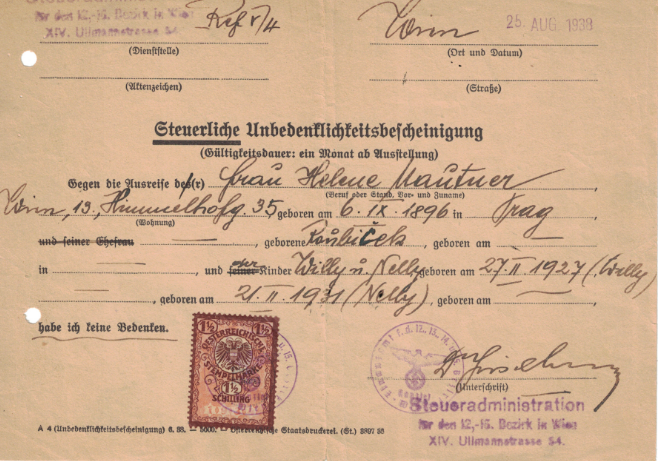
It was Hella’s brother Roby who forced the issue. He came from the US with affidavits for the entire family, enabling them to apply for US visas. Leo continued to resist, but Hella knew that optimism was now a luxury she could not afford.
Although Leo and Hella both had Austrian citizenship, the US Consul in Vienna said they would both be processed as Czechs since they were both born in what was now Czechoslovakia. That quota was smaller than for Austrians, but part of the Czech quota was dedicated for applicants outside the country like them. The waiting time in Prague for Austrian citizens to get an American visa was more than two years. As “Czech citizens,” theirs came in six months.
The family had to get to Czechoslovakia in order to leave, but the Czechs were no longer allowing Austrians to enter their country. So Hella’s brother-in-law, Artur Steinhauer, brought forged passports from Prague that he purchased for $10,000. Leo was still not leaving.
Leo finally changed his mind when the Nazi commissar decided to take over the sanitorium. Now they HAD to go.
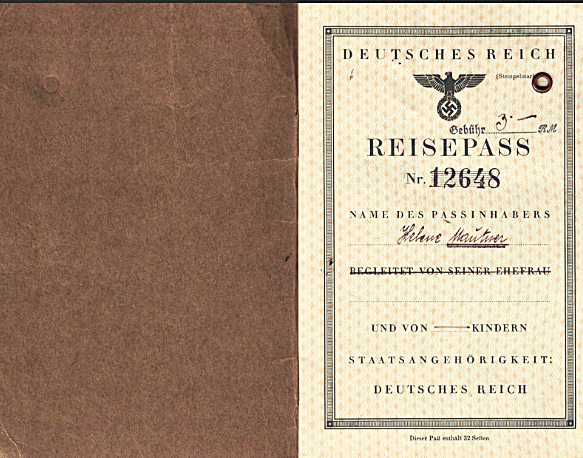
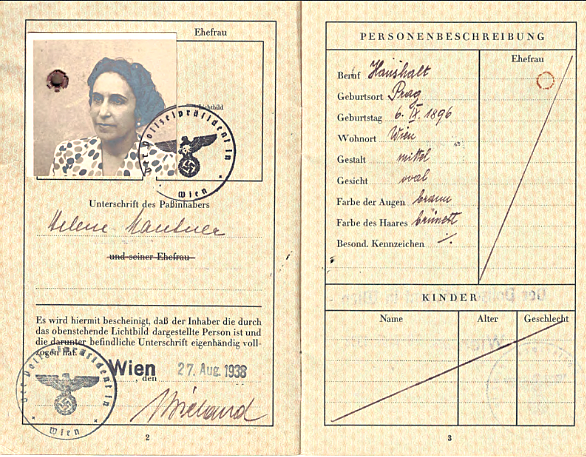
The day they left the Himmelhof, they told no one. Each carried only a small overnight bag and 20 shillings (about $2). When Hella finally looked at their forged Czech passports, she almost turned back. One was a genuine passport of a tailor who had a full head of blond hair. They had pasted in Hella’s picture as his wife. But Leo had black receding hair and did not resemble the picture at all. The children’s passports had Nelly as four years older than Willy, which was the reverse. And Nelly’s first name was listed as “Brünnhilde.” The Czechs hated Wagner and this was a Wagnerian character.
A pre-arranged car picked them up in the city, along with others they did not know. For two hours, no one spoke. At the Austrian border, Nelly and Willy were instructed to pretend to be asleep. Although the Austrian border guards had been bribed, the passengers were still questioned thoroughly; their belongings were examined; and the women had to strip naked to make sure they were not smuggling. Then a Nazi officer drove up. The guard explained that these were just Czechs returning from a weekend in Vienna. The Nazi asked to see their passports, and he saw that Leo’s photo was all wrong. The border guard didn’t want to get in trouble for helping refugees, so he told the Nazi, “It’s none of our business. They’re Czech. We searched them, and they have nothing. Let them go.” And they did!
The car took the Mautners to Leo’s sister and mother in Brno where they stayed only one night. Artur sent his chauffeur to bring them to Prague. German troops were massing along the Czech border, and the Czech Army was mobilized.
In the meantime, people were leaving Prague for the safety of the countryside, so Hella’s mother’s chauffeur took Hella and the two kids to an inn in the middle of nowhere. Leo refused to go. The food situation was dismal, and in the rush, no warm clothes had been packed, so Hella’s mother brought them back to Prague.
After returning to Prague, Willy was sent to a German school, and Nelly was sent to a boarding school. Hella worked in a big hotel in Prague learning how to prepare food. All the while, Leo and Hella were trying to get their investment out of the Himmelhof in order to have funds for their journey to America.
After only 6 months, with visas in hand, they booked passage on a Dutch ship departing from Rotterdam on Nelly’s birthday. They flew there directly from Prague to avoid the Nazis.
Hella, Leo, Nelly, and Willy arrived in the US on March 14, 1939. The Nazis entered Prague the following day.
Hella’s sister Ada and her husband refused to leave Prague. In October 1941, they were sent to the Lodz Ghetto with their two children. After enduring two years in the ghetto, they were deported to Auschwitz and gassed. Hella’s mother stayed behind to be with her daughter, but she was deported to Theresienstadt in July 1942, then gassed at Treblinka three months later.
Birmingham: Starting Over at Forty-Three
The Mautners arrived in Birmingham with almost nothing. The apartment they rented was barely large enough for three, so Nelly stayed with Uncle Roby, whose daughter Ruth was about the same age.
Leo spent his time learning English and studying for his US medical boards, hoping to open a sanatorium as he had had in Vienna.
Hella quickly understood something her husband had not yet accepted: Leo was not going to support this family; she would have to. “My elegant grandmother, who was used to high society and wearing expensive jewelry and fancy fur coats, cleaned hotel rooms [at the Tutwiler Hotel] to make ends meet,” recalls her granddaughter, Lynn Urbach.
The Tea Room
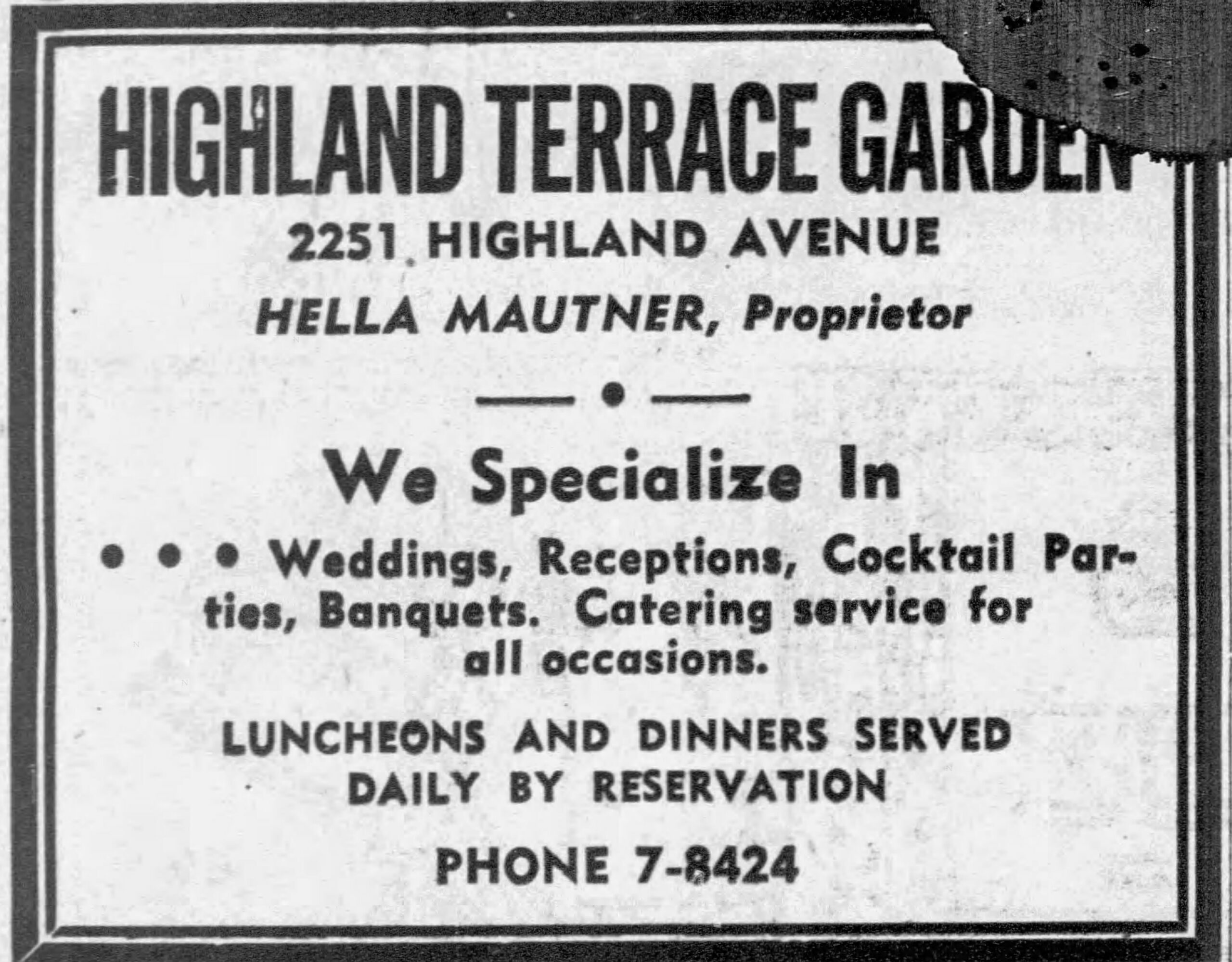
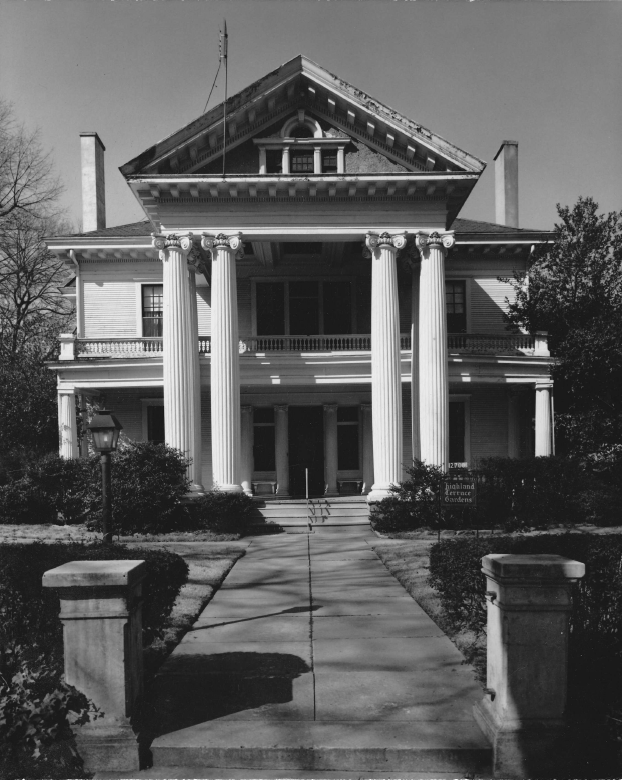
With the help of Roby, Hella rented a house at 2251 Highland Avenue called Highland Terrace Gardens that also operated as a Tea Room. There was space enough for the family, boarders, and ultimately Leo’s patients. The family moved in the next day.
But Leo’s dreams never actualized. In September 1944, five years after coming to the US, the family was in the courtroom for their citizenship hearing when Leo collapsed and died of a heart attack. His train ticket to New York to take his medical boards the next week was in his pocket.
The Tea Room became Hella’s life. Guests came. Then more guests came. Requests arrived for brunches, luncheons, and private parties. Each one was a success. What had begun as necessity became, in time, a genuine institution—a gathering place for Birmingham society, run by a Czech immigrant who had fled Europe with four suitcases and a ferocious will to survive.
By 1949, Hella was able to buy the Tea Room. Then in the early 1950’s, developers wanted the property to build Highland Towers. If she could make a good profit and find something better on Highland Avenue, Hella agreed to sell. The old Aland home at 2708 Highland Avenue became available, and the developers agreed to all of her requests for upgrades. Hella operated the business until 1972 when she retired and found an apartment nearby on Highland Avenue.
The Years After: Family, Legacy, and Farewell
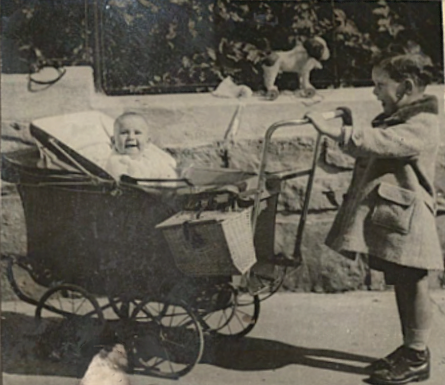
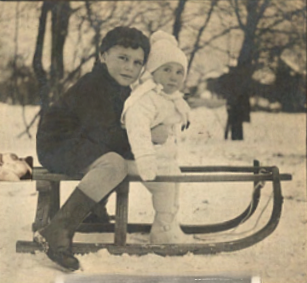
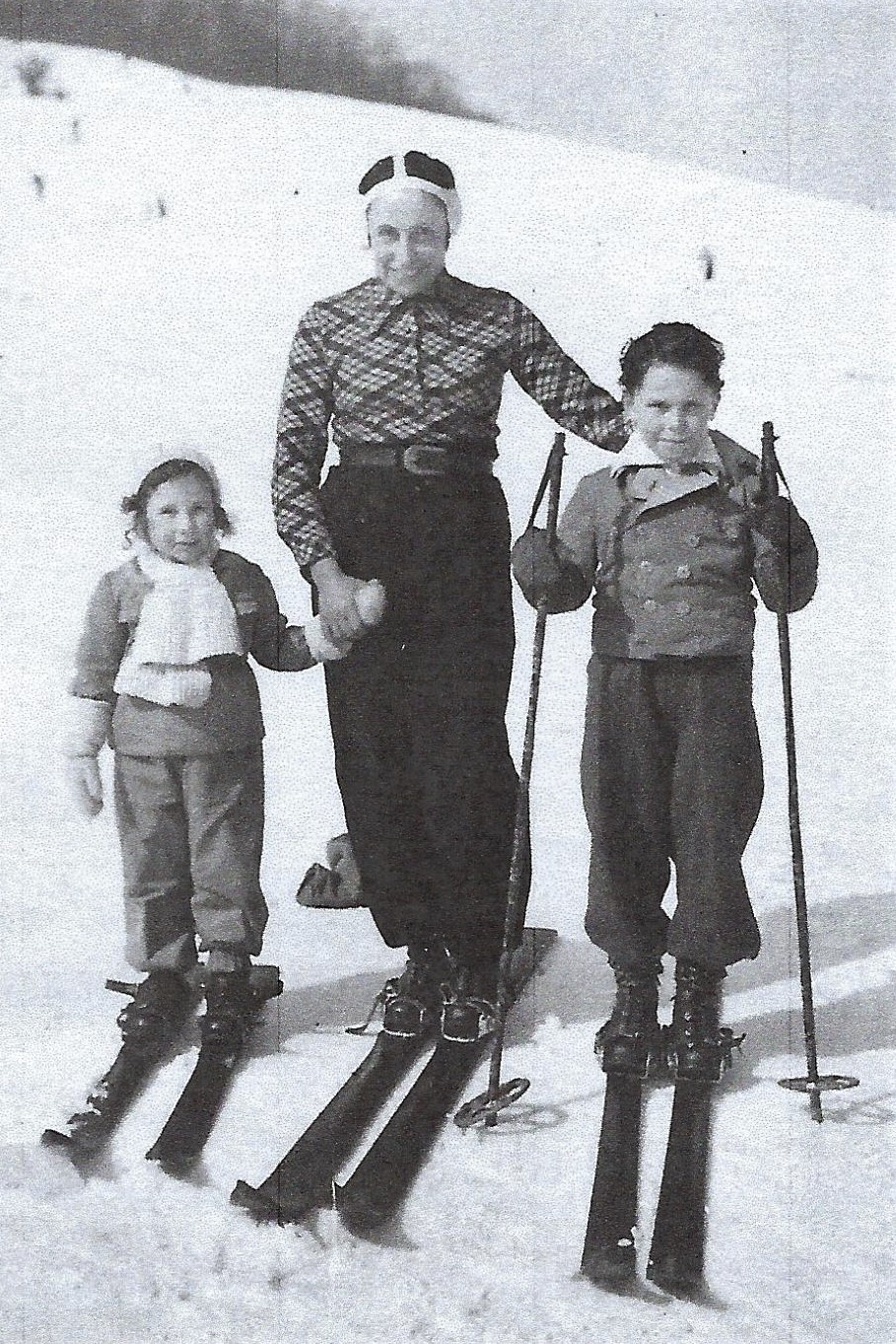
Willy and Nelly grew up as Americans. Willy graduated and went on to Northwestern, then Harvard for his doctorate. Nelly attended Syracuse before transferring to Birmingham-Southern to help her mother run the Tea Room. Both married; both thrived. Nelly had two children—Lynn and Jeffrey. Willy adopted two children of his own—Henry and Polly.
Although Hella retired in the 1970s, she continued to have a very full life in Birmingham, spending time with friends and entertaining. When she found time, she would visit Nelly in Washington, DC and Willy in New York, growing closer to her grandchildren. Doting on children was a new experience for Hella, as her own early years of motherhood in Vienna were consumed with running the Himmelhof.
The last celebration she attended was Lynn’s graduation from Bryn Mawr College. She came home, and her health began to fail. She moved to Nelly’s house in Washington, DC, where she spent her final months surrounded by family.
Hella Mautner was born into privilege and stripped of nearly everything. She lost a child, her homeland, her mother and sister, and nearly 60 close relatives to a horror she could not speak of easily. And yet she kept going, recalling, “I didn’t have time to reminisce or feel sorry for myself. I had to worry about educating my children and making a living.”
Hella Mautner died on November 2, 1983. She was eighty-seven years old. She donated her body to the Georgetown School of Medicine.
Click on any image below to enlarge and view captions.
All photos on this website are the property of the Alabama Holocaust Education Center archive. Please contact us for permission before using or sharing any images.
09/06/1896
Prague
Arnŏstka (Ernestine, “Tina”) Popper
(06/01/1869 Královice, Austria-Hungary – 10/22/1942 Treblinka)
Julius Roubiček
(0/30/1870 Prague, Austria-Hungary – ?)
Married 03/24/1895 Prague, Austria-Hungary.
Divorced 1909.
Josef “Roby/Pepo” Roubiček (Spouse #1: Leta Beitman; Spouse #2: Beatrice Bundy Cole)
(01/28/1898 Prague, Austria-Hungary – 12/1981 New York City)
To US 1923; To Birmingham 1926.
Adéla “Ada/Alice” Roubičková (Spouse: Dr. Artur Steinhauer)
(03/29/1899 Prague, Austria-Hungary – after 1941 Lodz)
Deported to Lodz Ghetto 10/21/1941 with her husband and 2 children, Tomáš (age 5) and Eva (age 8).
All murdered by the Nazis.
Dr. Leo Mautner
(03/03/1891 Brno, Austria-Hungary – 09/02/1944 Birmingham, AL)
Married 12/09/1923 in Prague.
Boby Mautner
(1925 Vienna, Austria – 1928 Vienna, Austria)
Died from leukemia
William “Willy” Mautner (Spouse: Norma Ham)
(02/24/1927 Vienna, Austria – 06/21/1996 New York City)
Nelly Mautner (Spouse #1: Stuart Urbach; Spouse #2: Paul A. Caldwell)
(02/21/1931 Vienna, Austria – 9/13/2024 Bethesda, MD)
1939-1983
Sponsored by Josef “Roby/Pepo” Roubiček, Hella’s brother, who had been in Birmingham since 1926.
Hella, in turn, sponsored her nephew, Robert “Bobby” Steinhauer, to come to Birmingham after the war; the remainder of his family perished.
1939-1983
Hella by Nelly Mautner Urbach and Willy Mautner
A family memoir.
Memoirs of Hella Mautner / June 1980 / Birmingham Memory Bank Project
Leo Baeck Institute | Hella Mautner Collection (AR 10299)
https://archives.cjh.org/repositories/5/resources/14414
US Holocaust Memorial Museum | Mautner and Steinhauer Family Papers
(Accession No. 2020.386.1)
https://collections.ushmm.org/search/catalog/irn761942
Includes family photo album created by Artur Steinhauer.
Collection is currently not digitized.