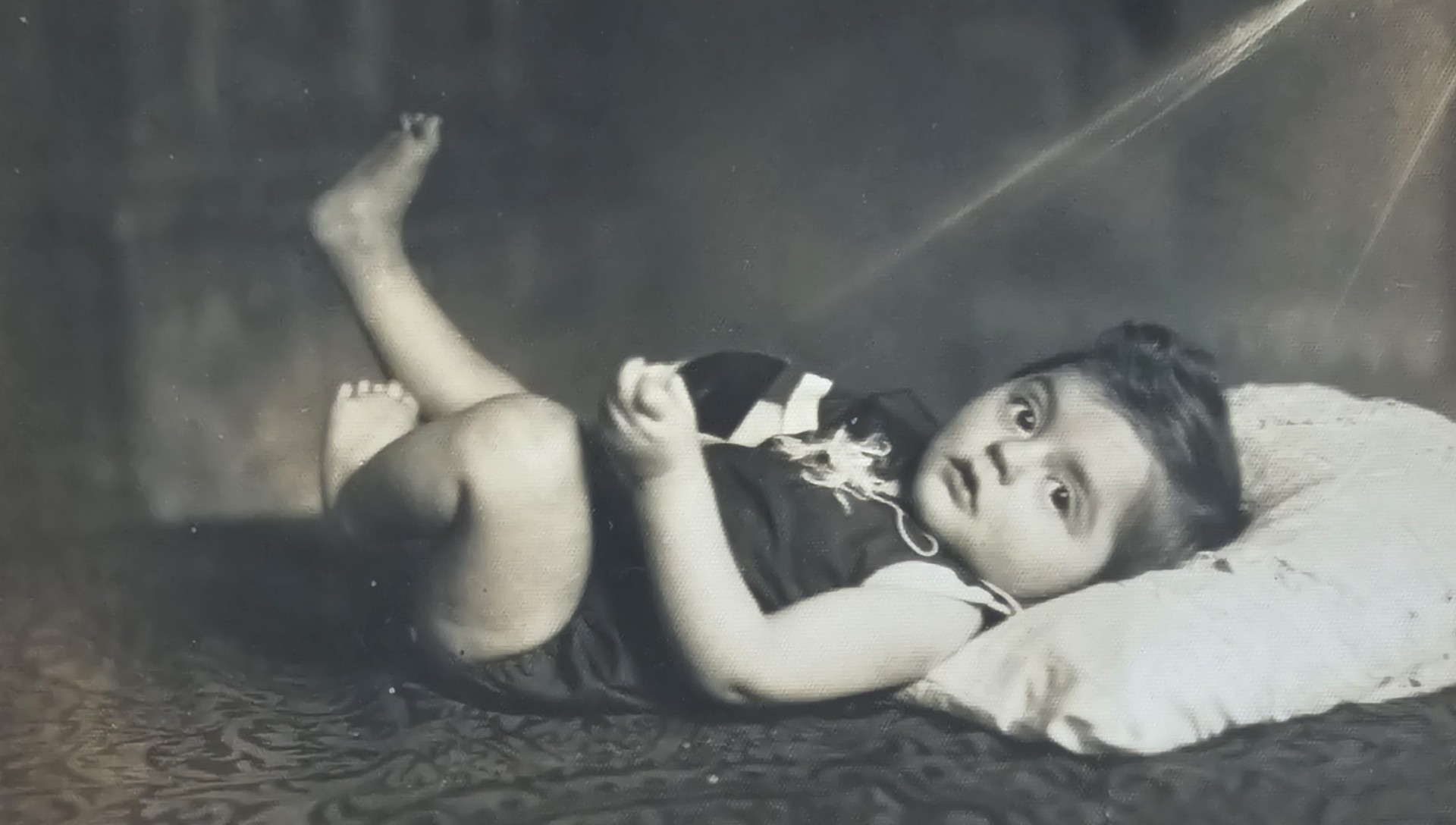
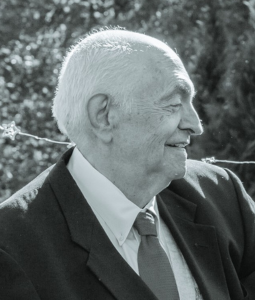
Izaia Schächter, affectionately known as “Jachi,” was born in 1937 in CernăuŁi, Romania, the capital of the province of Bukovina. As a young child, Izaia was raised in a religious household, but that would soon change.
During the summer of 1940, Bukovina was annexed by the Soviet Union, and traditional Jewish life was restricted. Many Jewish leaders were deported to forced labor camps. By November, Romania had allied itself with Germany, and in June 1941, Romania and Germany invaded the Soviet Union (including Bukovina).
When CernăuŁi was occupied by German and Romanian soldiers in July, Jewish men and women were terrorized, Jewish property was plundered, and approximately 2,000 Jews were murdered. The imposing Jewish synagogue in downtown CernăuŁi was set on fire, and some 400 Jewish leaders were all shot near the Prut River. During these early months before ghettoization, there were ad hoc round ups of Jews for forced labor. Jews were forced to clean up streets and remove debris from the main roads. Some women were taken to clean German and Romanian military barracks, whereas other male workers were enlisted for a German- coordinated dam construction project on the Prut River. By the end of the month, Jews were required to wear a yellow star.
On October 11, the Jews of CernăuŁi were relocated to an area in the eastern part of the city, known as the Jewish district, which was designated as a ghetto. Izaia was only 4 years old when his family and more than 50 of his relatives were relocated. The Jews were permitted to take clothes and food into the ghetto, but only what they could carry. Before leaving, each household had to inventory its remaining possessions, lock their homes, and place the keys in an envelope to be handed over to the authorities. Representatives of the Romanian National Bank confiscated their belongings, and often their property. His only memories were that “we had a very bad life in this ghetto.”
A wooden fence with barbed wire surrounded the ghetto. Multiple families were forced to live in each home. Germans with guns were all around. Izaiah learned very early to stay away from the Germans. The same fearful question was on everyone’s face, “What now?”
Many of Izaia’s relatives were soon deported in brutal fashion to other ghettos and camps in northern Bessarabia where exposure, starvation, and disease abounded. Most were sent to Transnistria where they were made to do forced labor under extremely harsh conditions.
Izaia’s family was relatively fortunate. After less than a year in the ghetto, they were able to return to their apartment, but his father was sent to do back-breaking construction work at Târgu Jiu, a forced labor camp. Izaia remained home with his mother, who struggled to make ends meet by selling expendable household items for cash until her husband’s return near the end of the war.
In March 1944, the Russians took control of CernăuŁi. Those relatives who had survived deportation to Transnistria began to return, but no one spoke of the horrors they endured. Many made aliyah to Palestine shortly thereafter as part of a “sale of Jews,” a recruitment effort by the newly established state of Israel paying off Romanian officials to bring Holocaust survivors to Israel. A similar deal was cut with the German Free Democratic Party which paid exorbitant sums for ethnic Germans to leave the country. Ceausescu once said, “Jews, Germans, and oil are out best export commodities.” This created a new, anti-Jewish/German dynamic for those who chose to stay — Jews and Germans had a way out; native Romanians did not.
A year later, the Schächters moved to the Romanian city of Rădăuţi. Izaia, now 8 years old, saw this as the beginning of “nomal life.” He attended a Jewish school and later transferred to a public school where he studied accounting like his father. Life under the Communist regime, however, brought constant threats of arrest. Izaia recalled that many people were killed, but he “went to work every day.” One didn’t dare “speak too much” against the regime. And if you wanted to listen to “real news” like Voice of America, it had to be after 10:00 pm.
In 1951, Izaia’s parents re-visited the idea of moving to Palestine, but a few days before they were scheduled to leave, they received word that Chaim’s sister and her son had been killed by Arabs. With this shocking news, they cancelled their move and made Romania their home.
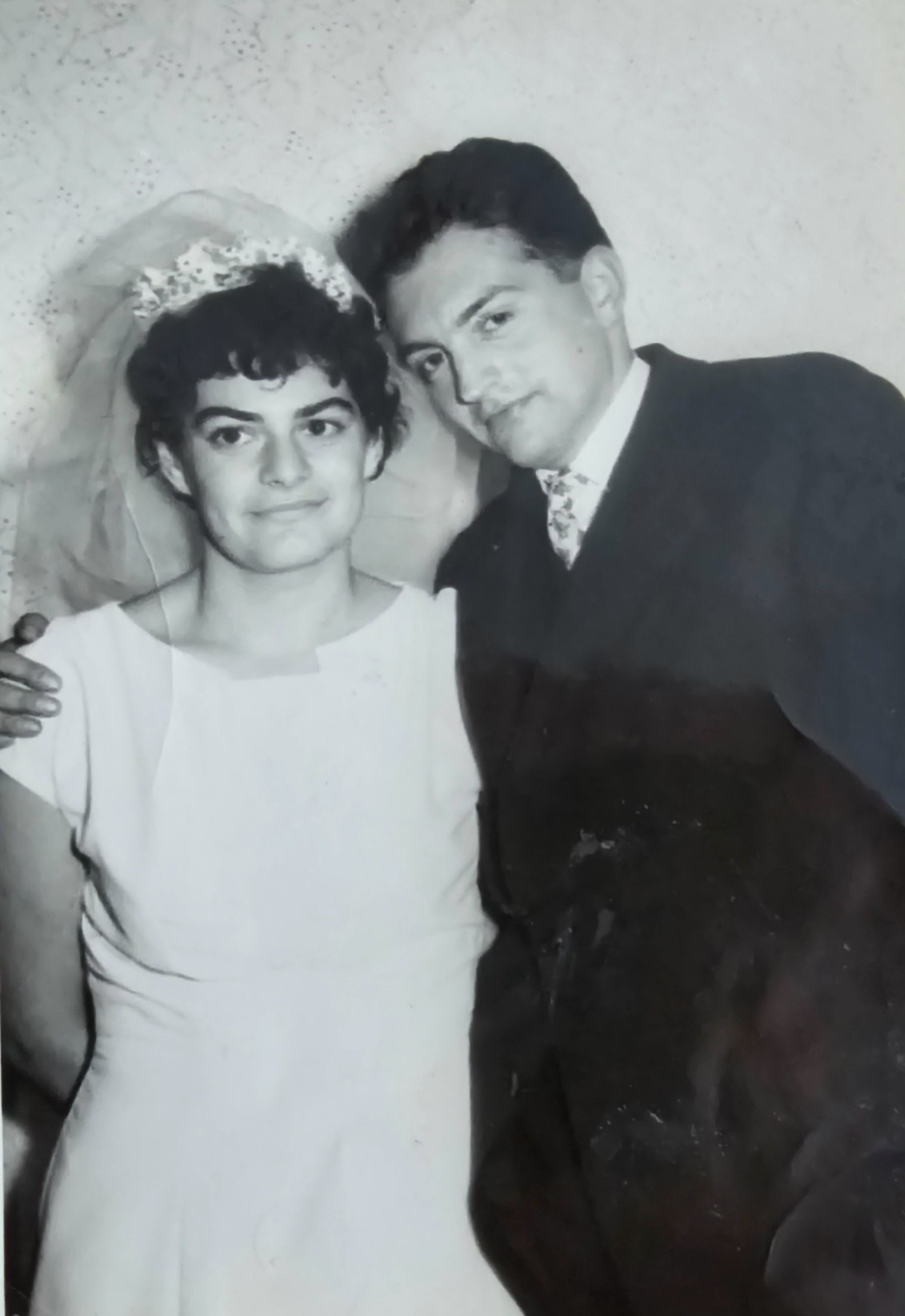
In 1957, Izaia’s father got a new job and the family moved to Suceava. Izaia, now 22, often returned to Rădăuţi to visit family and friends. It was during one of these visits that he met his future wife, Eti Feldstein. Eti’s grandmother lived in Rădăuţi, and their meeting was arranged by a traditional matchmaker. After only 7 “dates,” they were married in Bucharest in 1964 and made their home there. Izaia described life in Bucharest as “more or less normal.”
Izaia’s only son, Armand, was born in1969. Although Romania was still under communist control, young Armand was able to attend a religious school and become a bar mitzvah. He went on to attend a prestigious German school in Bucharest and received his medical degree in 1993.
The fall of communism in 1989 allowed Izaia and Eti to travel freely, but their son recognized limited advancement opportunities for a Jew in Romania and took his medical residency in New York. In 2018, Izaia and Eti retired and immigrated to Birmingham, Alabama, to be near Armand, now a practicing psychiatrist. Izaia embraced his new, proud “occupation” as the father of a doctor in America and a grandfather. His life is a powerful testament to resilience, hope, and the enduring power of family across generations.
Click on any image below to enlarge and view captions.
All photos on this website are the property of the Alabama Holocaust Education Center archive. Please contact us for permission before using or sharing any images.
05/01/1937
CernăuŁi
Sara Grill
(05/03/1912 Stăneşte, Romania – 06/07/1983 Bucharest, Romania)
Chaim Schächter
(06/07/1908, Pechenezhin, Austria-Hungary – 05/07/1987 Suceava, Romania)
None
Eti Feldstein
(05/21/1941 Galaţi, Romania – 10/27/2023 Birmingham, AL)
Married 1964 in Bucharest, Romania.
Armand Sorin Schachter (Spouse: Susanne Seaborn)
(08/14/1969 Bucharest, Romania – )
2018-2023
CernăuŁi Ghetto (Romania)
(10/1941 – 10/1942)
Russians / March 1944 / CernăuŁi, Romania
Izaia’s Maternal & Paternal Grandparents died in camps in Transnistria
Armand Schächter (son)
2018-2023