A Note From Amy McDonald
AHEC Director of Education
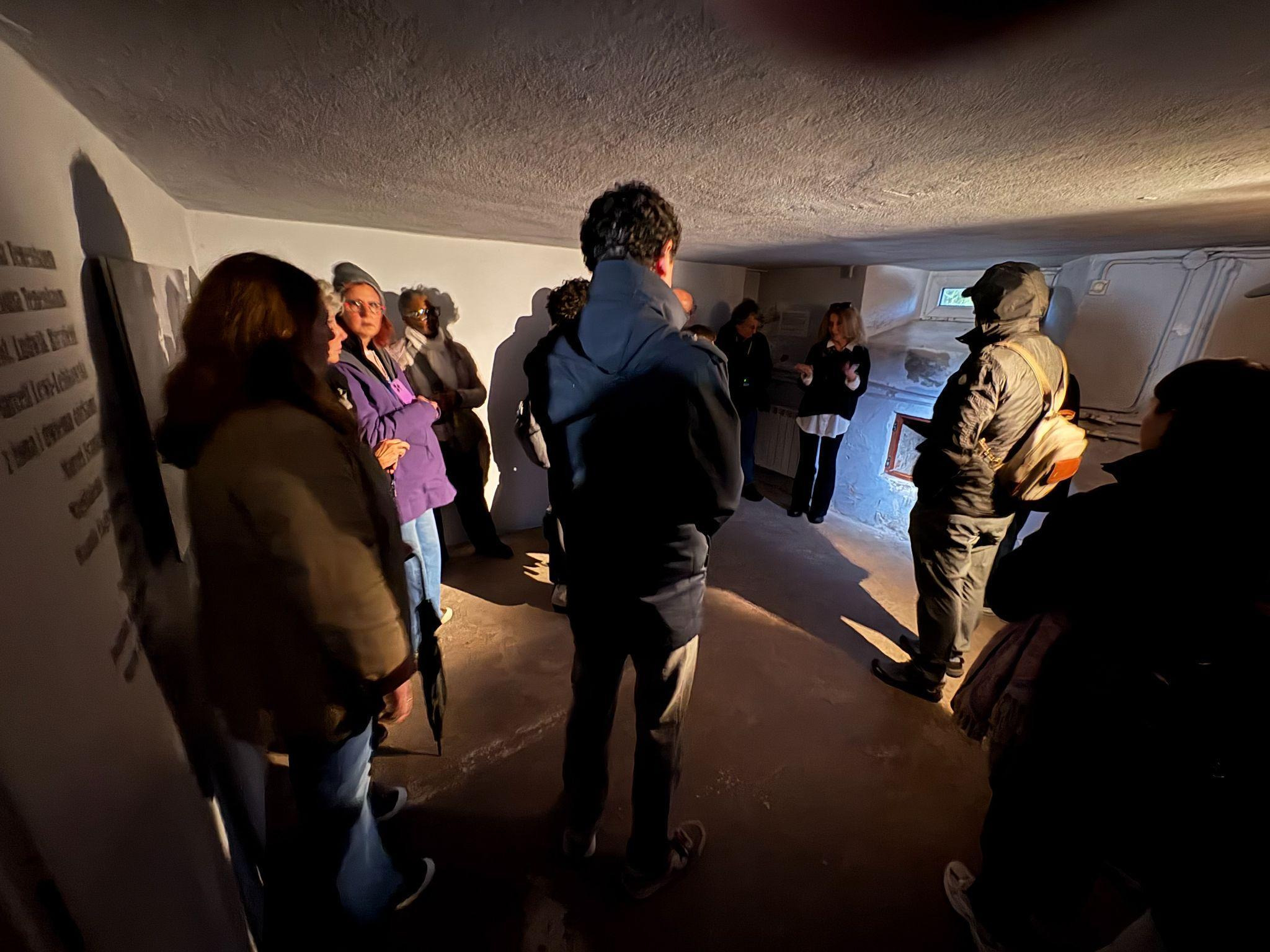
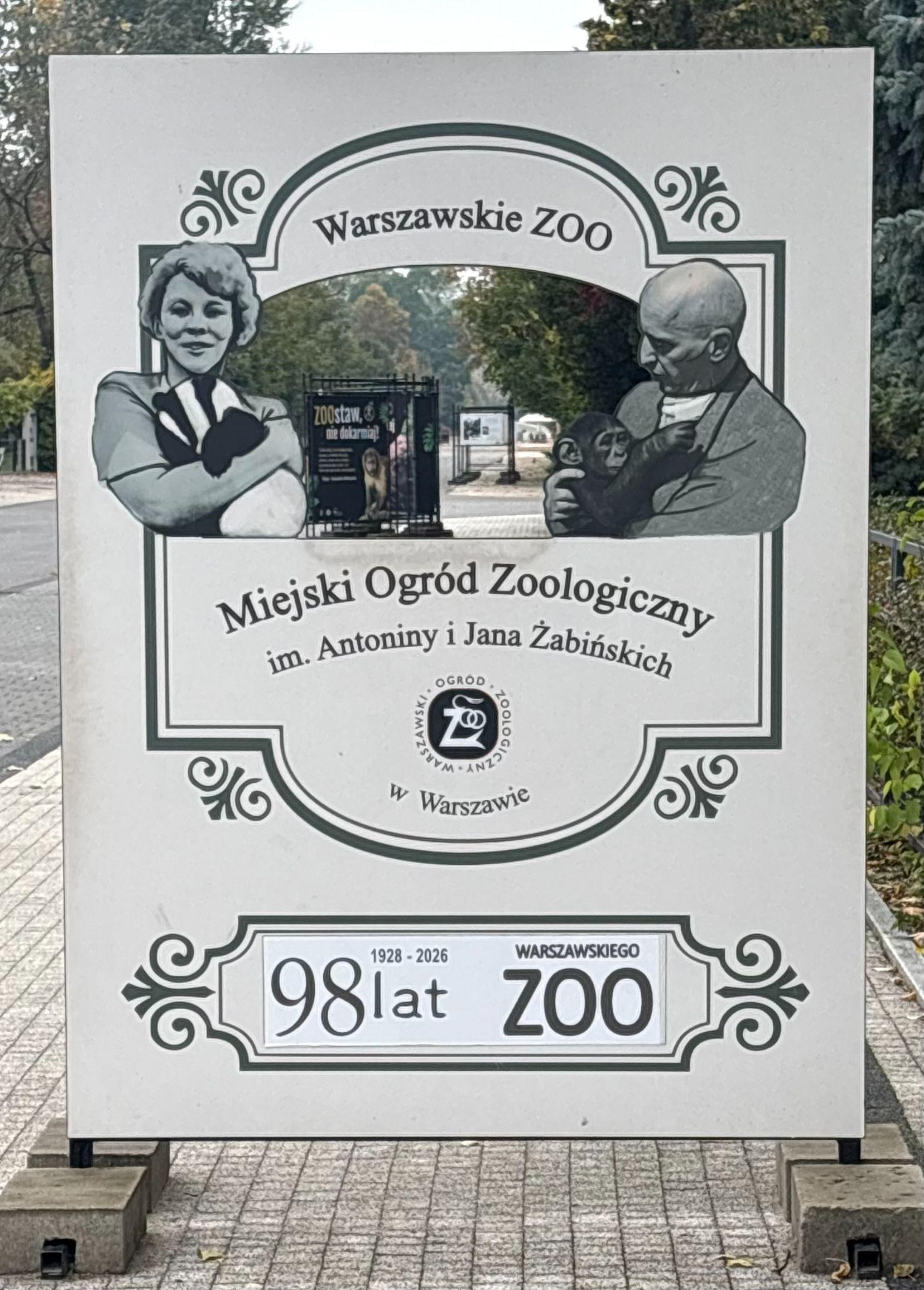
I had read the book and seen the film, The Zookeeper’s Wife, based on the true story of Antonina and Jan Zabinski, then director of the Warsaw City Zoo. The book and film are inspiring, but I don’t think the reality of this powerful example of personal sacrifice and human goodness hit home until now. Our AHEC Engage group visited the Zabinski home, located inside the Warsaw City Zoo.
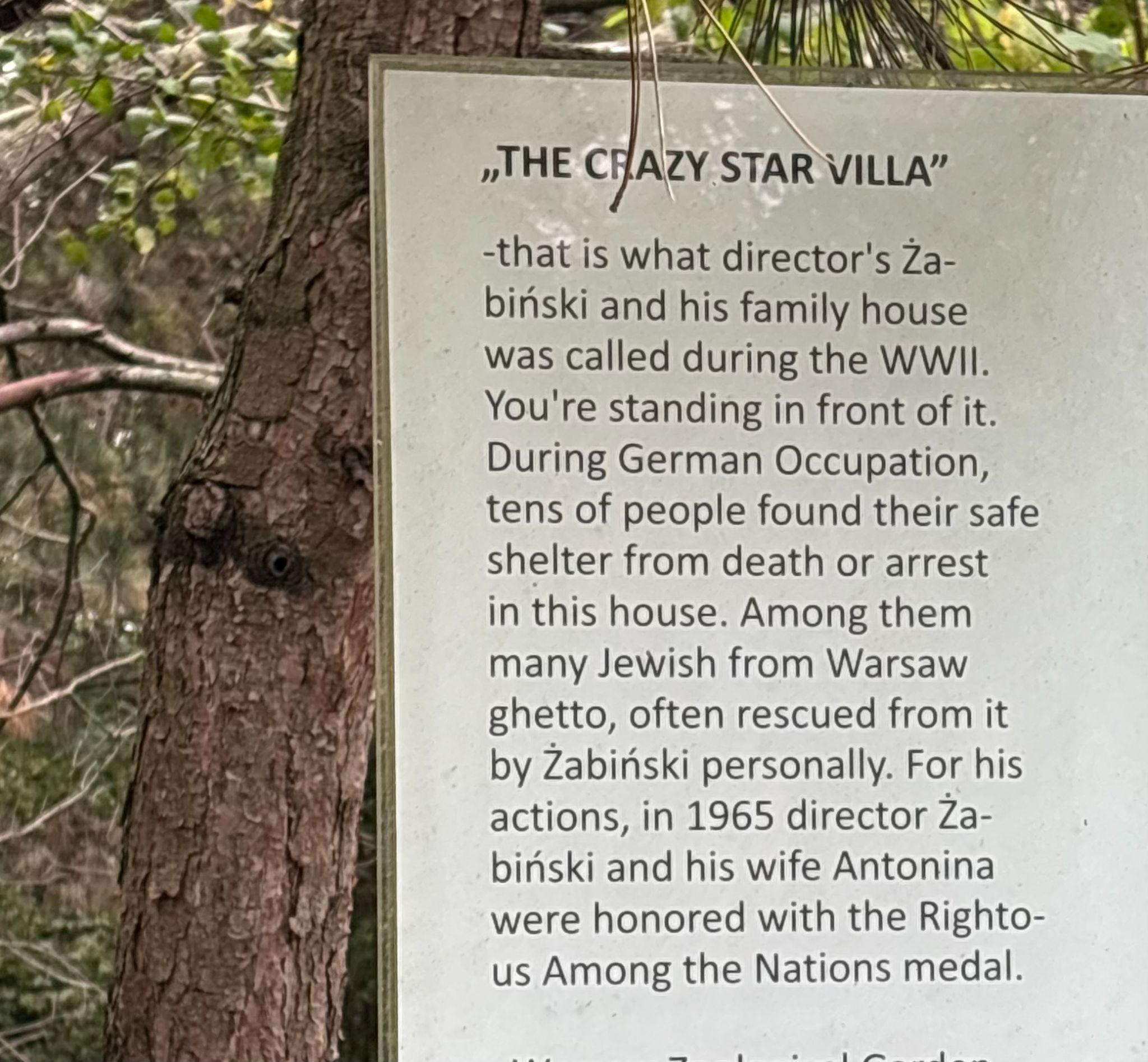
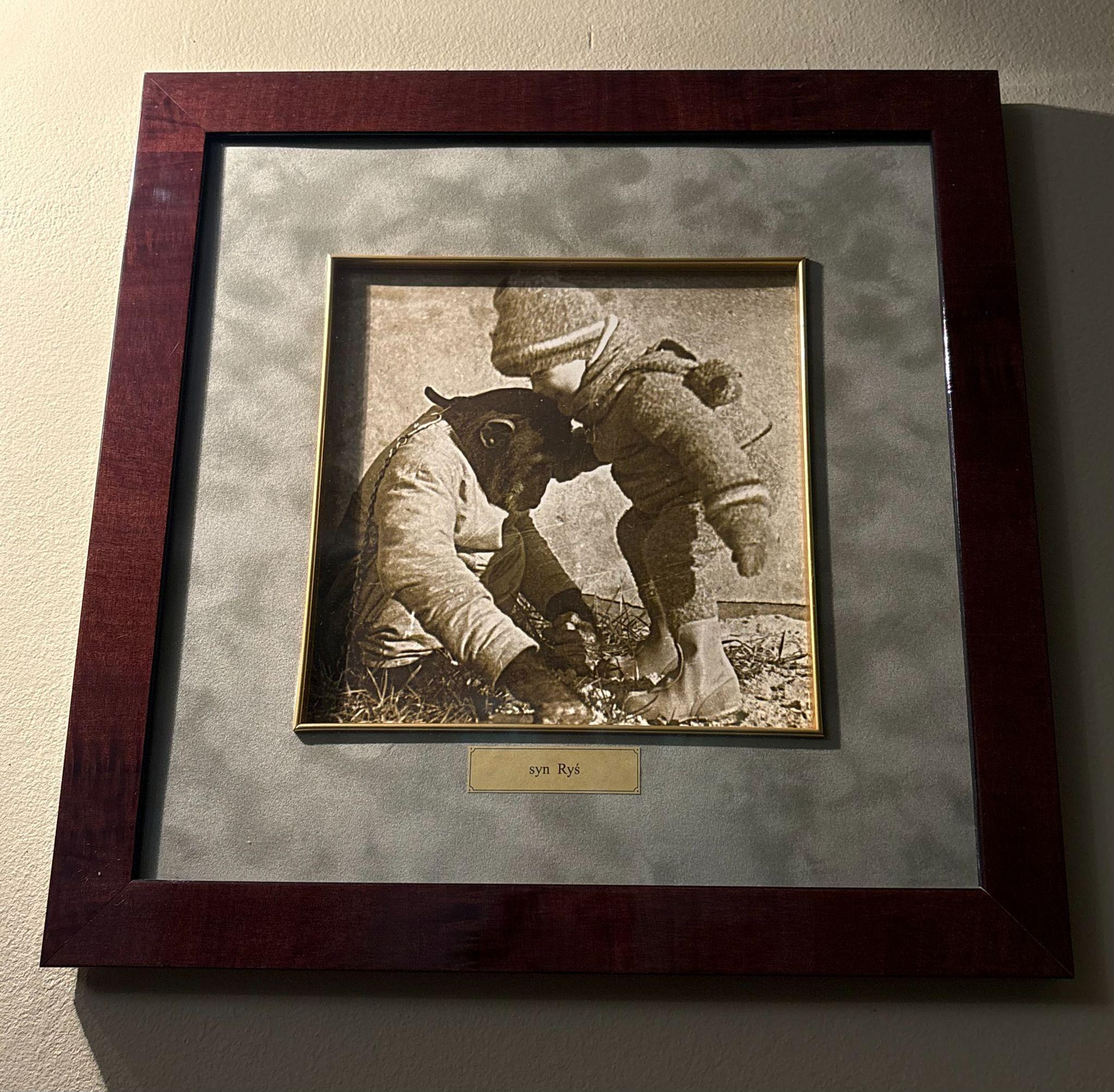
During the 1930s, it was a home filled with family, friends, music, animals, and children. People called it the Villa Under the Crazy Star. When Germany invaded Poland in 1939, parts of the zoo were destroyed and most of the animals were killed. The elephant, Tuzinka, the beloved special attraction of the zoo, was taken and sent to Germany.
After the Warsaw Ghetto was established in 1940, the Zabinski’s risked their own lives (and their children’s) to provide shelter and safety for Jews who escaped the ghetto. They stayed days, weeks, months, or even years as they waited for false documents and permanent hiding places.
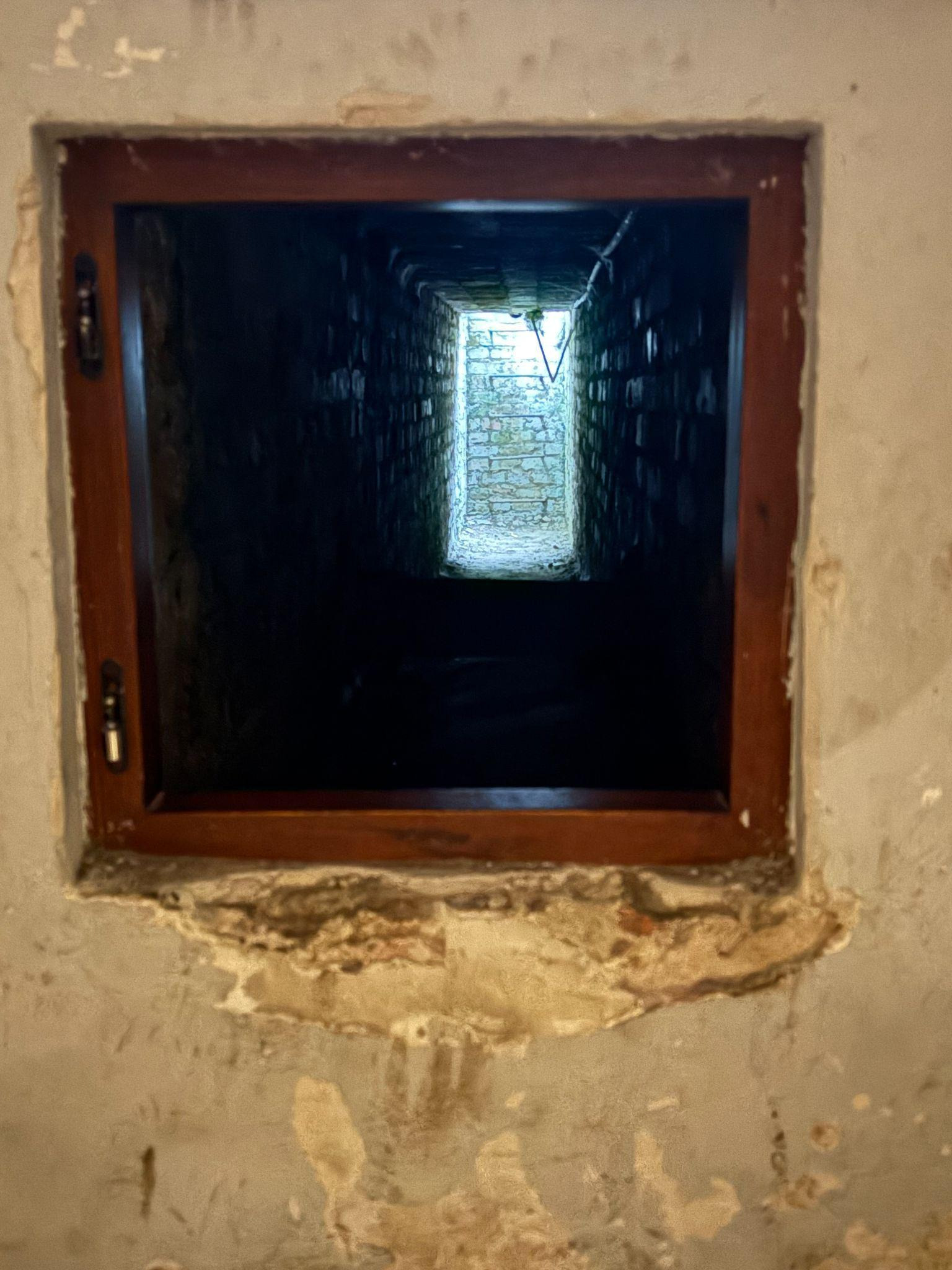
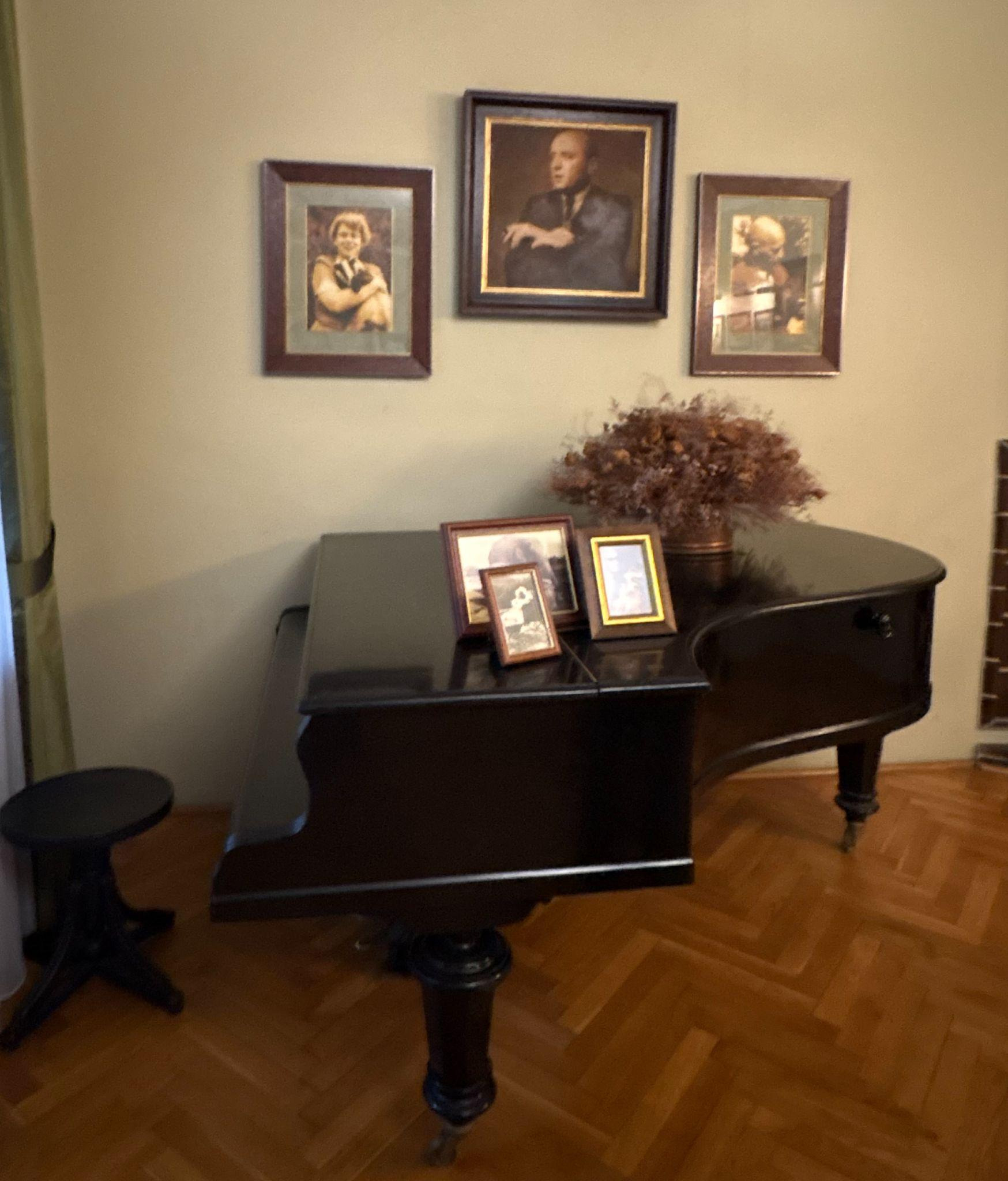
To avoid suspicion, Antonina insisted that the villa always remain open and accessible. Jews hid among animal food and storage in the cellar; sometimes even in animal cages. They had to be quiet at all times. There were codes and systems in place. Antonina loved music and was a pianist. Whenever she played a segment of “La belle Helene,” it meant German officials were about to enter and to hide in the cellar. Another segment of the song meant to leave the villa through the tunnel and hide in the surrounding gardens and animal cages. When it was safe to come back, Antonina played Chopin.
Throughout the course of the war, the Zabinski’s hid, sheltered, and saved 300 Jews. Among these was Rachel Auerbach (a huge hero of mine), one of the main contributors to the hidden Ringelblum Archive in the Warsaw Ghetto. She hid in the villa for nine weeks. While there, she gave one of her notebooks to Zabinski. He put it in a jar and buried it on the zoo grounds. In April 1945, Auerbach was able to come back and get her manuscript and publish it.
There is so much more to this story; more than I could ever write here. At the very least, maybe this makes you want to learn more about the acts of bravery and resistance of the Zabinski family.
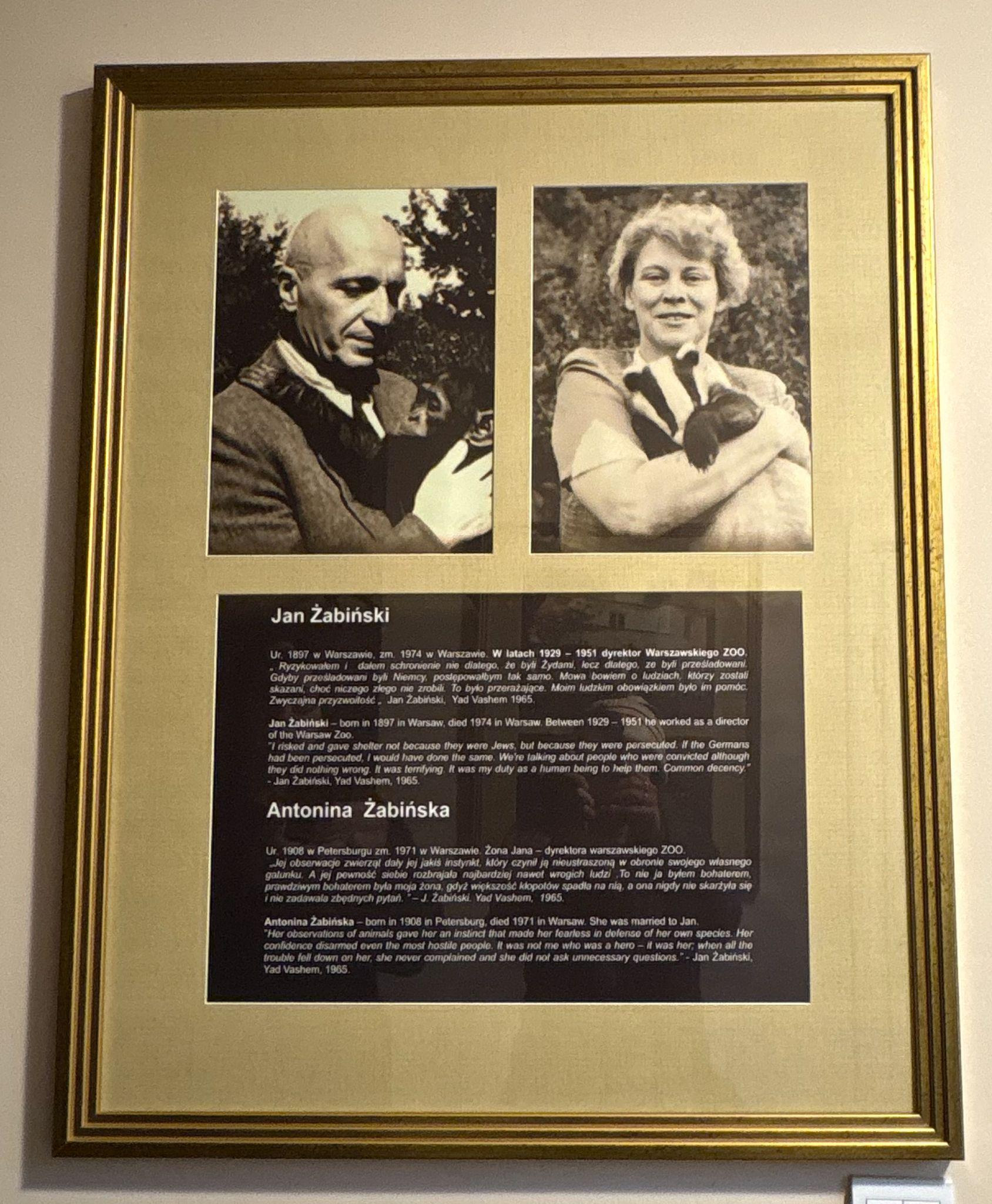
On September 21, 1965, Yad Vashem recognized Jan Zabininski and his wife, Antonina Zabinski, as Righteous Among the Nations.
“I don’t understand all the fuss. If any creature is in danger, you save it, human or animal.”
Antonina Zabinski
“…I risked and gave shelter to them not because they were Jews but because they were persecuted. If the Germans had fallen victim to persecution, I would have done the same thing. After all, it is people that we are talking about. People who had been convicted, even though they had done nothing wrong. That I found terrifying.
It was my obligation as a human being to help them. Nothing more but common decency.”
Jan Zabinski
1965 at the Yad Vashem Institute on receiving, along with wife Antonina, the title of the Righteous Among the Nations