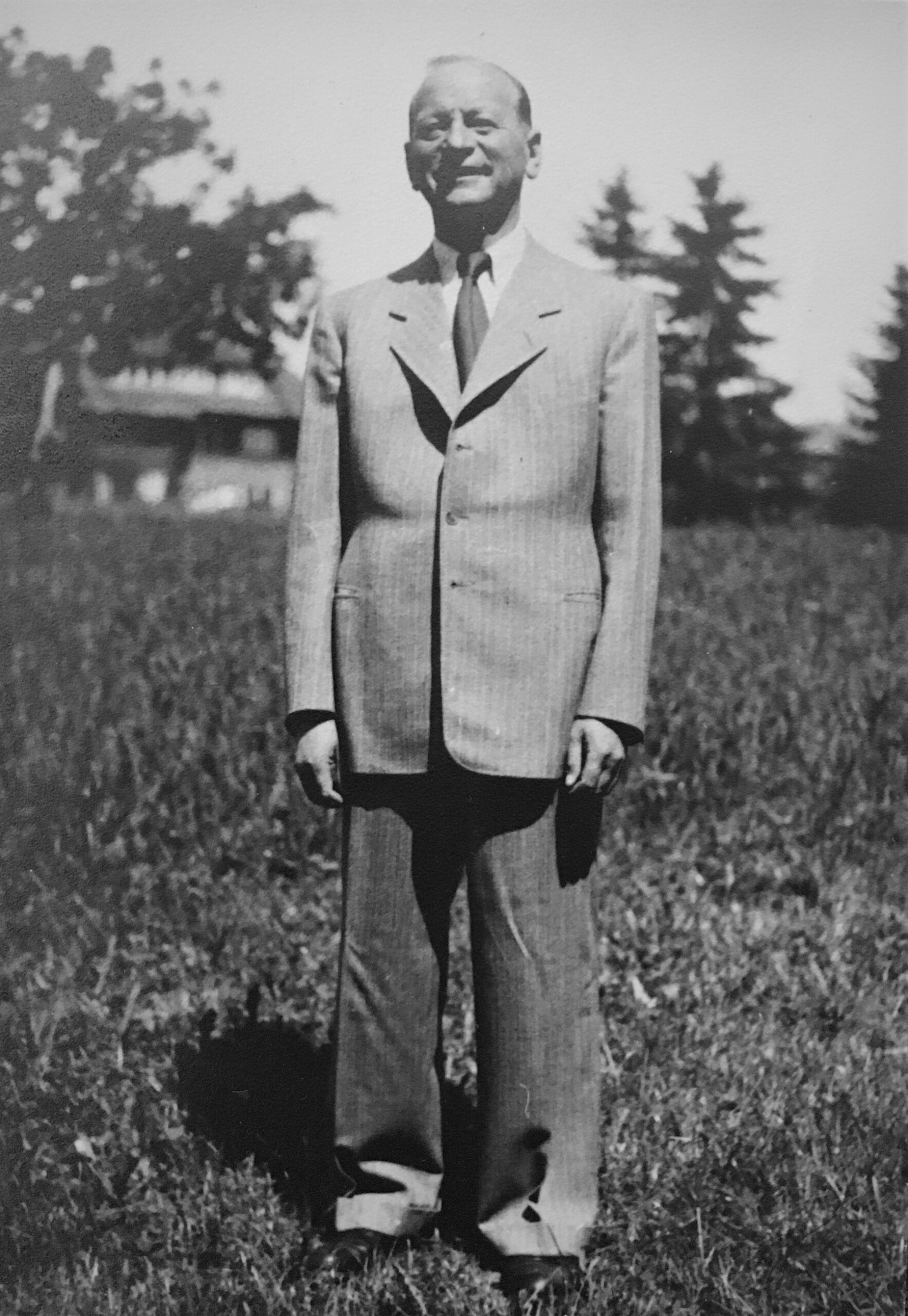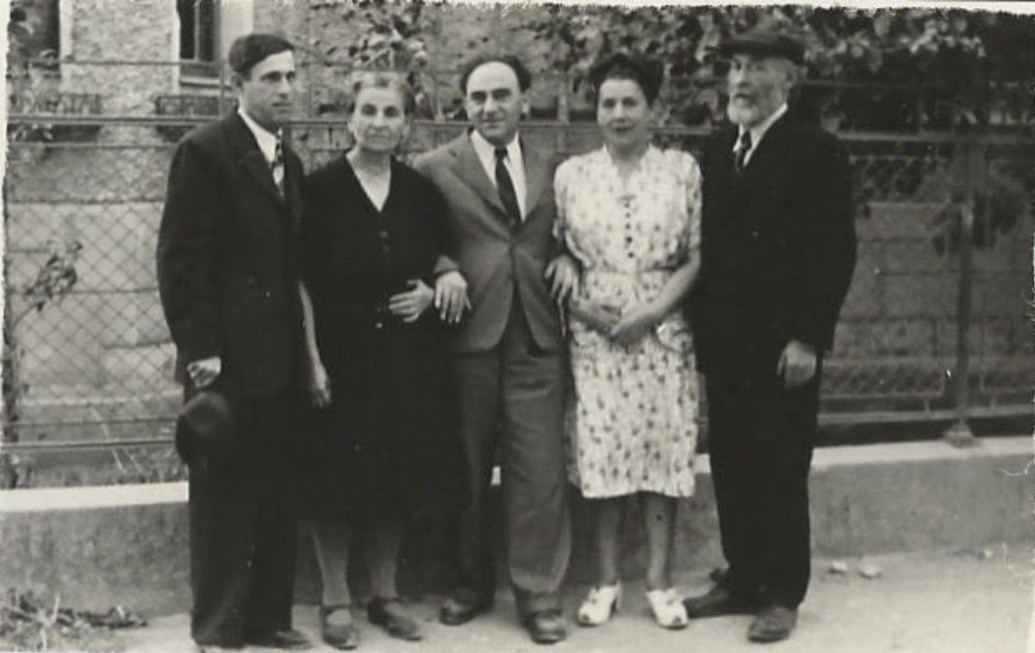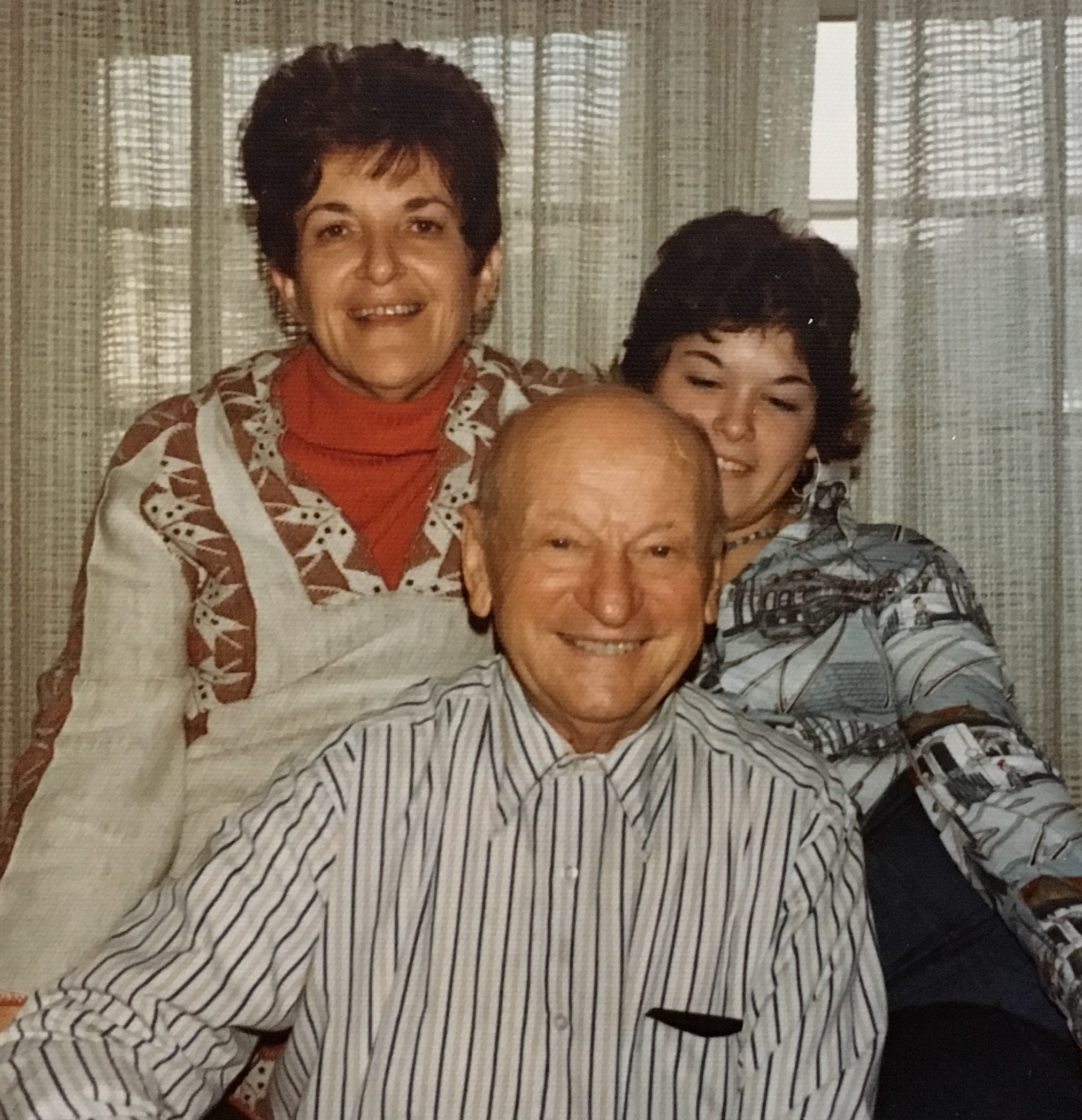
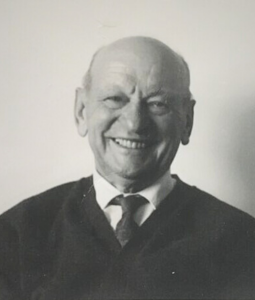
Abisch Billig was born on January 7, 1892 in Brody, Poland. For the majority of his adult life, he was a feather merchant, and continued to do so even after the war. In 1931, he married Cheine Gittel Silber, known as “Gusti.” She was born in Brody eight years after Abisch. The two of them moved to Leopoldstadt in Vienna after World War I for better opportunities, and for a better place to start a family.
Rita Billig, their first child, was born in 1933, and Ernst was born two years later, completing their family. The Billigs lived comfortably in their Leopoldstadt apartment until 1938 when German troops stormed Austria.
Kristallnacht was a night tainted with tragedy for almost every Jewish person living in Europe. The events that ensued were horrific, including the brutal burning of the Billig’s family synagogue. That same night, the Gestapo broke into the Billig house and arrested Abisch. Gusti immediately fainted. He was released three days later and told to leave Austria, but was never sent to a German concentration camp. The circumstances of his release are still unknown.
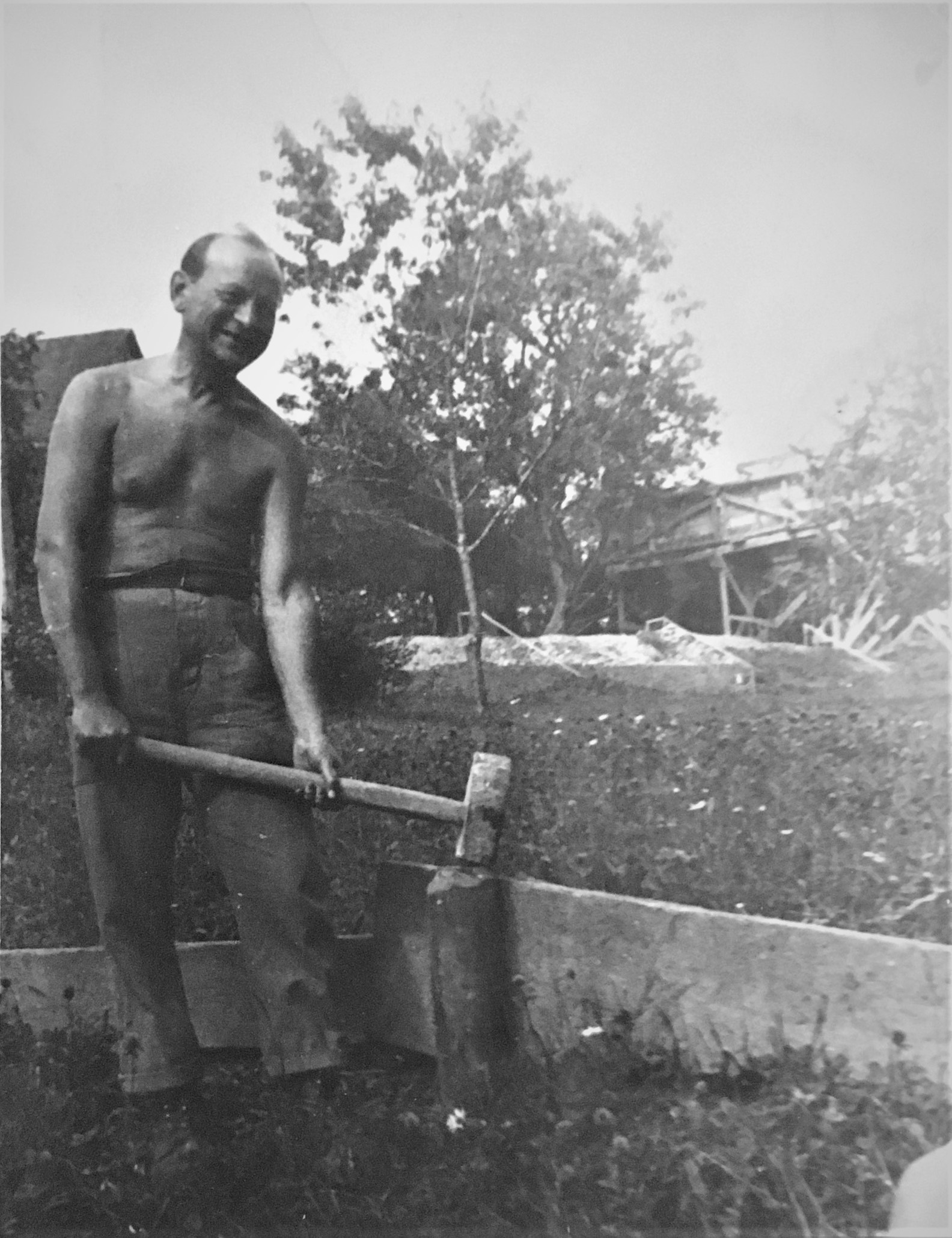
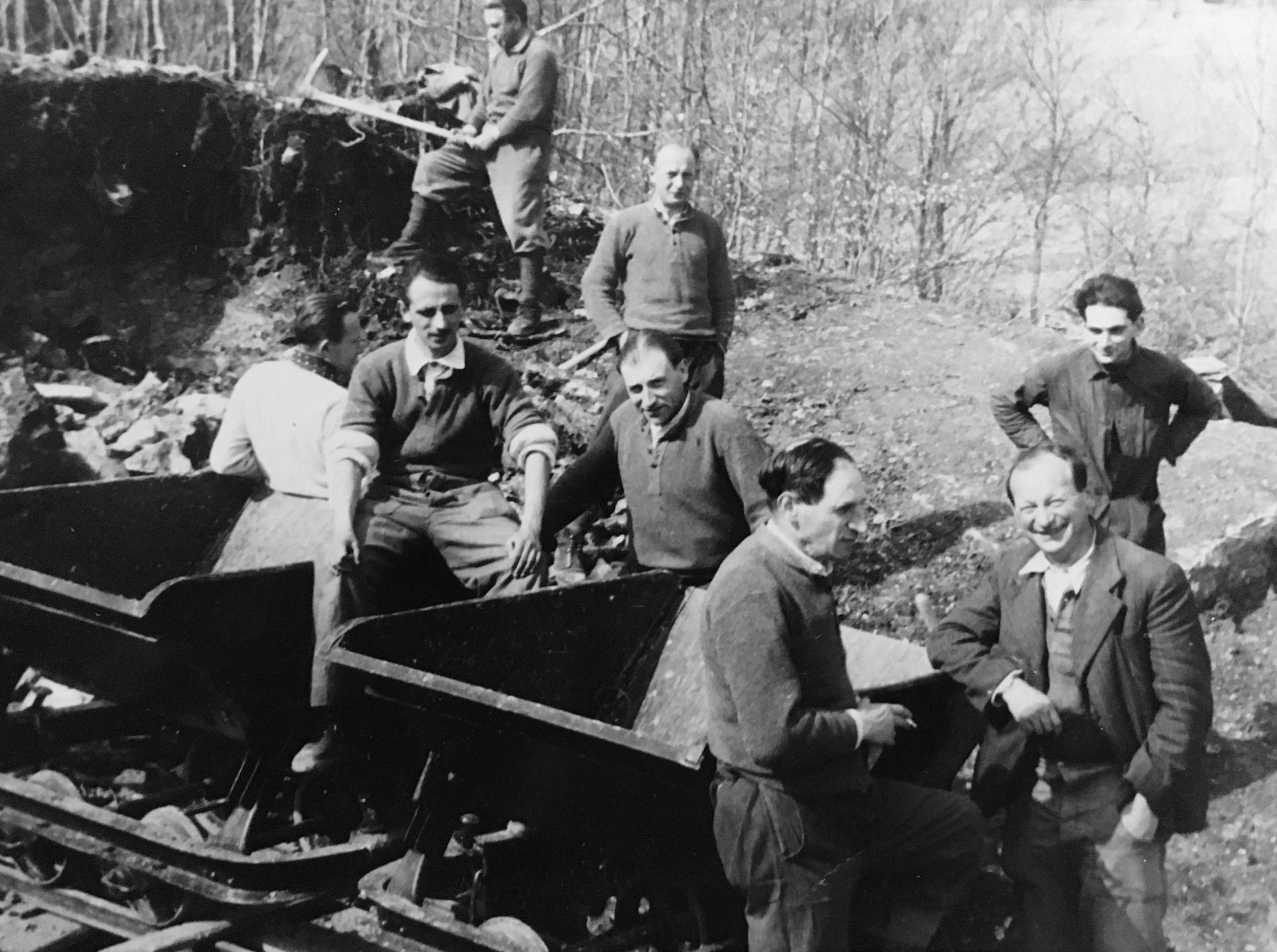
Abisch had no time to flee Vienna legally, so he obtained illegal papers and made his way to Switzerland. The plan was for him to settle down there, then to send for his family. However, things didn’t quite work out as planned. In an attempt to keep the peace with Germany, Switzerland agreed to set up labor camps for all Jewish refugees that entered. Abisch was interned as soon as he arrived, spending the first few years in the Felsberg Internment Camp, then in 1941, he was moved to the Thalheim Internment Camp. Day in and day out he performed excruciating labor until 1947, when he was released. The only thing that got him through was thinking of his children.
In the meantime, Ernst and Rita were preparing to leave Germany on the British Kindertransport. Gusti was too weak to accompany them to the station, so they were taken by their housekeeper. Both children were confused and distraught, and all that either of them remember was crying along the entire journey. They travelled to Coventry, England where they were sent to live with two different Christadelphian couples. The Christadelphians were a religious group that provided relief efforts for Jews during the war.
Both Ernst and Rita’s childhoods in Coventry overflowed with happy memories, thanks to their generous host families. The children received correspondence from their parents while they were away. Before Gusti passed away from metastatic breast cancer in 1940, she wrote to check in on them and make sure they were on their best behavior. Abisch also wrote to them, and one day sent them watches in a paper envelope. Ernst’s was smashed, and he was never able to use it.
In the meantime, Abisch’s sister, Nesche, and her husband, Philip Schattner, also escaped Vienna, first to England and then to Birmingham, Alabama. The young couple had watched over Abisch’s children in England and were now ready for them to join them in Birmingham. The Schattner’s cared for their niece and nephew with immeasurable kindness and generosity, but the transition was very difficult, especially for Rita, who was just entering her teenage years. She would later move back to New York with her father.
Abisch was finally released from his Swiss internment on February 15, 1947. Throughout his voyage to the US, all he could think about was his children and what he would say to them. He rehearsed it over and over again in English, but as soon as he laid eyes on them, all he could do was throw his arms around them and sob, uttering Liebchen, Liebchen, “darling, darling.”
Abisch, now going by “Abe,” was not planning to stay in Birmingham long. He worked for the Star Super Market along with Philip, but only until he had saved enough money to reenter the feather business. Once he was financially equipped to move to Brooklyn, he did, and six years later, he married his second wife, Martha Hanfling. Martha was an ex-patriate from Germany whom he had met in Switzerland. Her first husband, Leo Roth, was murdered in the Holocaust.
Shortly after Abe moved to New York, Rita followed suit. She lived with friends for a while, but once Abe remarried, she moved in with him and graduated from Erasmus Hall High School in Brooklyn.
Abe never left New York, and he passed away there on March 23, 1981. He was buried in the Beth Moses Cemetery next to his beloved wife.
Click on any image below to enlarge and view captions.
All photos on this website are the property of the Alabama Holocaust Education Center archive. Please contact us for permission before using or sharing any images.
01/07/1892
Brody
(When Abisch Billig was born, Brody was part of Galicia, part of the Austro-Hungarian Empire. after WWI, Brody became part of Poland. Then in 1939, Brody became part of the Soviet Union. Today, Brody is in Ukraine.)
Mother: ? Shiland
(circa 1869 – 1927 Vienna, heart attack)
Father: ? Billig
(circa 1867 – 1937)
One of 4 sisters and 3 brothers
One brother died of illness in 1936
One brother and two sisters, along with their families, were murdered during the Holocaust
Those that survived:
#1: Cheine Gittel “Gusti” Silber
(12/15/1895 Brody, Austria-Hungary – 10/7/1940 Vienna, Austria)
Married August 1931 in Vienna
#2: Amalia Marta Hanfling Roth
(6/15/1892 Rudnik, Poland – 10/16/1979 New York, NY)
Married 1954 in New York
Rita Billig (Spouse: William Glanz)
(3/18/1933 Vienna, Austria – 09/23/2000 Grand Rapids, MI)
Ernst Billig (Spouse: Dr. Nancy Laura Slifkin Scher)
(Born 03/30/1935 Vienna, Austria)
1947-1948
Fled to Switzerland after Kristallnacht arrest and held in internment camps for duration of the war:
Felsberg Internment Camp
(east of Lucerne, Switzerland)
Thalheim Internment Camp
(north of Lucerne, Switzerland)
1947-1948