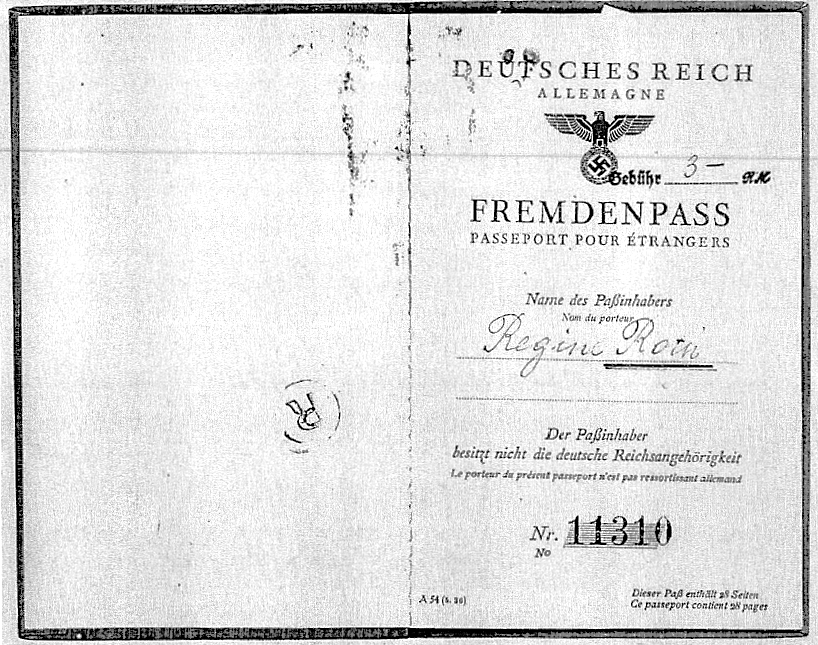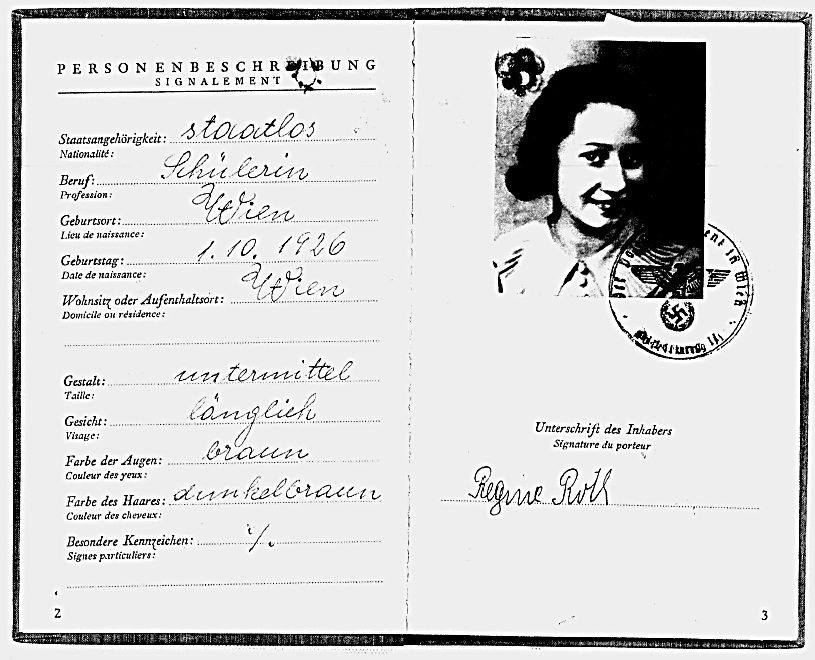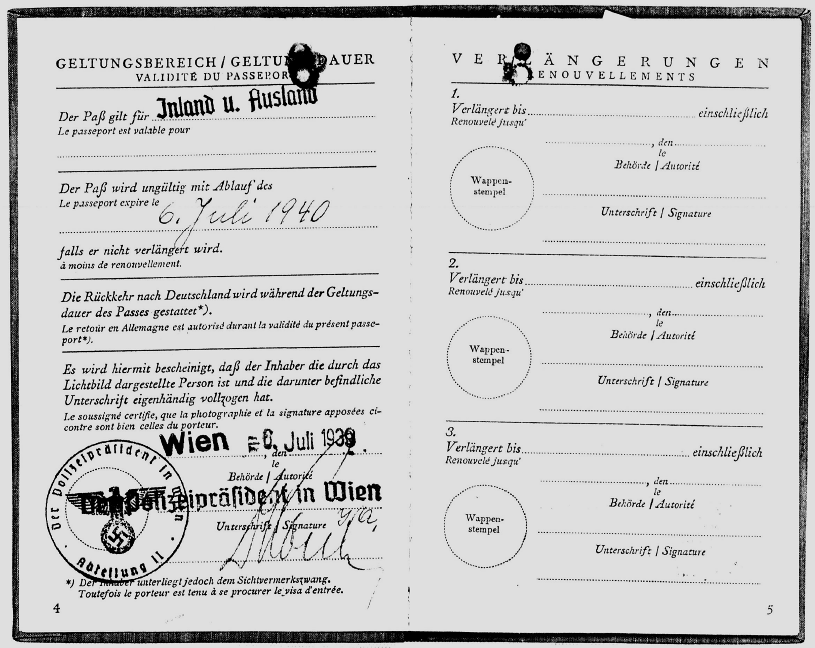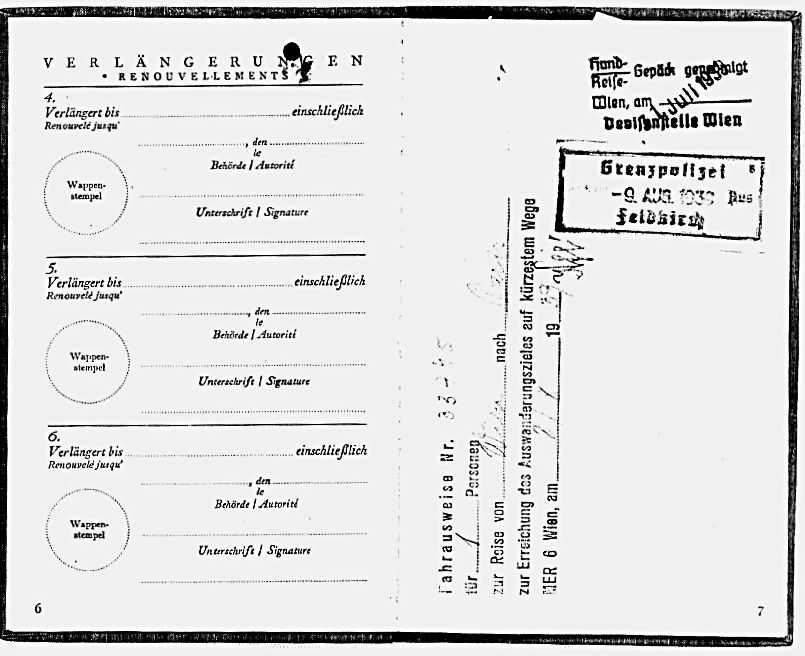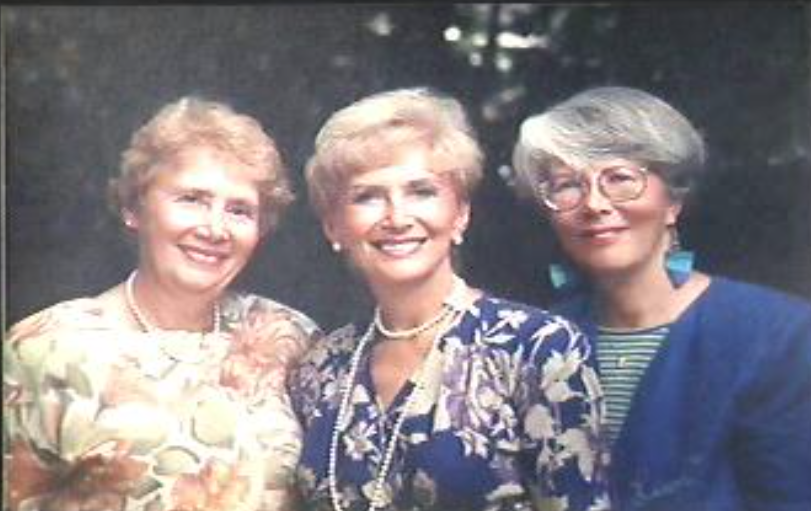
“One of the hardest things we [Regina and her two sisters] felt is when something really good happened or you got a commendation for outstanding work, there was no loving parent to share it with you.”
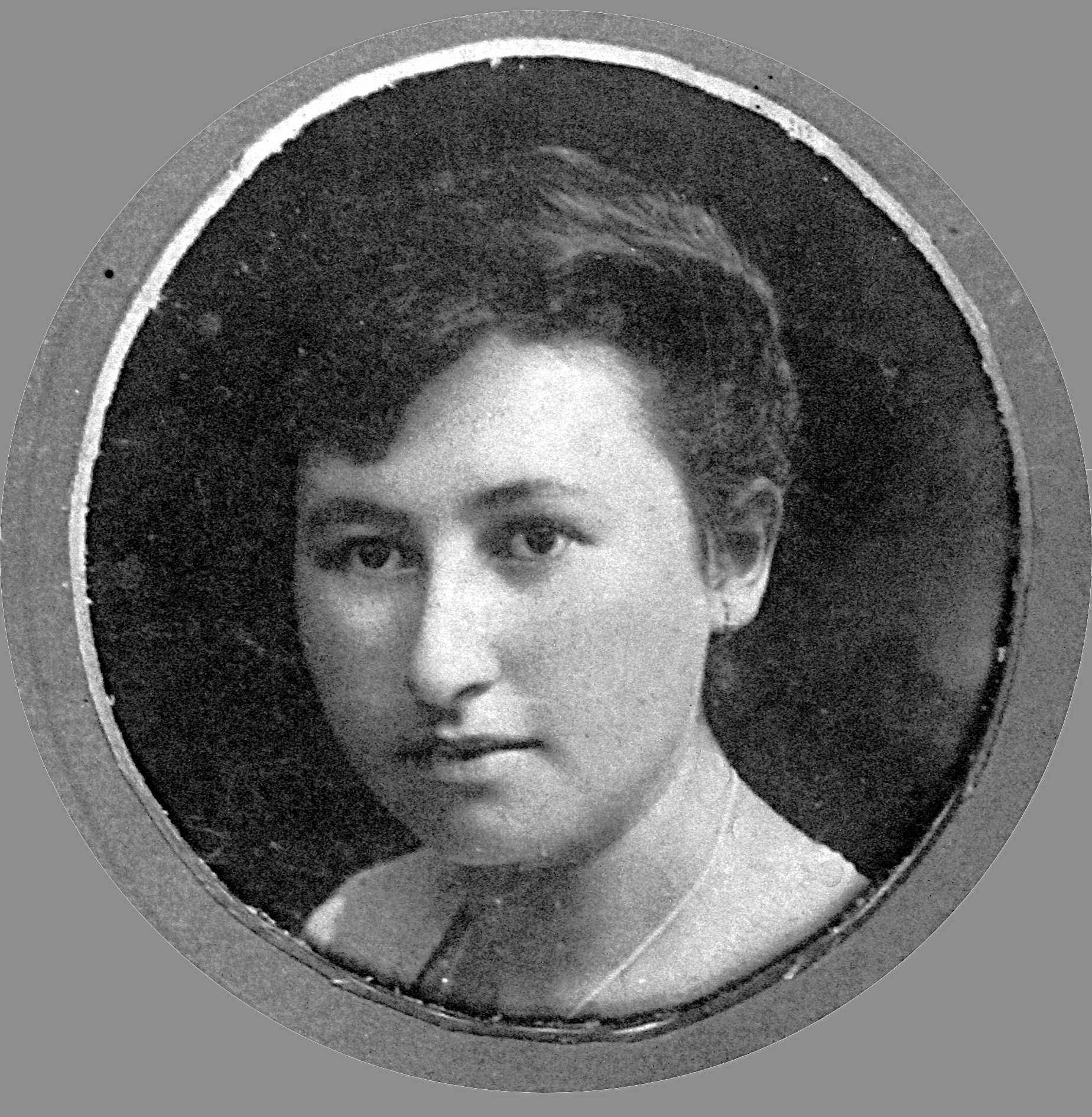
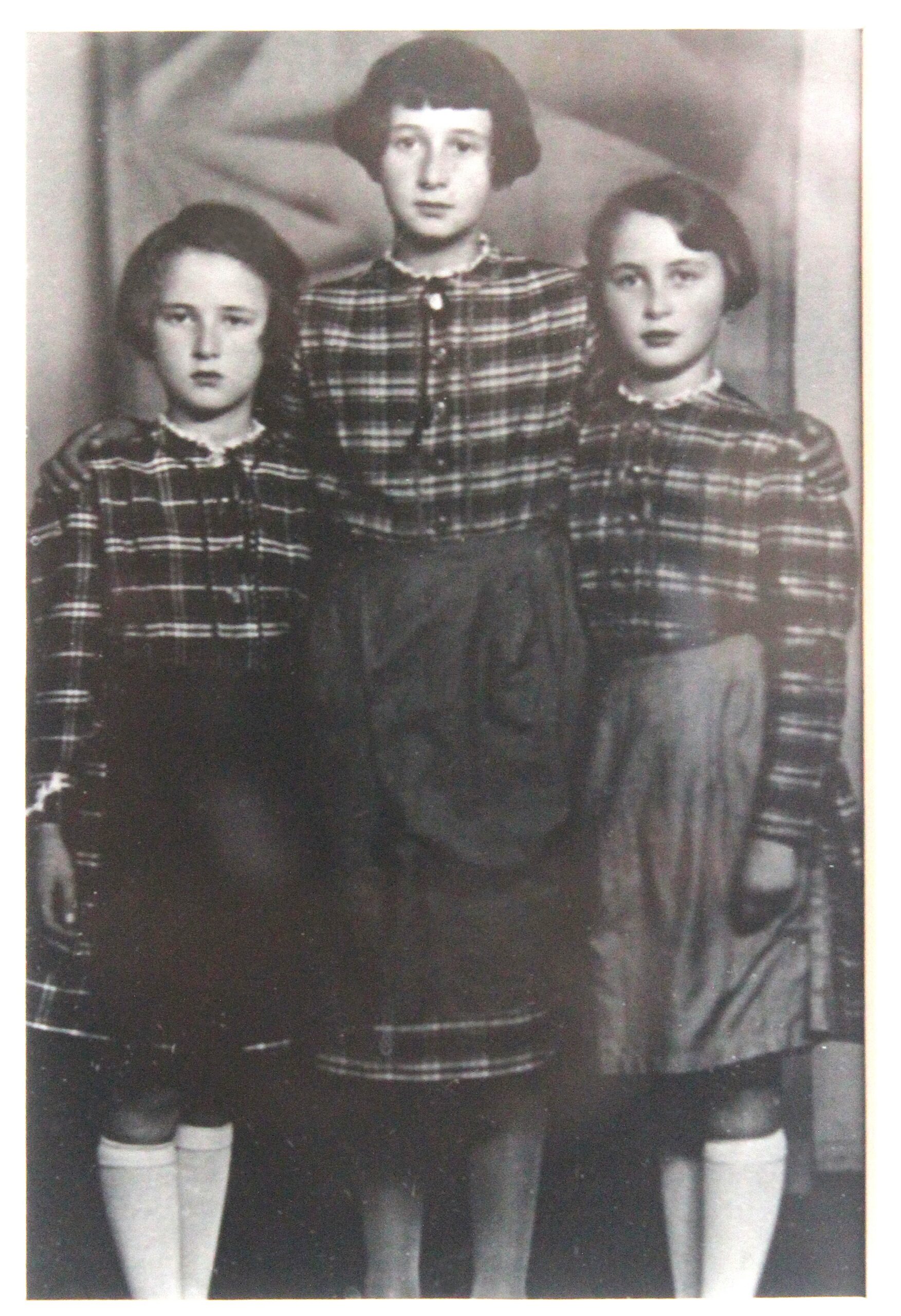
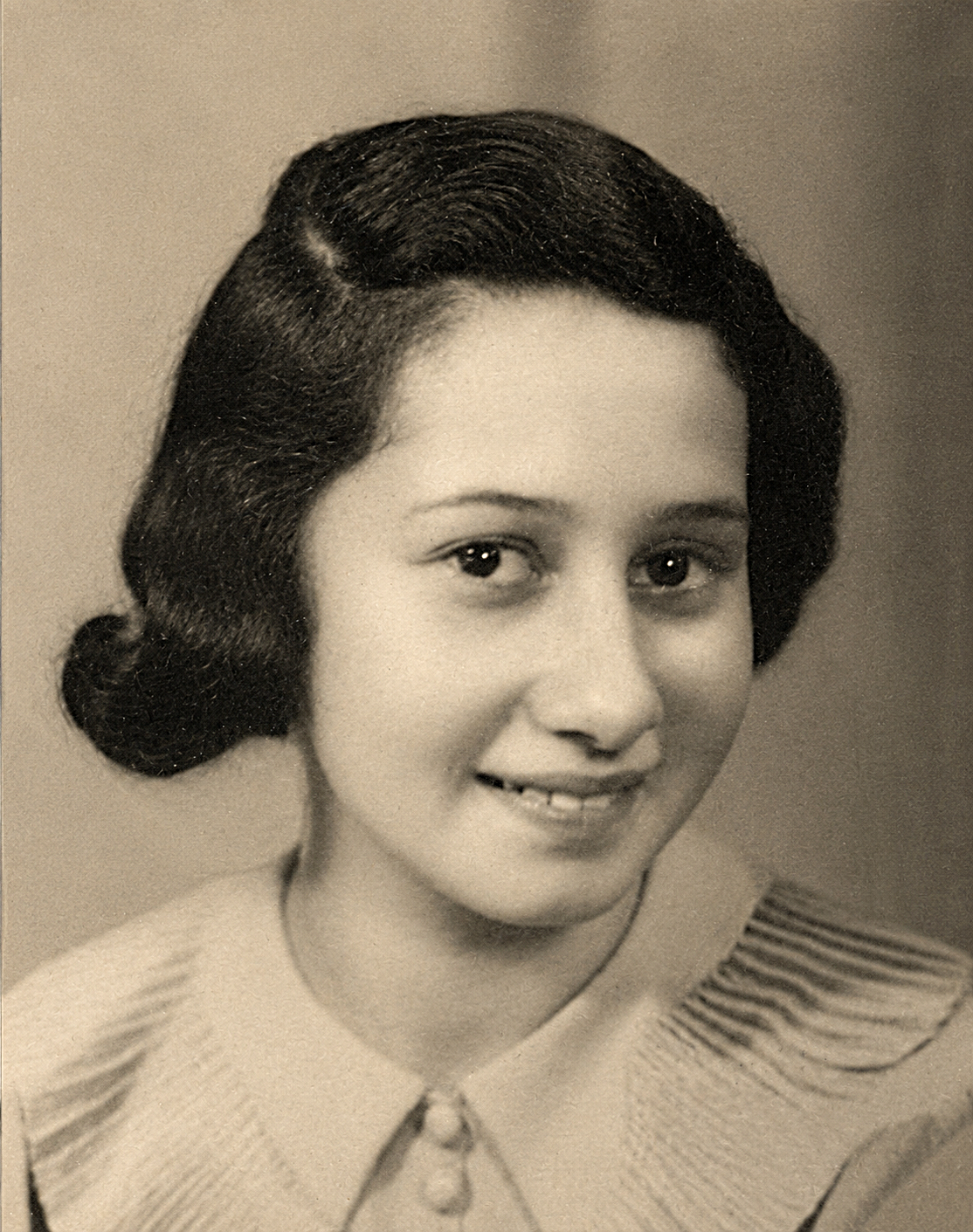
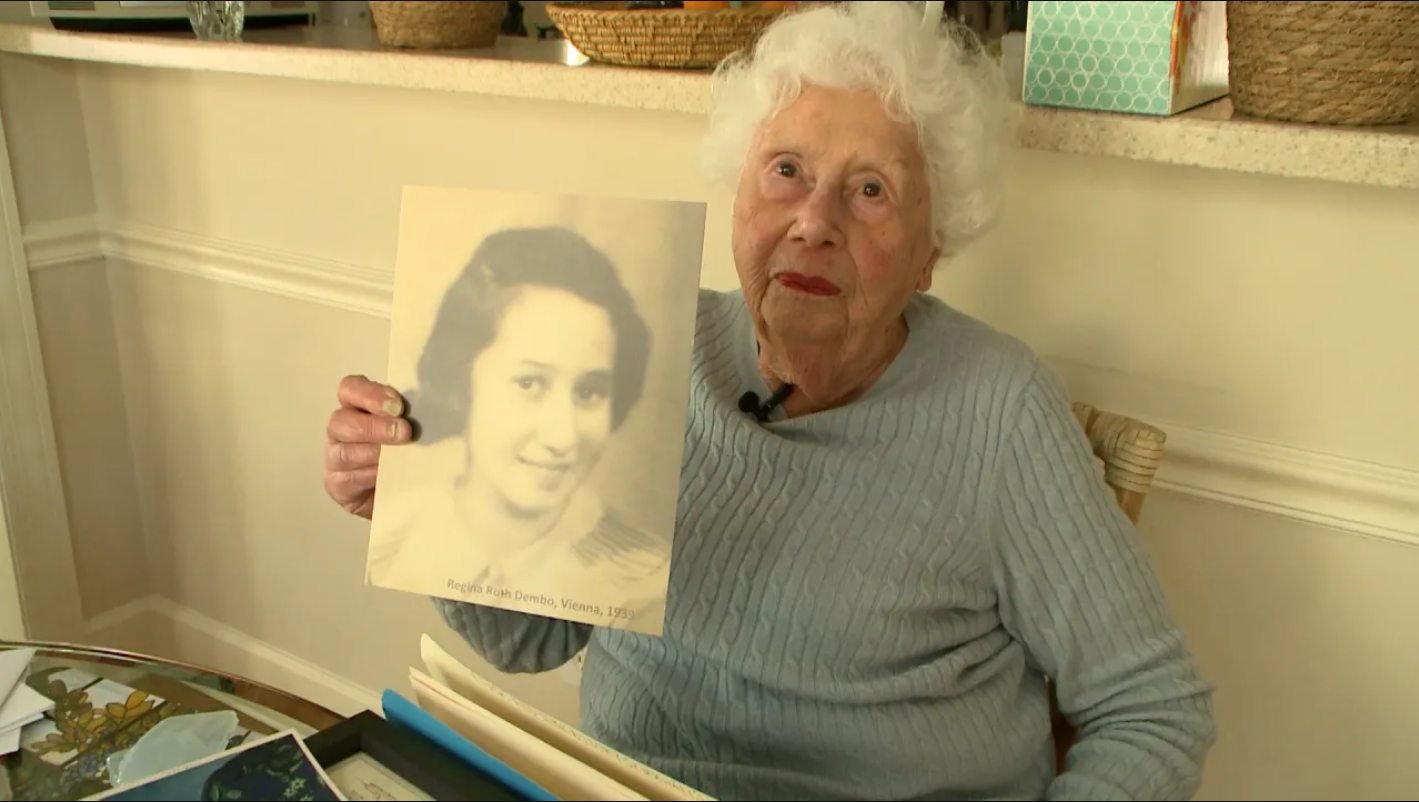
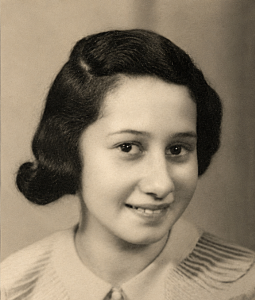
Regina Roth Dembo’s story begins with a series of losses and separations from a comfortable life and from people she loved. How does a young girl of twelve cope with her father’s disappearance at the hands of the Nazis, with her forced immigration to America while caring for two younger sisters, and with a fear that proved to be true: that she would never again see her mother and brother?
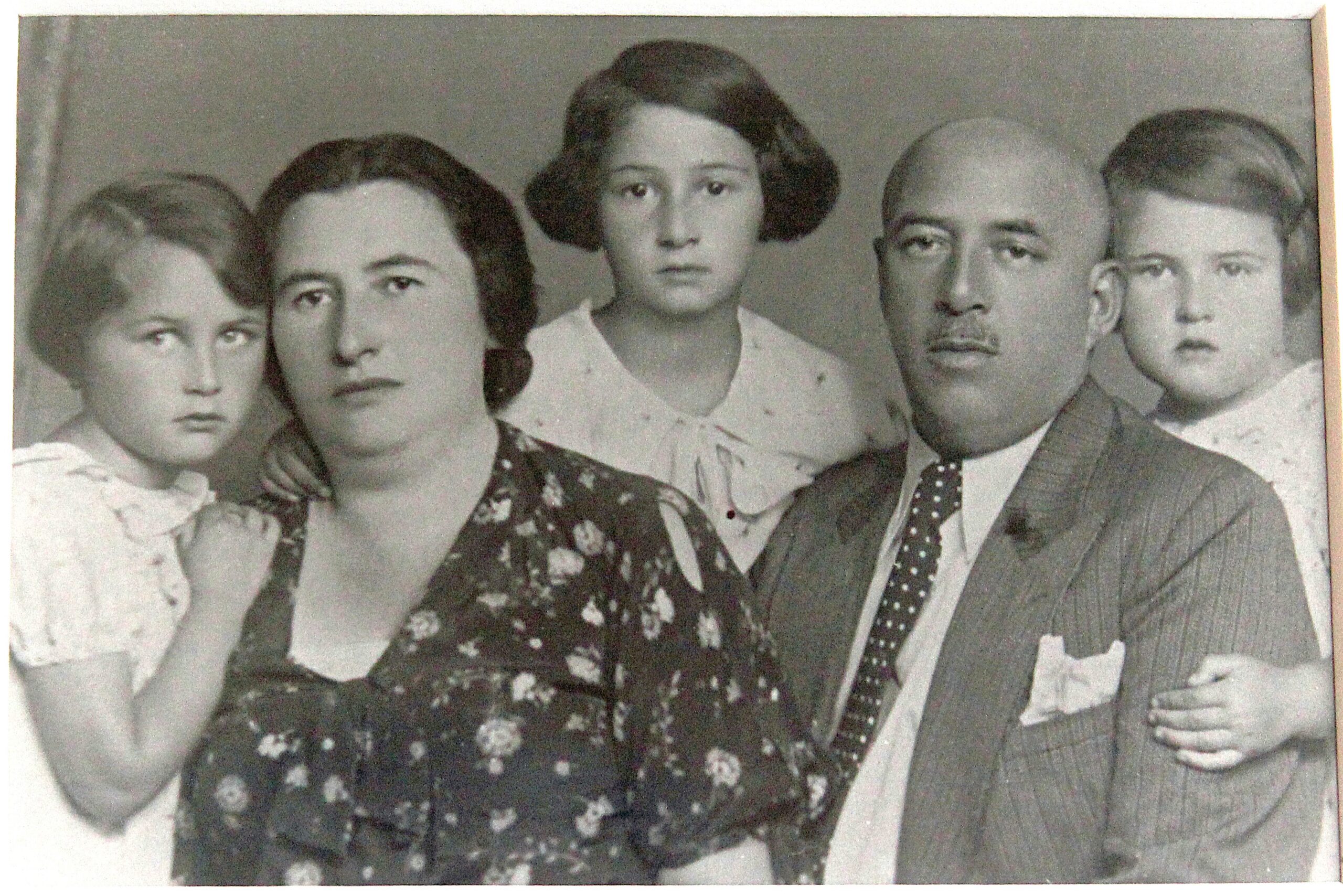
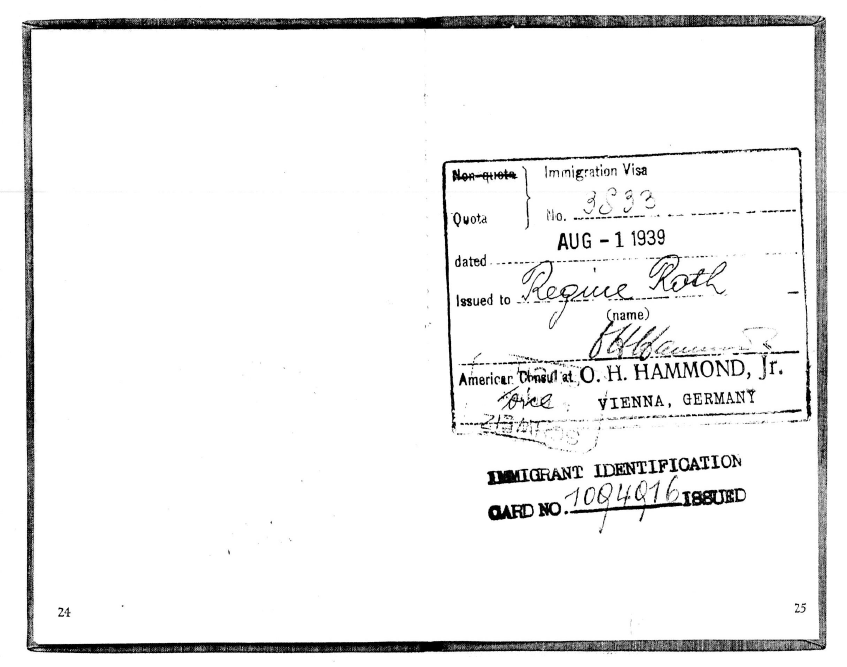
Regina began her life in Vienna, Austria. As Austrian natives, she and her siblings qualified for the Austrian quota of immigrants permitted to come to the United States. Their parents, born in Poland, were unable to procure the necessary papers to leave. Trying to access the required paperwork was tedious; the lines were interminable.
Regina’s father was arrested and forced to leave Austria. He returned to Poland, but ultimately disappeared. The Germans confiscated his business, his car, and their apartment with all of their belongings. They found their life changing rapidly from one of comfort to one of struggle for survival.
“Life changed. Doctors and lawyers were scrubbing the streets. The Nazis had a good time making the Jews miserable,” she recalls.
Just a week before the war broke out in 1939, the three girls left Austria for the United States. Years later, Regina wondered how her mother could bear to send them away – three young girls ages twelve, ten, and eight. They assumed that their mother and brother would follow them shortly – no one realized how horrendous it would become for the Jews – there had been so many pogroms, and they had survived all of those atrocities. They never imagined that their mother and four-year-old brother would be sent to a camp and gassed.
Their trip to America reflected their transition from childhood to adulthood. Not a soul helped them during their journey. They arrived in New York City not speaking a word of English. After living with an uncle for several months, they were placed in an orphanage.
“We learned English in a great big hurry, then,” she says.
Three year later, they were placed in three different foster homes. Regina expressed a desire to go to college and her foster parents encouraged her to do so.
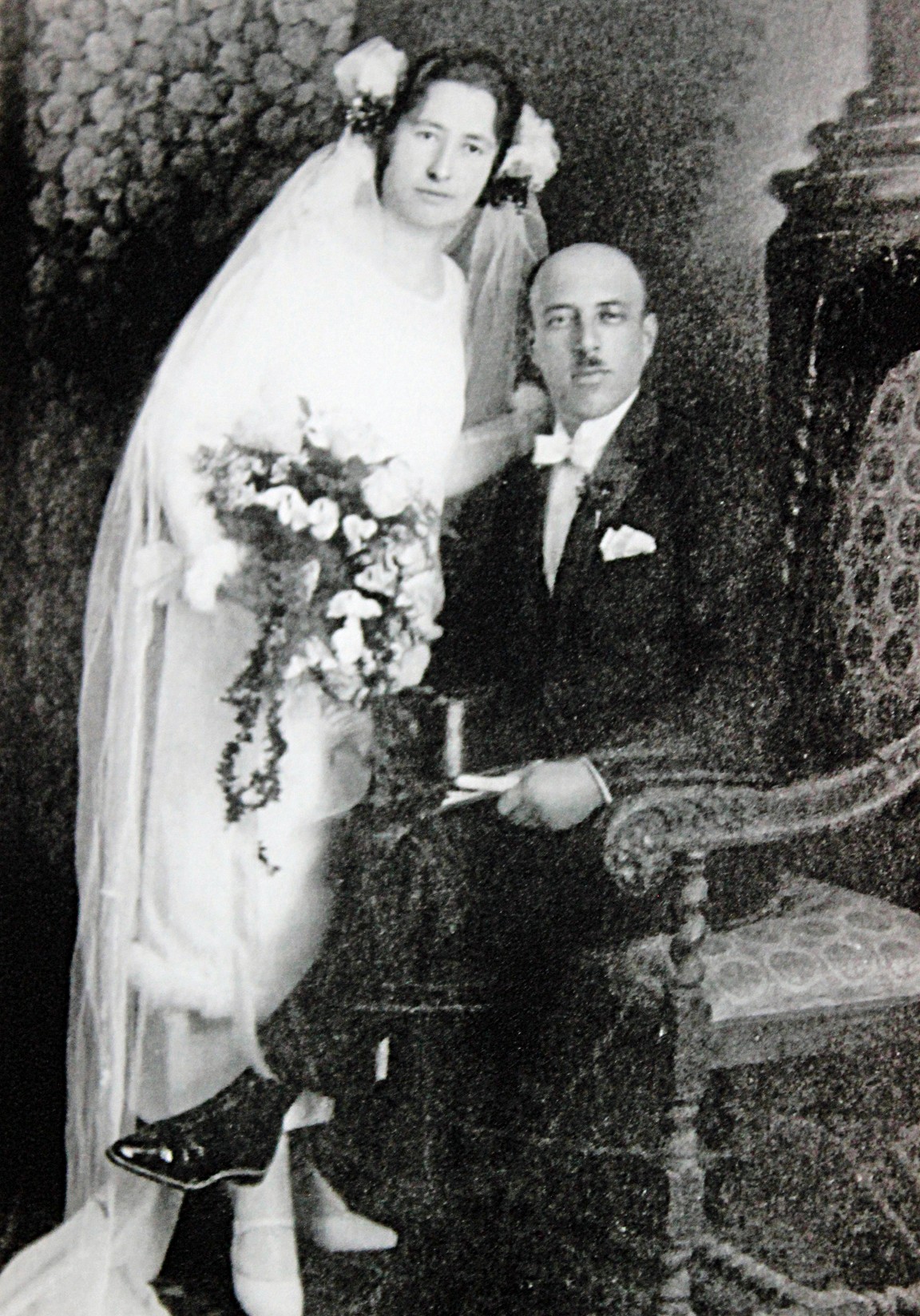
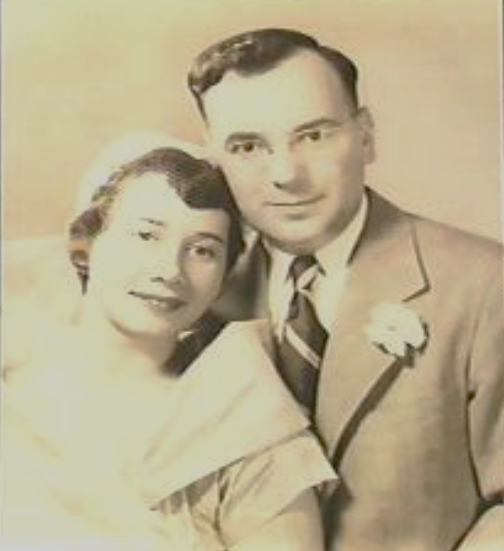
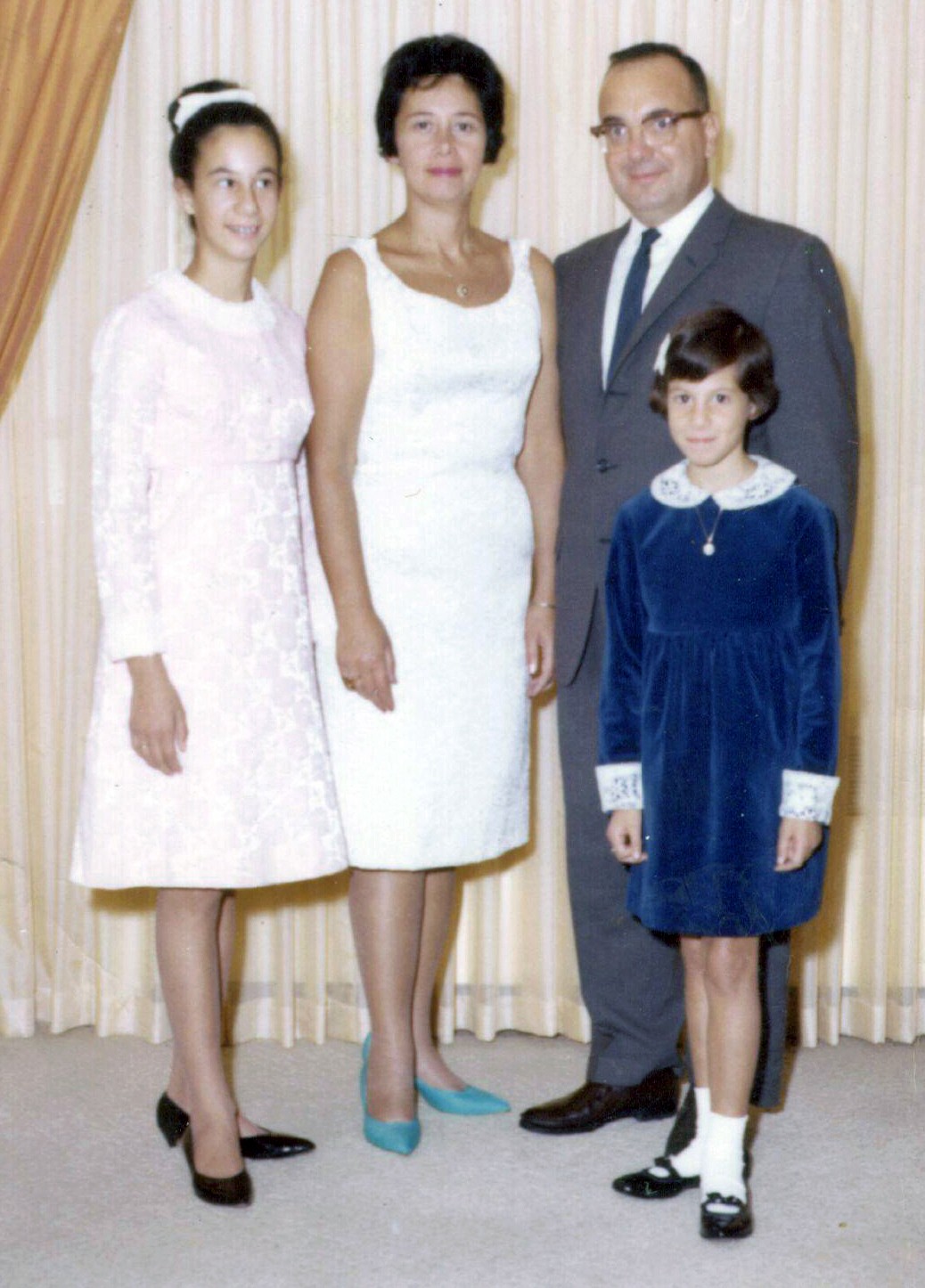
In 1951, Regina married Michael Dembo. They eventually settled in Huntsville, Alabama, where they had two children.
Regina had finally come home.
Click on any image below to enlarge and view captions.
All photos on this website are the property of the Alabama Holocaust Education Center archive. Please contact us for permission before using or sharing any images.
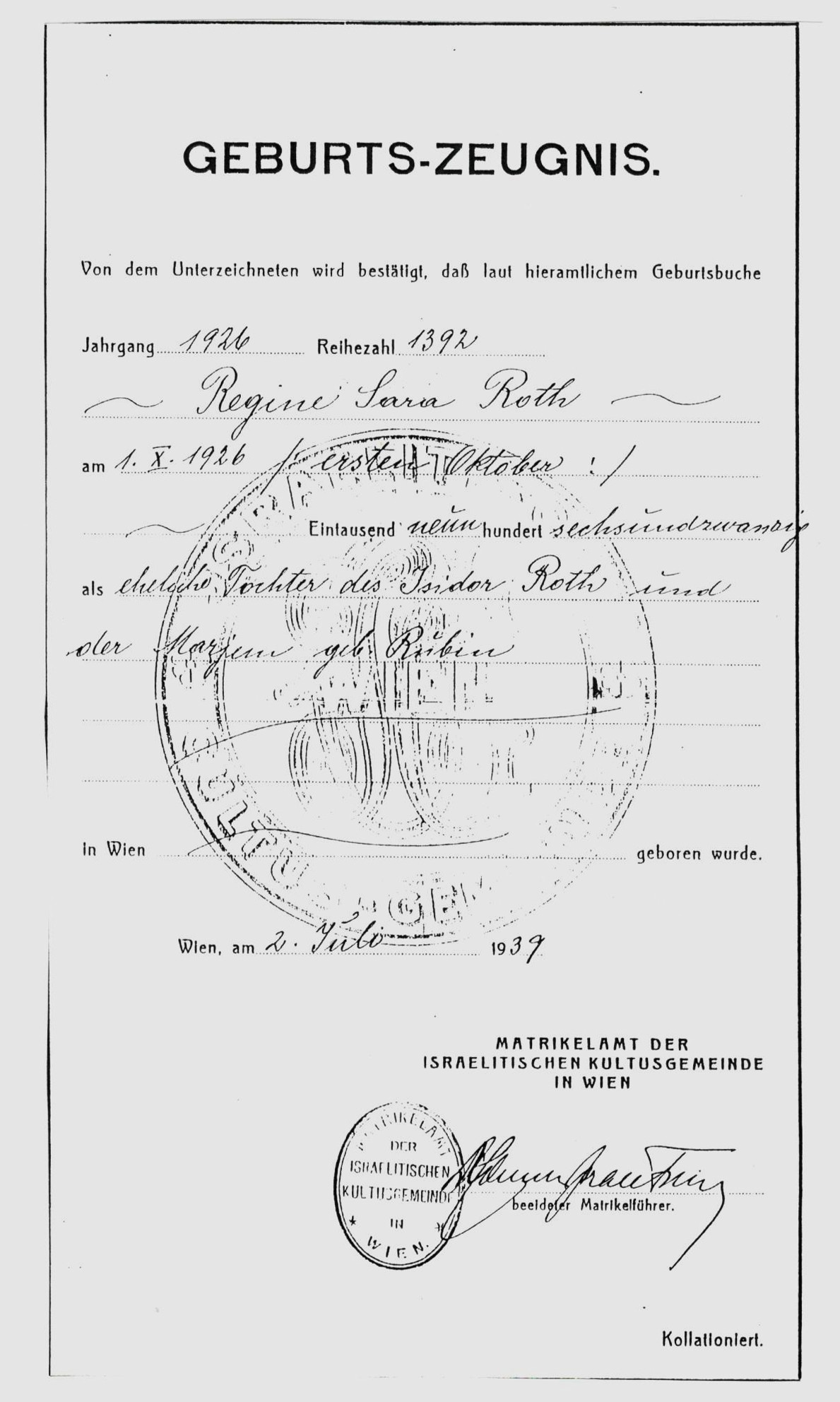
10/01/1926
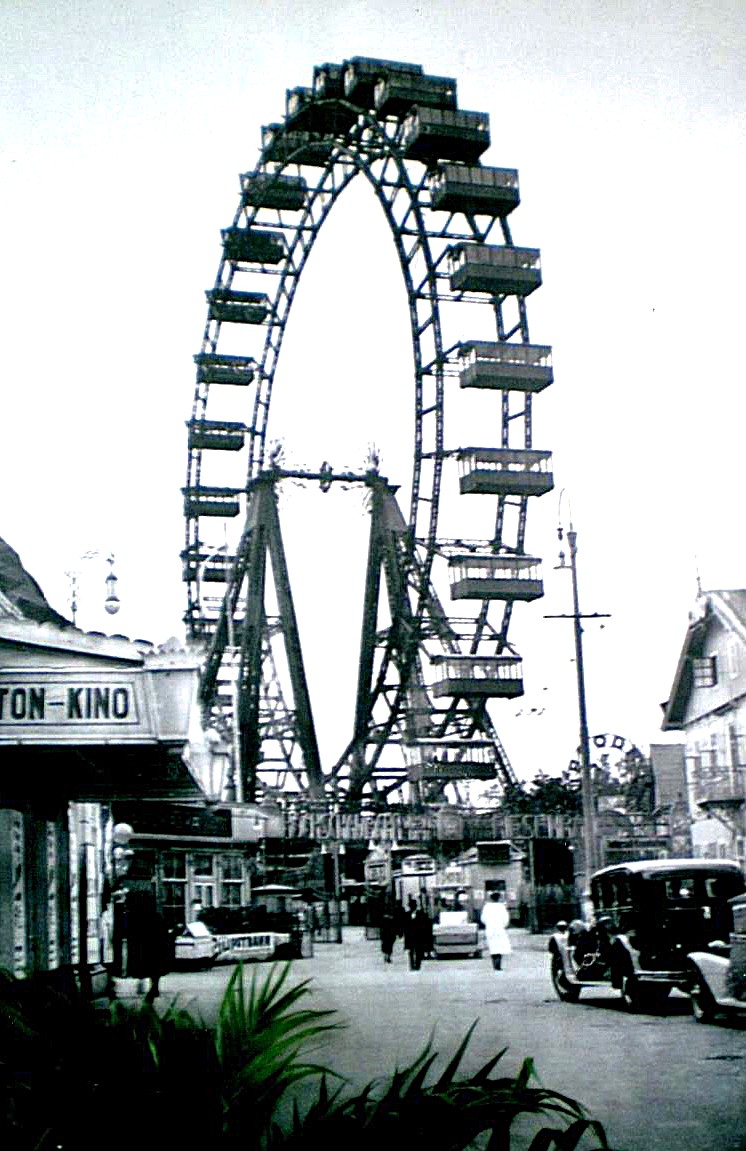
Vienna
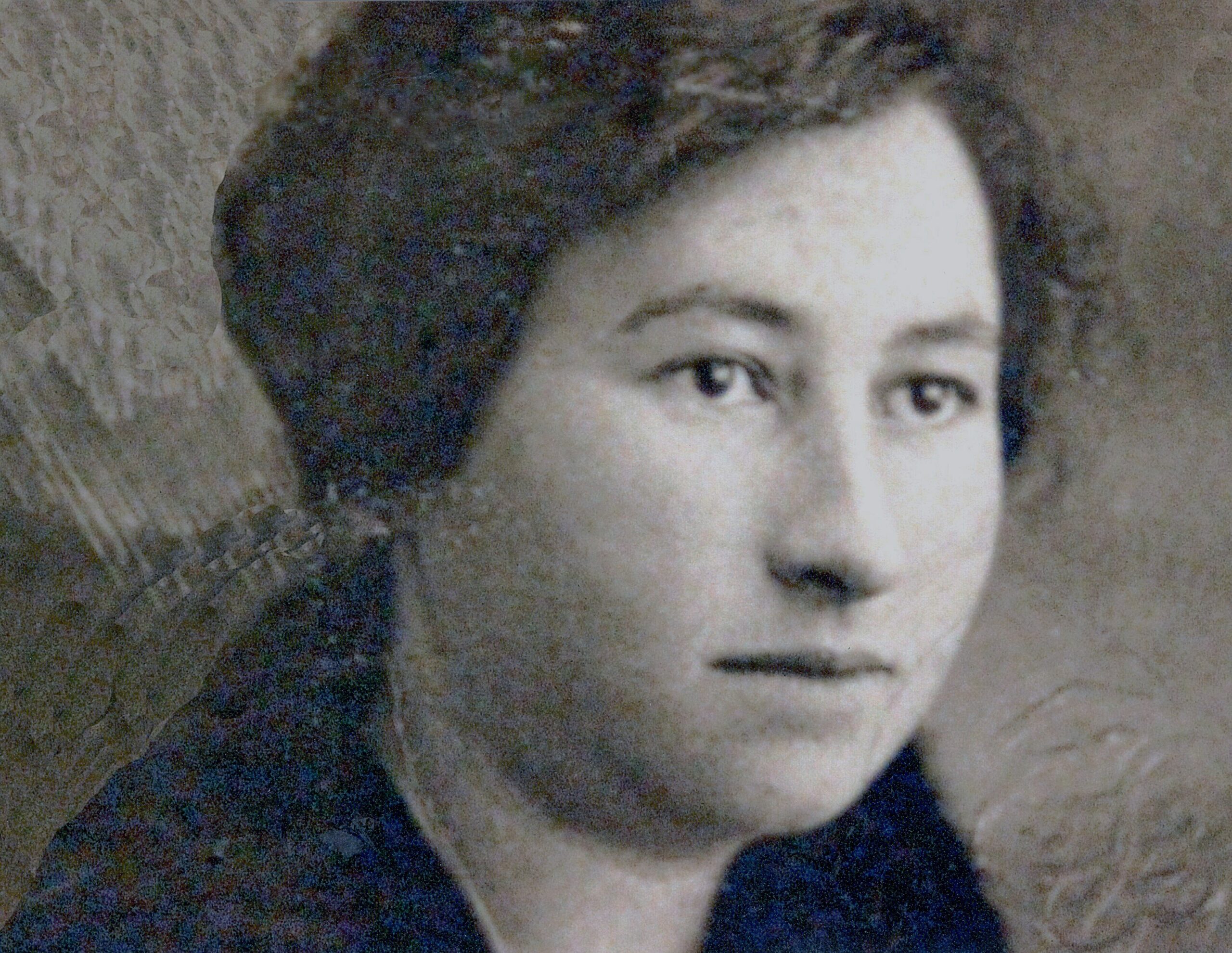
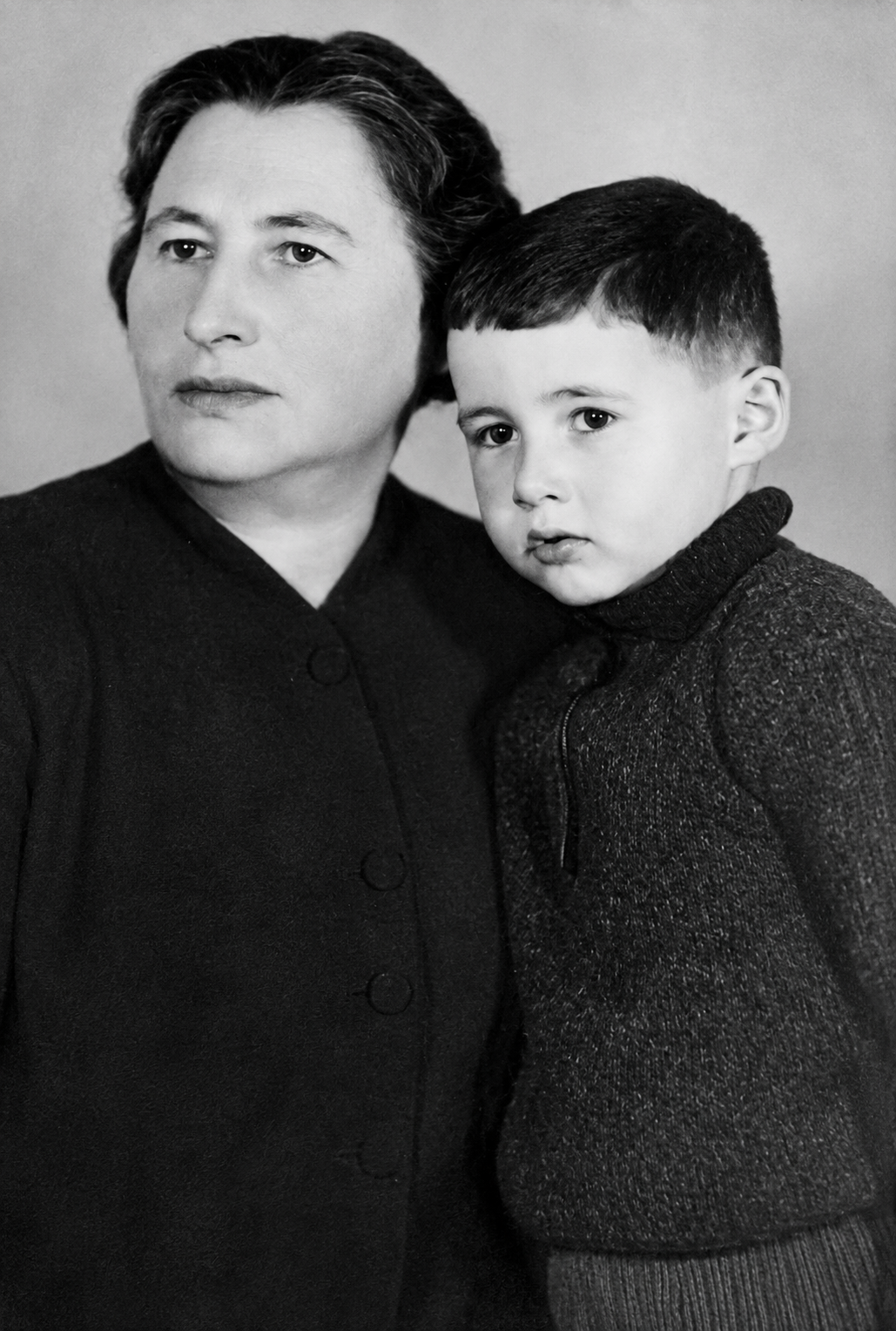
Maryam (Miriam, Marjian, Mina) Rubin
(05/19/1900 Ottynia, Poland- 1942 Sobibor)
Maryam’s brother, Emil Rubin, met the girls in Paris and put them on a train for the Channel Ferry and then London.
Deported in April 1942 to the Izbica Ghetto in Poland (a transit ghetto), then to Sobibor where he was murdered.
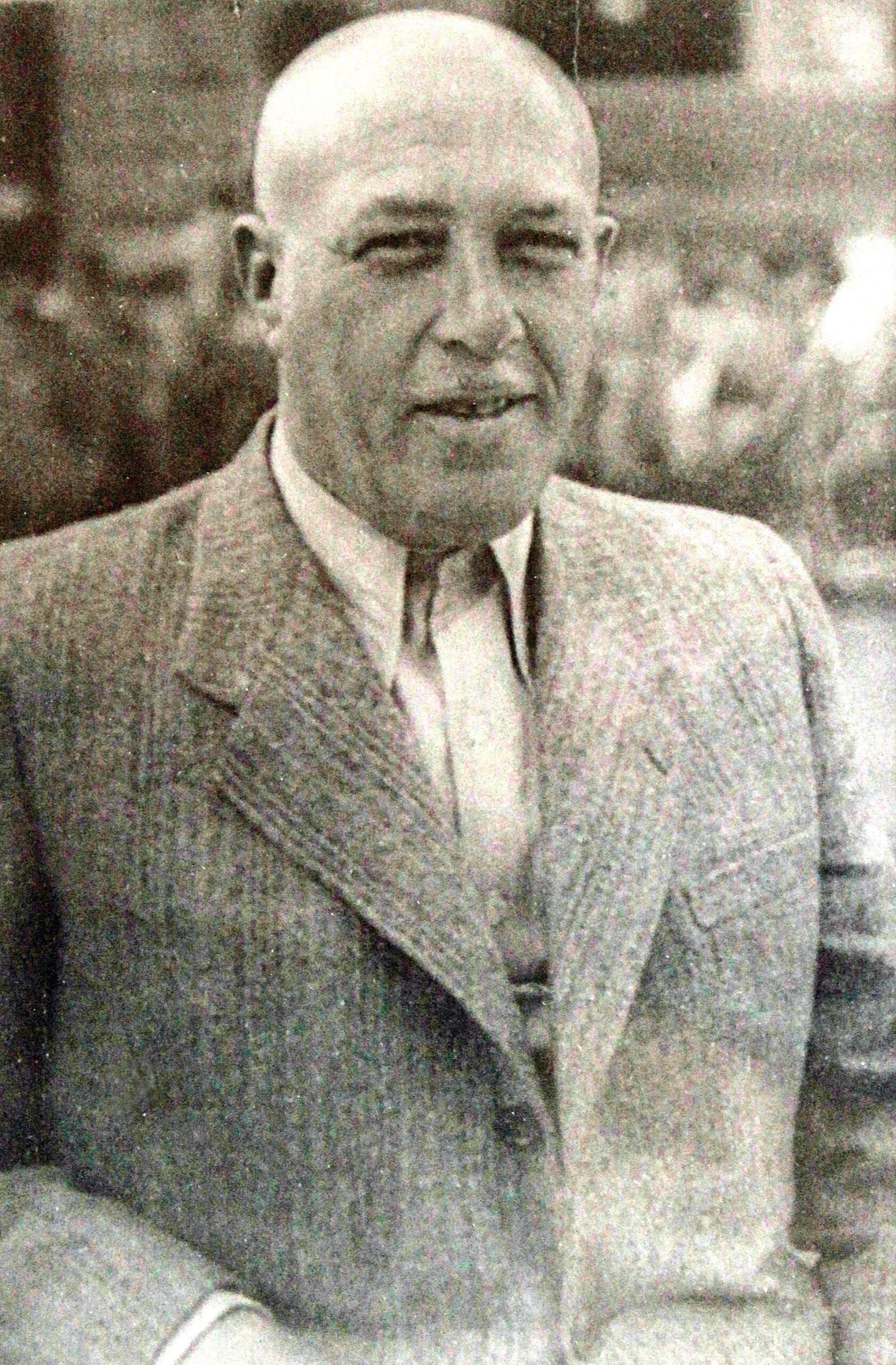
Isidore Roth
(08/15/1892 Sasów, Poland – circa 1941)
Deported from Vienna to Poland in 1939. Last correspondence was around 1940.
Herta (Hertha) Roth (Spouse: Leonard M. Walcoff)
(Born 04/23/1929 Vienna, Austria)
Susi (Susie, Suzanne) Roth (Spouse: Amos Bernstein)
(10/02/1930 Vienna, Austria – 01/26/2024 Orange County, CA)
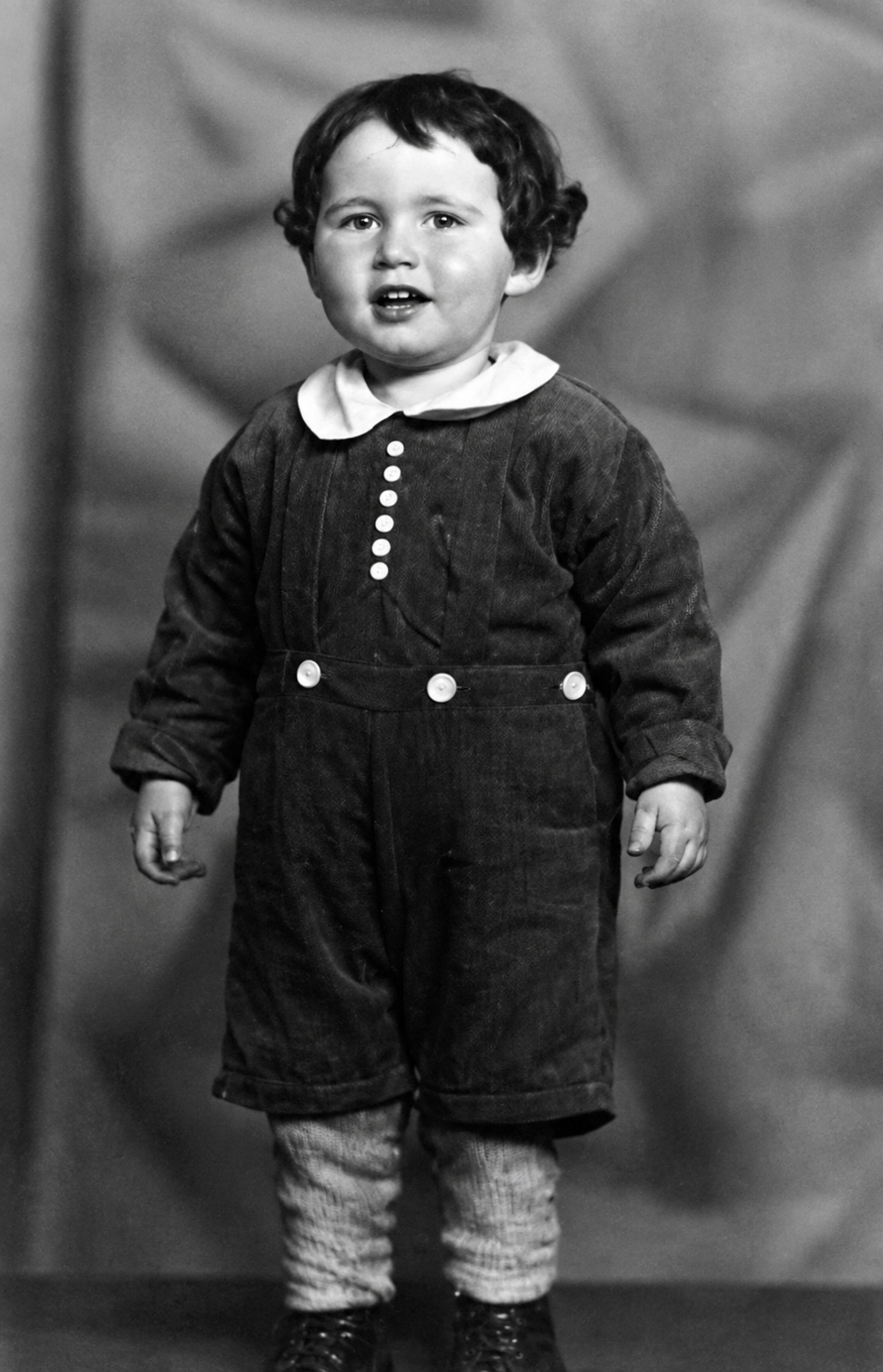
Erwin Roth
(12/03/1935 Vienna, Austria – 1942 Sobibor)
Deported April 1942 to the Izbica Ghetto in Poland (a transit ghetto), then to Sobibor where he was murdered.
Michael Meyer Dembo
(03/19/1923 – 01/04/2015)
Married May 19, 1951 in New York City
Served as combat engineer with Patton’s Third Army in Europe during WWII
Dr. Margaret Dembo (Spouse: Dr. Richard M. Gore)
(Born 1953 Boston)
Elizabeth Dembo (Spouse: Solomon “Sol” Miller)
(Born 1956 Boston)
1968 – 2026
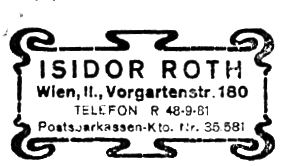
Regina’s father’s textile business of English woolens and Irish linens was “taken over” by the Nazis. All of his inventory and business property was confiscated.
Their apartment and her mother’s jewelry was also taken.
1968 – 2026
USC Shoah Foundation
Interview #24136
December 12, 1996 | Huntsville, AL
( 1:23:25)
“Pillows” by Isabelle Roth Miller (granddaughter), 2001
Winner National First Prize for Non-Fiction, 2002 White House Project Arts Competition
AHEC Darkness into Life Exhibit
Letters from Vienna
(August 1939 – October 1940)