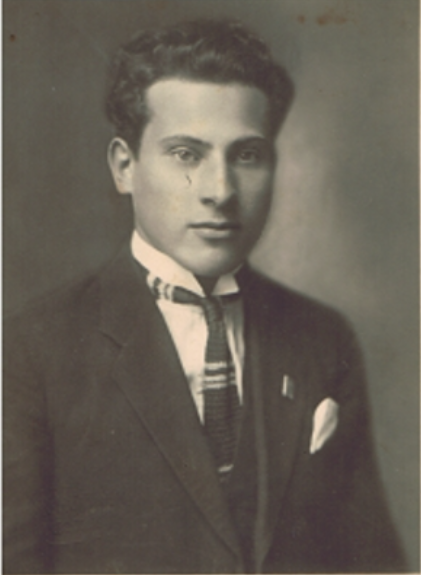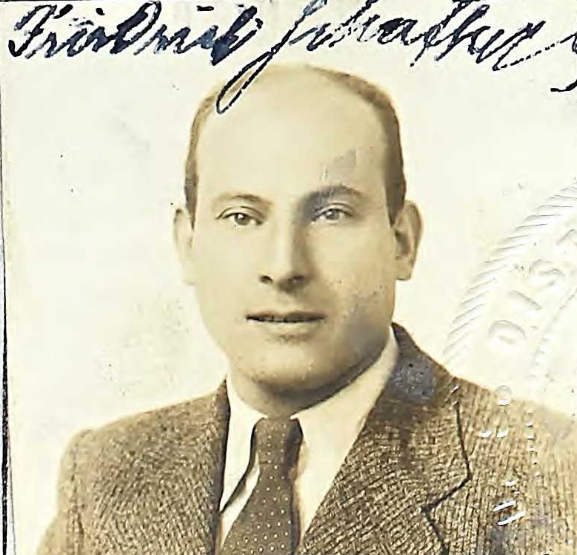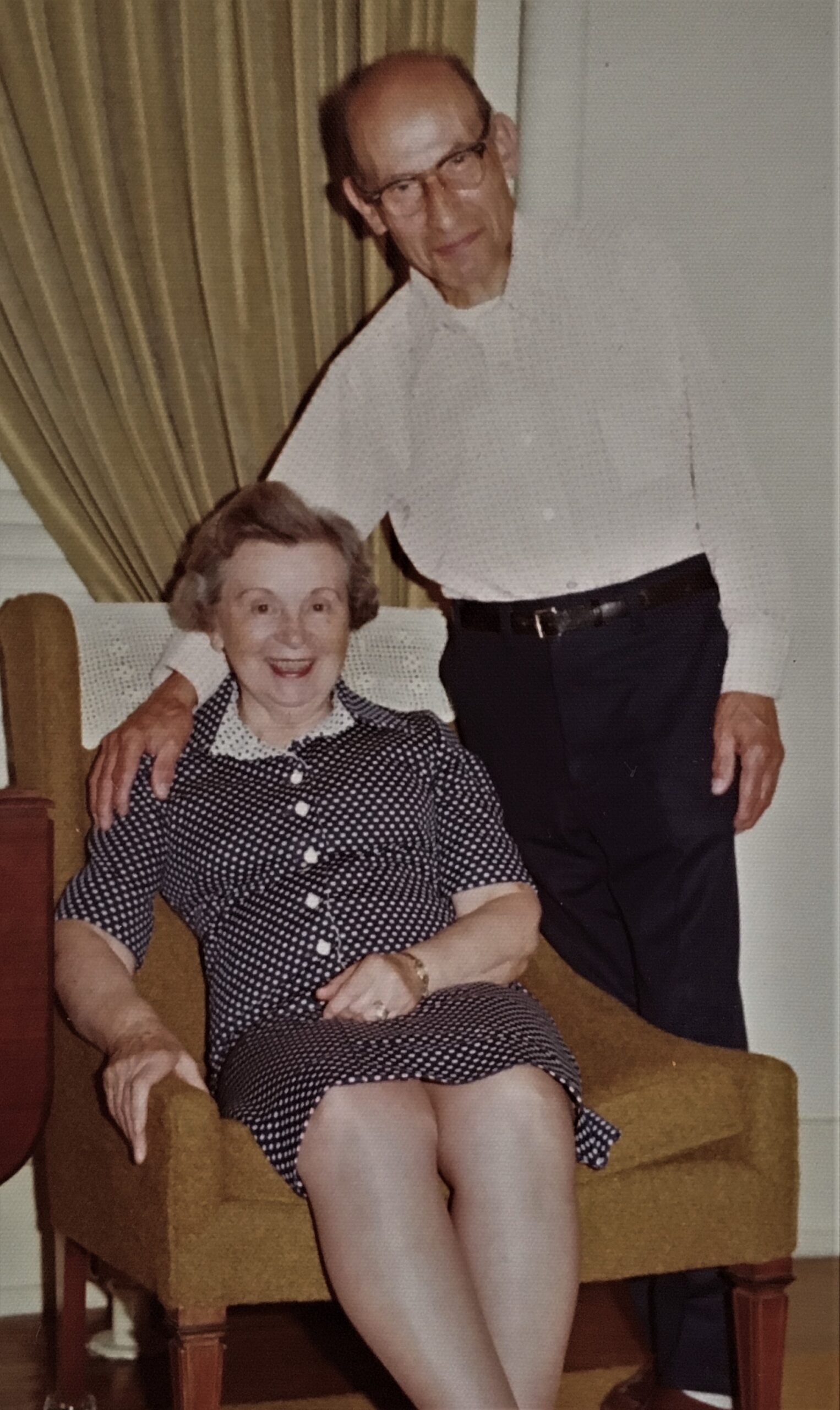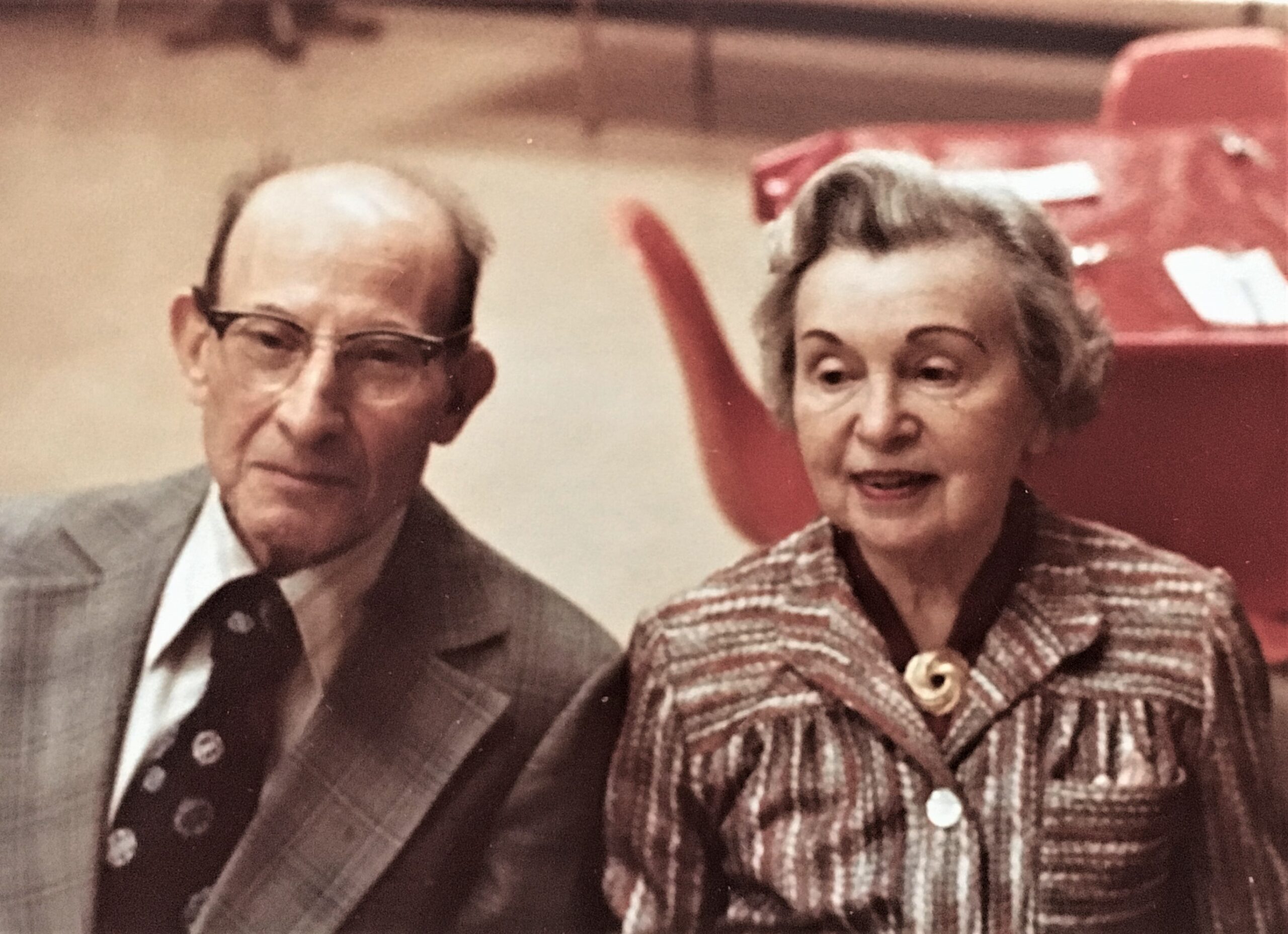
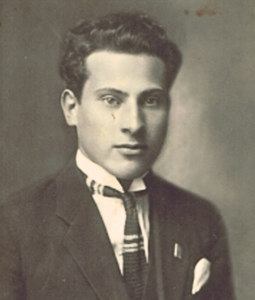
Born Friedrich “Fritz” Schattner in 1902, Philip’s early life in Rożnów, Poland was shared with six siblings and his parents, Freda and Haim. While the specifics of his youth are lost to time, his life truly began to take shape in 1932 in the vibrant city of Vienna. It was there, through mutual friends, that he met Nesche Billig. Their connection was immediate, and within eight months, they were married.
The young couple built a life of modest success, running a retail business selling paints and home furnishings. In those early days, Vienna felt like a city of endless possibilities. But the excitement of their new marriage was soon eclipsed by a gathering shadow.
When Hitler annexed Austria in March 1938, Fritz and Nesche—like many others—clung to the hope that the new regime was a passing storm. That illusion shattered in June on the holiday of Shavuos. After returning from synagogue memorial services, they found Nazi Storm Troopers standing like a wall in front of their shop, turning away customers. From that moment on, the light of Vienna went out. Fear and uncertainty became their daily companion.
Determined to save their future, Fritz applied for a visa to the United States, hoping to join his sister, Rosa, in New York. But before the plan could take root, Kristallnacht struck. In a single night of orchestrated violence, their business was plundered. The savings they had painstakingly tucked away for their passage to New York were stolen. Fritz was dragged from the store and sent to the concentration camp of Dachau.
It is unclear how, but Fritz was released provided that he reported daily to the police. Nesche would later describe this period of waiting as “a bad dream” from which they could not wake.
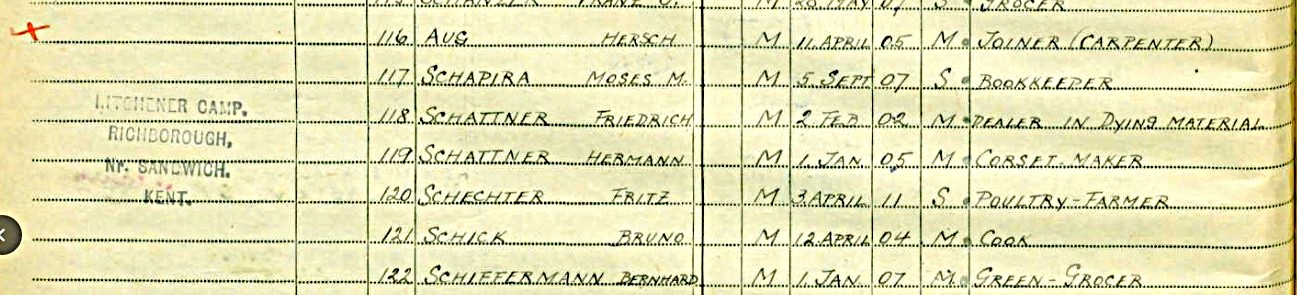
As the situation for Jewish men in Germany and Austria became desperate, a lifeline appeared from the UK. While women could migrate as domestic workers, men were largely barred—until the establishment of the Kitchener Camp in Kent in January 1939. The men selected would be healthy, 17-45 years of age, have a useful trade, and be able to demonstrate onward travel arrangements such that they could leave the UK within a year. The refugees would do the work of the National Service, and the financial and logistical details would be the responsibility of the Central British Fund (now known as World Jewish Relief).
In March 1939, the news arrived: Fritz had been selected. Nesche was able to join him a few months later with a domestic visa offered by the Jewish Committee. She lived and worked for a Jewish family in London.
A year later, Nesche and Philip finally crossed the Atlantic to New York. But the transition was grueling. Philip struggled to find his footing in the city, leading Nesche to reach out to an uncle, Jacob Shiland, in Birmingham, Alabama.
In Birmingham, their “bad dream” finally ended. The Shilands offered Philip a job at the Star Super Market; Nesche was hired as a floorwalker. Though they were finally safe, life remained a struggle of sacrifice. Despite having little, they sent what they could to support Nesche’s niece and nephew, Rita and Ernst Billig, who were still living as refugees in the UK.
When the war ended, the Schattners refused to leave their family behind. With the help of local attorney Abe Berkowitz, they brought the children to Birmingham. Their father reunited with them in Birmingham in 1947, but stayed only briefly before moving on to New York. Rita, who never felt quite at home in Birmingham, soon joined him. The Schattners legally adopted Ernst, giving him the stability and legal standing to attend public school and build a future.
The horrors of Dachau never truly left Philip. He remained a fragile, nervous man, battling the “daily ghosts” of his trauma. Yet, his heart remained open. He became a devoted father figure to Ernst, famously giving the boy a 25-cent weekly allowance and taking him to the Dixie World Series at Rickwood Field.
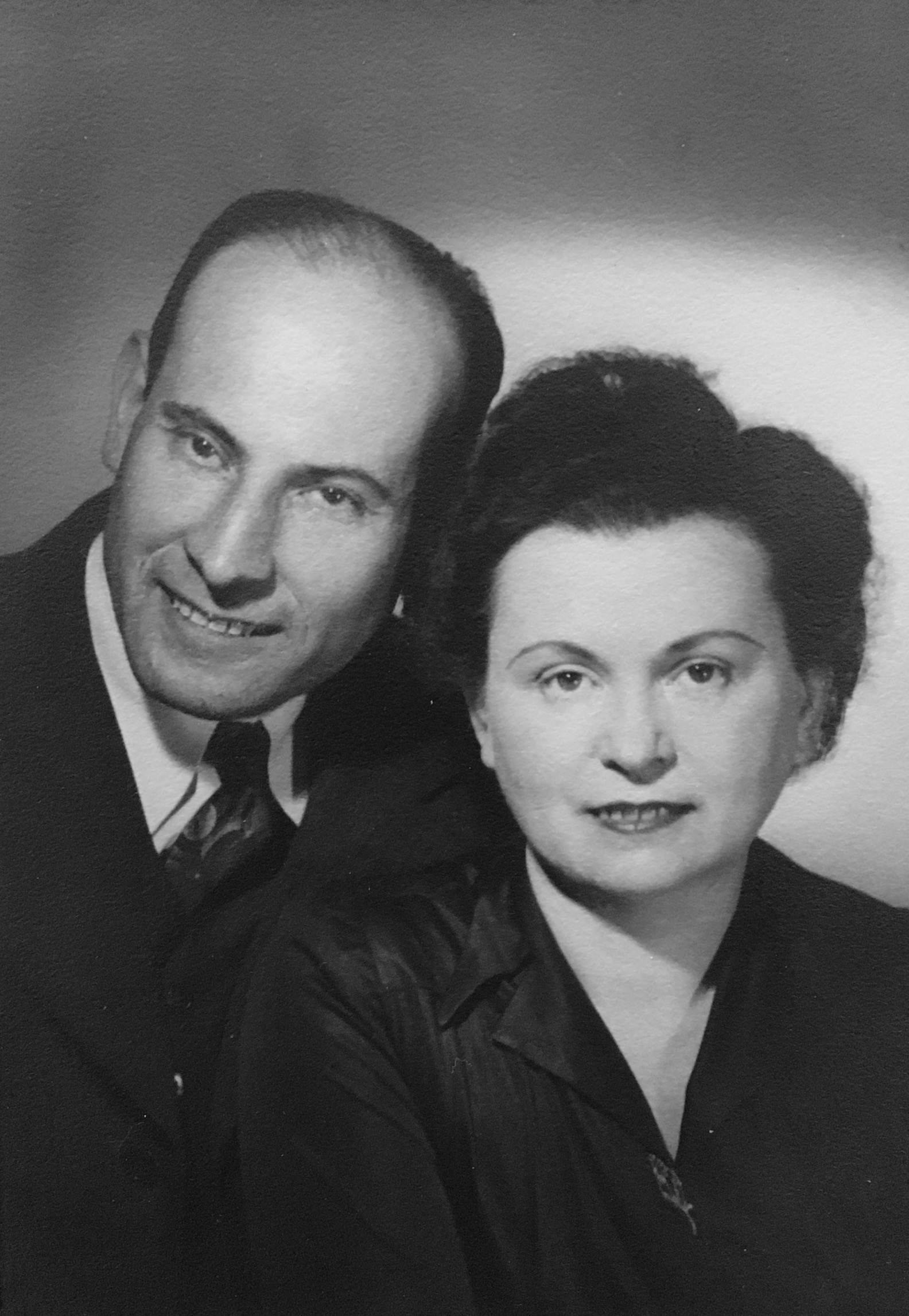
Philip Schattner passed away on February 4, 1993, two years after his beloved Nesche. Though they never had biological children, their legacy lives through the niece and nephew they saved. They will be remembered not for the darkness they escaped, but for the selfless light they provided to their family.
Click on any image below to enlarge and view captions.
All photos on this website are the property of the Alabama Holocaust Education Center archive. Please contact us for permission before using or sharing any images.
02/02/1902
Rożnów
Fradel (Frieda) Schattner
Chaim Schattner
Rosa Schattner (Spouse: Alfred Rosenberg)
(1891 – 1970 Brooklyn, NY)
Mordechai Moritz Schattner (Spouse: Zipora Hecht)
(1892 – 1970 Haifa, Israel)
Toni Schattner (Spouse: Haim Walter)
(1894 – 1941 Holocaust)
Hilda Hinda Schattner (Spouse: Shaya)
(1896 – 1942 Belarus/Holocaust)
Herman Schattner (Spouse: Lia Silbermann)
(1905 – 1982 New York, NY)
Arie Schattner (Bluma)
(circa 1912 -circa 1996 Ramat Gan, Israel)
Niesia (Nesche) Billig
(07/15/1901 Brody, Poland – 11/15/1991 Birmingham, AL)
Married February 26, 1933 in Vienna, Austria
Adopted Nephew:
Ernst Billig (Spouse: Dr. Nancy Laura Slifkin Scher)
(Born 03/30/1935 Vienna, Austria)
1940-1993
Dachau
(11/16/1938 – 01/17/1939)
Inmate #28889
Immigrated to the UK / Interned at the Kitchener Camp
(July 1939 – April 1, 1940)
Sponsored by the Shiland family of Birmingham, relatives of Philip’s wife, Nesche
After the war, sponsored the US immigration of Nesche’s brother’s children, Ernst Billig and Rita Billig
1940-1993